


In a significant move toward modernizing international development finance, the World Bank has initiated the deployment of its innovative “Funds Chains” system. This groundbreaking platform leverages blockchain technology to fundamentally enhance the transparency, accountability, and operational efficiency of development project fund management worldwide.
Marking a major shift from traditional methods to digital tracking of donor-funded interventions. As of 19th of November 2025, the global institution is commencing this ambitious implementation with a pilot phase involving six projects.
In direct response to this global transition, the Office of the Accountant General of the Federation (OAGF) in Nigeria has proactively instituted a comprehensive series of management reforms. These reforms are specifically designed to improve the financial governance of all World Bank–funded projects throughout the country.
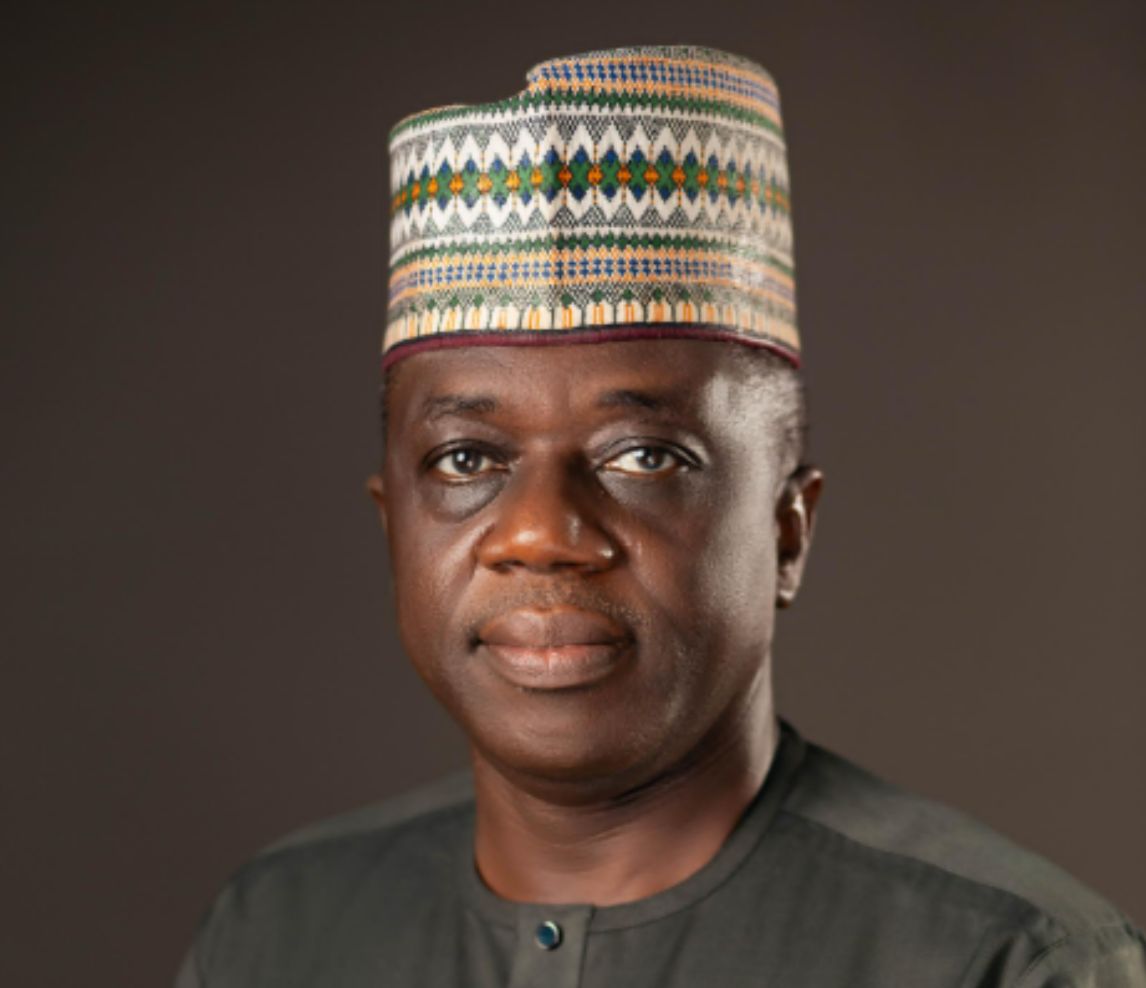
The Accountant General of the Federation (AGF), Dr. Shamseldeen Babatunde Ogunjimi, formally announced these strategic initiatives in Abuja during a pivotal financial workshop. The event, which convened Accountants-General, Heads of Project Financial Management Units (PFMUs), and Coordinators of World Bank–funded projects, was held at the Treasury House in Garki, according to a statement released by Mr. Bawa Mokwa, the Director of Press in the OAGF.
Dr. Ogunjimi emphasized that the workshop’s primary objective was to deliberate on concrete strategies for strengthening accountability frameworks within donor-funded projects. He articulated that transparency and accountability are not merely procedural requirements but are the foundational pillars upon which public trust is built, resources are effectively utilized, and project development objectives are ultimately achieved.
As a cornerstone of the new reform agenda, the AGF announced the development of a comprehensive Financial Management Manual (FMM). This document is intended to provide unambiguous guidance for executing financial transactions under various project arrangements and is expected to serve as the principal reference for all project teams. He strongly encouraged all project coordinators, accountants, and PFMUs to fully adopt the Financial Management Manual (FMM) to minimize financial infractions, improve overall project performance, and sustain a favourable rating with the World Bank.
Further detailing the reforms, Dr. Ogunjimi revealed a critical agreement reached with the World Bank that prevents the removal of Project Financial Management staff within six months of a project’s official closure date. This policy is a strategic measure to prevent the recurring issues of lapsed loans and undocumented advances, which often arise from abrupt personnel turnover. To further ensure continuity and knowledge transfer, he mandated that any new project officer must work alongside the outgoing officer for a minimum of three months to prevent disruptive project stoppages.
Also see: Rivers State Revokes Land Titles in Ikwerre LGA
The Accountant General reported that these collaborative efforts with the World Bank have already yielded substantial results. Notably, outstanding lapsed loans have been reduced by a remarkable 61 per cent, from USD 18 million to USD 7 million, while undocumented advances have seen a 15 per cent decline. He stressed the ongoing nature of this effort, confirming that projects will continue to receive communications regarding these outstanding issues and urging all responsible units to prioritize documentation, loan refunds, and strict adherence to World Bank agreement terms.
In his concluding remarks, Dr. Ogunjimi underscored the necessity for stronger cooperation and alignment with global best practices. He called on all accountants and project managers to remain steadfast in their commitment to strengthening internal systems, ensuring that project outcomes reflect the Renewed Hope Agenda of President Bola Ahmed Tinubu’s administration.
He affirmed that collaboration, transparency, and accountability must remain the driving principles of project management in Nigeria. The synergistic adoption of the World Bank’s new blockchain-based Funds Chains system, combined with the OAGF’s robust domestic reforms, positions Nigeria to more effectively manage donor resources and significantly improve development outcomes across the nation.
