


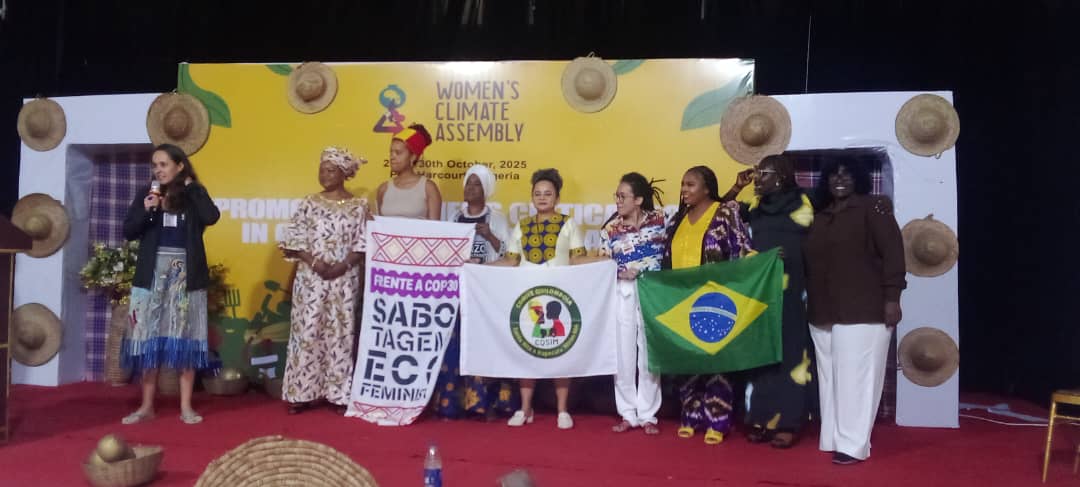
Women in Rivers State and across Nigeria have been called upon to move their advocacy on climate change beyond conversations and take active roles in influencing policies, community structures, and global environmental decisions.
This call was made during the 2025 African Women Climate Assembly held in Port Harcourt on October 28, 2025. The event, organised by Kebetkache Women Development and Resource Centre, had the theme “Promoting Women’s Critical Role in Climate Change Mitigation Initiatives.”
The event, which brought together representatives from government agencies, civil society organisations, academia, and women-led groups, highlighted the need to integrate gender perspectives into climate policies and action plans.
In her address, Emem Okon, Executive Director of Kebetkache, urged women to amplify their voices in policy spaces and share community-driven climate solutions with the global audience. She explained that while major global conferences often ignore the realities of local communities, African women continue to bear the brunt of pollution, flooding, gas flaring, and environmental degradation caused by powerful corporations and industrialised nations.
Okon said the Port Harcourt assembly was convened after plans to hold the regional African Women Climate Assembly in the Congo Basin were shelved due to security concerns. She added that the gathering serves as a platform for women to build solidarity, share experiences, and advocate for inclusive climate policies.
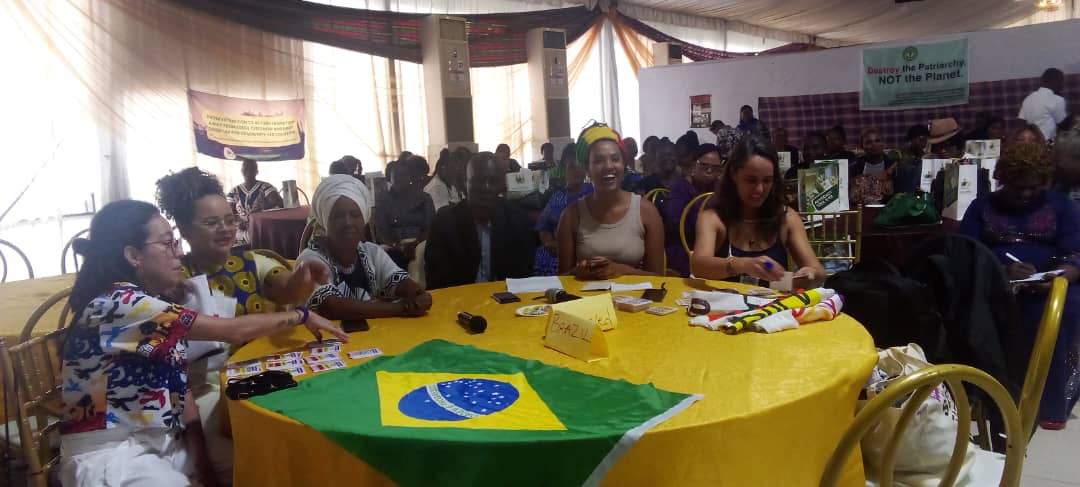
According to her, women have been identified as key players in driving effective climate change mitigation strategies across communities, with experts and advocates calling for stronger inclusion of women in environmental decision-making and sustainability programs
Also Read: Terror Threats Target National Assembly: Lawmakers Move to Fortify Security
She emphasised that women, particularly at the grassroots level, are disproportionately affected by climate change impacts yet remain central to implementing adaptive solutions that ensure environmental resilience.
Also speaking, Nkemdirim Odoya, Director of Forestry, Rivers State Ministry of Agriculture, emphasised women’s vital role in protecting the environment. She warned against indiscriminate tree felling and urged participants to report offenders, noting that sustainable environmental practices must begin within communities.
In her remarks, Chief Bridget Osakwe, a women’s rights advocate, stated that environmental degradation has a direct impact on food security, health, and livelihoods, emphasising that “no woman is running from a bad climate, we must confront it.”
Similarly, Chief Constance Meju, Publisher of Amazon Magazine, called for more female representation in national and state decision-making bodies, including the National Assembly. She maintained that women must occupy more seats at the table where climate and development policies are made to ensure impactful change.
She emphasised that empowering women with knowledge, resources, and leadership opportunities enhances community-based responses to environmental challenges, such as deforestation, flooding, food insecurity, and the energy transition.
Participants, including women from across Nigeria and delegates from Brazil, pledged to strengthen collaboration and push for gender-inclusive climate action that prioritises the welfare of frontline communities.
