


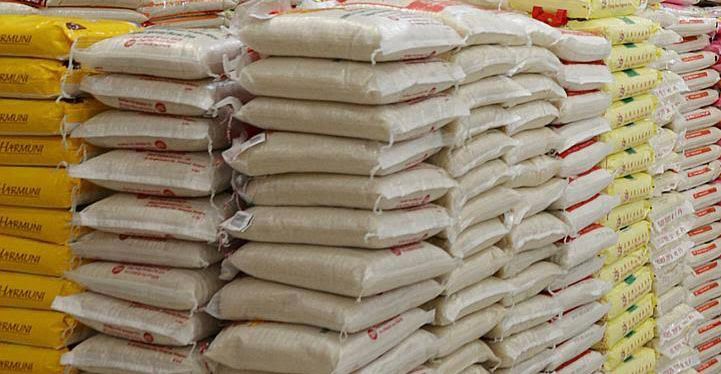
What a welcome relief! Food prices have taken a drastic drop, and consumers are reaping the benefits. The cost of living has gotten a much-needed break, allowing households to stretch their hard-earned naira further. According to reports, the price of a 50kg bag of rice has dropped significantly to between N55,000 and N75,000, down from N85,000 this year, representing a 35% decrease. While some traders complained about loss, the masses are jubilant over the price drop. At Lagos’ Mile 12 and Oyingbo markets, traders confirmed the new prices, which are bringing smiles to many faces.
Also Read: Women Urged to Push Climate Action Beyond Dialogue, Influence Policy Community Change
With lower prices, some traders might experience reduced profit margins or even losses, especially if they’re unable to absorb the price drop. This could lead to decreased sales revenue, making it challenging for them to sustain their businesses. Nevertheless, a stable and thriving market with lower prices can ultimately benefit traders in the long run. Increased demand and higher sales volumes could offset the reduced prices, allowing traders to maintain or even increase their revenue. Moreover, a stable market can attract more investors and boost economic growth, creating new opportunities for traders.
Nigeria’s food inflation rate has been a pressing concern, with a significant increase in prices over the past year. According to the National Bureau of Statistics (NBS), the food inflation rate rose to 32.84% in November 2023, up from 31.51% in the previous month, and 24.13% in November 2022. This sharp increase had led to a substantial rise in the cost of living, making it challenging for many households to afford basic necessities. The price of rice, a staple food in Nigeria, had also seen a significant increase, with a 50kg bag costing between N55,000 and N75,000, up from N85,000 earlier in the year.
The NBS attributed the increase in food inflation to rises in prices of bread and cereals, oil and fat, potatoes, yam and other tubers, fish, fruit, meat, vegetables, and coffee, tea, and cocoa. Experts warned that food prices will remain a critical concern due to persistent challenges in agricultural productivity, reliance on imports, and rising fuel costs. The inflation rate steadily increased, with a year-on-year rise of 61% in food prices from June 2023 to May 2024.
The Central Bank of Nigeria’s intervention in the forex sector and efforts to stabilize the naira have had some impact, Nigerian authorities have also implemented major reforms over the past two years which have improved macroeconomic stability and enhanced resilience.
The recent drop in rice prices in Nigeria, attributed to the opening of land borders and import waiver policy on staple foods, has brought relief to households and eased the cost-of-living crisis. With increased purchasing power, many Nigerians can now afford basic necessities. To sustain this trend and to further ease the cost of living, the government should provide more support for farmers and improve infrastructure to reduce post-harvest losses and transportation costs. By striking a balance between supporting consumers and protecting traders’ interests, Nigeria can ensure stable food prices and improve the standard of living for its citizens. This requires careful planning and implementation.
