


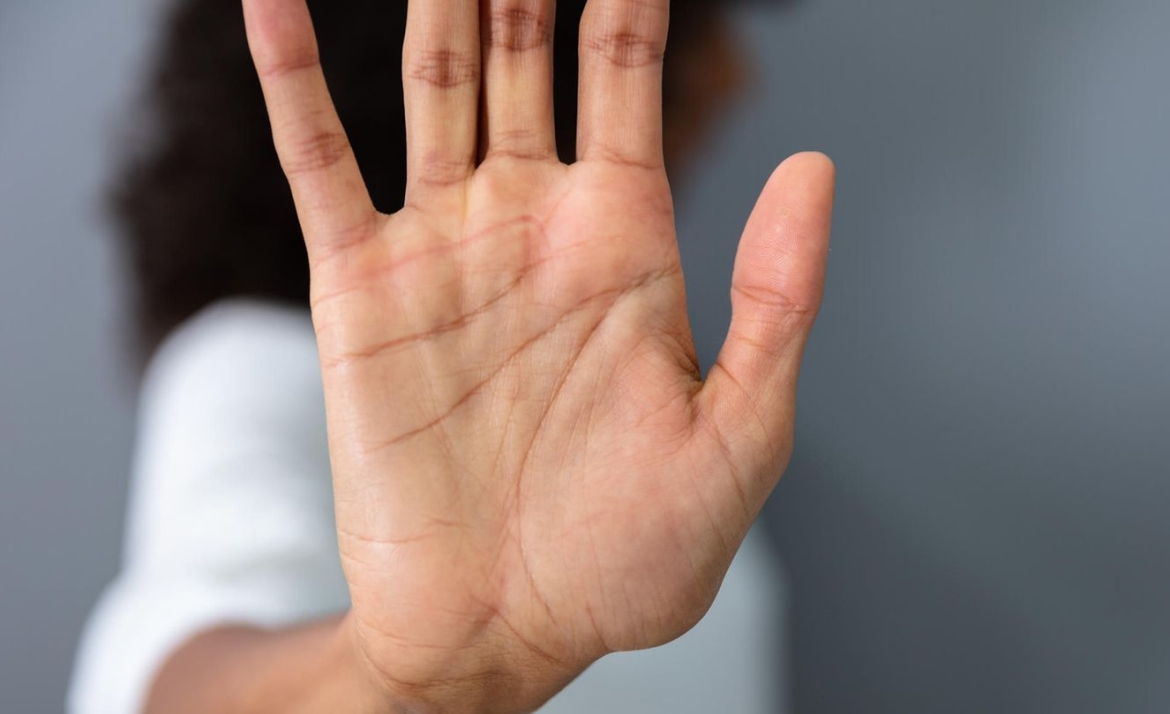
Workplace harassment occurs when an employee or group of employees feel threatened or belittled by their colleagues. The sole purpose of a workplace harasser is to make their victims feel unsafe and uncomfortable. Workplace harassment goes by various names like “workplace bullying,” “mobbing,” “workplace aggression,” etc.
Harassment incorporates various kinds of segregation and demonstrations of infringement that are not confined to one specific group. It occurs when people target multiple groups, including women, racial minorities, sexual minorities, people with disabilities, and immigrants. Fundamentally, workplace harassment requires a pluralistic arrangement since it can’t be outlined in one cognizant and solid definition.
Workplace harassment is common but not spoken about openly in most work environments. Harassment at work leads to a toxic and abusive workplace. Many individuals are not sure what is considered harassment at work; hence, most cases go unnoticed and unreported.
As a matter of fact, many employees have seen hostile work environments, due to which most of them left the companies or corporations. The question is, have people wondered why? Why are some employees seen in isolated incidents? Could it be harassment of any sort that is bothering them?
The key to success for any organisation is its resources; yes, we are talking about the employees. A disturbing and uncomfortable work environment can negatively impact an organisation’s productivity, employee relations and reputation in the business world. Thus, maintaining decorum and practising zero tolerance towards harassment is necessary for any company’s business growth.
Workplace harassment might or might not have any kind of physical evidence, but it can’t be denied that it exists. As per the Equal Employment Opportunity Commission (EEOC), harassment includes offensive jokes, bullying, slurs, epithets, physical assaults, intimidation, ridicule, insults, offensive objects or pictures, and interference in work performance.
More so, harassment at the workplace can be of any type, whether verbal or physical harassment, sexual favours, psychological, emotional, etc. There are five major types of workplace harassment, which are Verbal harassment, Psychological harassment, Cyberbullying, Sexual harassment and Physical harassment. These major types of workplace harassment are vividly explained as thus:
Victims of verbal harassment often face an ongoing battle of destruction that threatens their health and career equally. Verbal harassment consists of demeaning slurs, offensive gestures, and unwarranted criticisms. Since this is a non-physical form of violence, it includes insults like fat-shaming/body-shaming jokes, hurtful comments, and unwanted taunting, and thus, often be challenging to recognise. As it is a grey area, HR managers and leaders must be vigilant to notice such harassing behaviours.
Psychological harassment is somewhat similar to verbal harassment, but it is more covert and consists of tactics like withholding information. Victims who face such harassment are more likely to suffer mental breakdowns, low self-esteem, and to undermine themselves. Psychological harassment includes taking credit for others’ achievements, making impossible demands, imposing impossible deadlines on an employee, forcing someone to work outside their job scope, etc. This is a form of deliberate psychological bullying.
Cyberbullying or Digital harassment is the newest form of harassment. Even though it happens online, it is as derogatory as physical bullying. This form of harassment includes posting threats or demeaning comments on social media, creating a fake persona to bully someone online, creating a webpage about the victim to mock and belittle them, and making false allegations online.
Usage of social media has become a norm in any workplace. Hence, in the name of free speech, anyone can harass anyone digitally. People can make fake personas to demean or bully their colleagues.
But there is also good news about digital harassment, in which victims can document it. Someone who faces such bullying and discrimination can document these incidents in screenshots, saved emails, etc. By doing so, victims of workplace harassment can easily report such offensive behaviours.
Then, sexual harassment at the workplace is a heinous crime and more common than one might think. It is an offence that is not specific to women only. A person belonging to any gender can be the victim or the perpetrator of sexual harassment.
Also Read: YEAC-Nigeria, Partners Launch App to Monitor Oil Spills in Niger Delta
According to a Zip Recruiter survey, 40% of female respondents and 14% of male respondents have experienced sexual harassment in the workplace.
Unwanted touching, sending obscene messages and videos, asking for sexual favours, and comments including vulgar gestures are a few signs of sexual harassment.
Most of the time, these incidents go unnoticed and unreported, and because of this, offenders often get away with their conduct. Many victims do not want to speak about this as they think it will get better, but no, it only worsens. However, if someone is a sex offender and is making someone uncomfortable, one must report.
Physical harassment in the workplace has many degrees. Such harassment includes improper touching of clothing, skin, physical assaults, threats, or damaging personal property. People belonging to gender minorities are more likely to face such kinds of harassment at work. Offenders can downplay some harassment in the form of jokes, not causing physical harm; in such cases, it gets difficult to identify physical harassment.
Even if there is no severe physical harm, it can still be considered physical harassment. If a situation becomes violent, employees must file a complaint and take strict action against the offenders.
Every organisation has a human resources department, which is intended to help employees who need help in serious situations. Whether they feel uncomfortable or in danger, or are threatened by a colleague, good HR practices ensure their safety and job security. Most grievances or harassing conduct lack physical evidence, but that must not deter a victim from filing an official complaint.
According to Mooney, reporting workplace harassment is necessary, as there might be complaints from other victims who might have reported similar offences by the same offender.
Many organisations have proper conduct and strict anti-harassment policies, while some smaller organisations may not. Employees are encouraged, and most importantly, leaders and HR managers, to take decisive steps in tackling this menace by trying to have a one-to-one conversation with the harasser calmly. Ask them to stop directing such derogatory behaviour towards the employees(victims). However, if the abuse is physical, do not approach the harasser; instead, take direct action.
If the employee complains about harassment and it happens that the perpetrator is in a leadership position, escalate the issue to the attention of HR if attempts to resolve it with the harasser fail. Consider providing evidence if there is any, like screenshots, eyewitnesses, or text messages.
As a manager, if you feel that your company did not deal with your employees’ complaints diligently, get in touch with the EEOC, which can investigate the incident impartially. Help your employees get in touch with them, as they have their own laws and agencies regulating workplace conduct.
In conclusion, a healthy, positive, and harassment-free workplace eradicates toxicity and helps in employee engagement and increased productivity. Thus, the company’s management must make sure the workplace does not encourage harassment and discrimination towards anyone. Together in a calm and friendly atmosphere, everyone can deliver optimally.
