


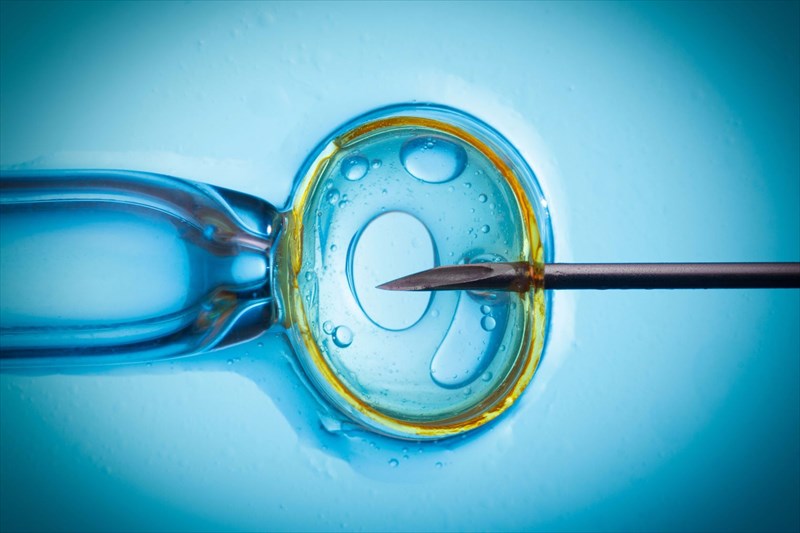
In Nigeria, where infertility remains a deeply emotional and often stigmatised issue, the rise of in-vitro fertilisation (IVF) is not just a medical development; it is a cultural shift. For countless couples who have faced years of silent struggle, IVF offers something once thought impossible: a second chance at parenthood.
With over 25% of Nigerian couples reportedly affected by infertility, the demand for assisted reproductive technologies has grown steadily in the last decade. IVF clinics have sprung up across major cities like Lagos, Abuja, and Port Harcourt, offering advanced procedures previously only accessible abroad. The dream of holding a biological child, once out of reach for many, is now within sight, at least for some.
However, the expansion of IVF in Nigeria comes with serious challenges that cannot be ignored. We must applaud the scientific progress, yes, but we must also ask: at what cost, and for whom?
First, there is the matter of access. IVF in Nigeria is still largely a privilege of the wealthy. A single cycle costs anywhere between ₦1.5 to and ₦3 million, and success is not guaranteed. Most couples require multiple cycles, making the procedure financially out of reach for the average Nigerian. There are currently no government subsidies or insurance coverage for fertility treatments. In a country where millions live below the poverty line, this medical breakthrough remains painfully exclusive.
Then there’s the issue of regulation. Despite the rapid growth of fertility clinics, Nigeria lacks a clear, enforceable regulatory framework to guide the practice of IVF. The absence of oversight opens the door to quack practitioners, inflated success claims, unethical embryo handling, and the exploitation of desperate couples. While professional bodies like the Association for Fertility and Reproductive Health (AFRH) have made efforts to introduce standards, the government must take the lead in establishing and enforcing nationwide guidelines.
Also Read: Over 4,000 People Benefit From Five-Day Free Medical and Surgical Mission
There are also important ethical and social questions. Who gets access to IVF? Should single women or same-sex couples be eligible? How are unused embryos stored or discarded? And what about the growing surrogacy market, another grey area with little legal backing or protection for surrogates and intended parents alike?
Beyond the science, the emotional and psychological cost of IVF in Nigeria is rarely discussed. For many women, failure is seen not as a medical setback but as a personal or even spiritual failing. In our society, where motherhood is still considered a woman’s primary role, the pressure can be crushing. Mental health support must be part of fertility treatment, not a luxury add-on.
Yet despite these challenges, the promise of IVF in Nigeria is undeniable. It represents hope, healing, and progress. It offers solutions to a problem that has torn apart marriages and silenced too many women for too long. But with great hope comes great responsibility.
Nigeria must act now to ensure that IVF does not become another space where inequality thrives. We need clear laws, public funding options, robust monitoring, and widespread education to protect patients and empower them with informed choices.
IVF should not be a privilege for the few; it should be a right accessible to all who need it. Science has opened the door. It is now up to us, as a society, to walk through it with wisdom, fairness, and compassion.
