


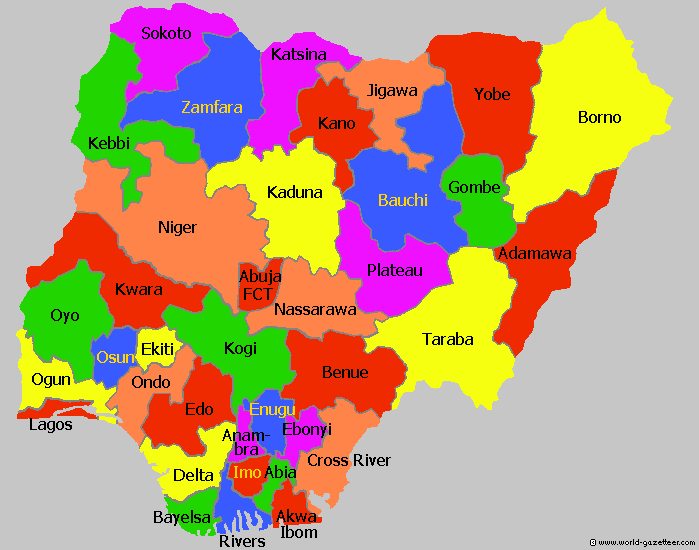
Nigeria, a nation known for its rich cultural diversity and vast resources, continues to grapple with an age-old problem that threatens its unity and development: boundary disputes and the violence they ignite.
From the rural farmlands to growing urban fringes, clashes over land boundaries have repeatedly erupted, leaving communities devastated and the social fabric frayed. These disputes are often rooted in historical land claims, unclear or poorly documented boundaries, and competition over access to fertile land and water resources. But the consequences are very real and immediate: loss of lives, destruction of property, displacement of families, and long-standing enmity between neighbouring communities.
The cycle of violence does not just disrupt peace; it stalls economic activities, deepens poverty, and breeds mistrust among Nigerians who otherwise share so much in common. The government’s response to these crises has been patchy at best. Mediation efforts and security interventions sometimes bring temporary calm, but without addressing the root causes: lack of clear land ownership records, poor conflict resolution mechanisms, and political interference, the disputes flare up again. It’s a bitter reminder that security operations alone cannot solve problems born out of neglect and mismanagement.
Also Read: Obio/Akpor Council Chairman Meets Workers, Pledges Improved Welfare
What Nigeria needs is a comprehensive approach that combines clear legal frameworks for land ownership, community engagement, and dialogue-driven conflict resolution. Local leaders, traditional rulers, and youth groups must be empowered to mediate and foster understanding. At the same time, the government must invest in accurate land surveys and enforce laws transparently, ensuring no group feels marginalised or unheard.
Above all, Nigerians must recognise that violence over boundaries is a lose-lose situation. It tears apart the very communities that should be collaborating to build a better future. Every life lost, every home destroyed, every child displaced in these disputes is a setback for the nation’s progress. As we move forward, let us demand more from our leaders and from ourselves. Peaceful coexistence is possible, but it requires patience, empathy, and a genuine commitment to justice.
The time to act is now, before more communities are engulfed by conflict and before the dream of a united Nigeria slips further away.
