


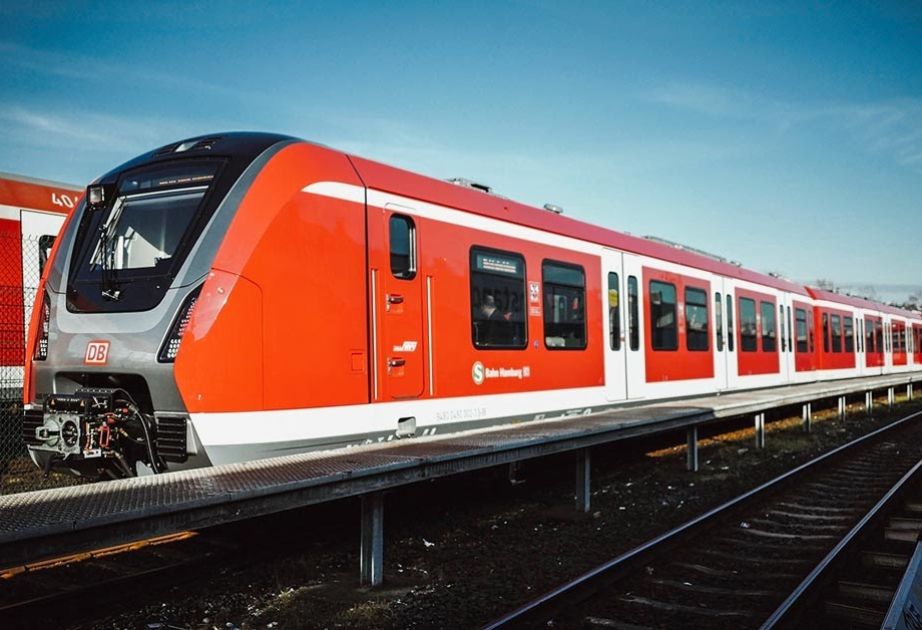
The first commercial 5G network specifically designed for smart train operations was launched by Deutsche Bahn (DB) in collaboration with Nokia on Thursday, September 18, representing a significant leap forward in rail communications.
Currently being tested at DB’s digital railway test facility in the German Ore Mountains, the new system features a 5G Standalone (SA) core and operates at a frequency of 1900 MHz.
This network integrates Nokia’s AirScale radios with a 5G SA core that includes self-healing capabilities, emergency switching, and real-time monitoring. This design ensures that in the case of equipment failure or temporary signal loss, the system can autonomously recover and continue operations without human intervention.
“Deutsche Bahn is dedicated to utilising state-of-the-art 5G telecommunications to enhance our railway infrastructure. Collaborating with technology leaders like Nokia allows us to effectively incorporate the latest innovations into our everyday operations,” stated Rainer Fachinger from DB.
Also Read: DJI Launches Mini 5 Pro Compact Drone
“We take pride in providing the world’s first commercial 5G solution for railways operating on the 1900 MHz band. This innovation opens up new opportunities such as automated train control, intelligent maintenance, and smart station infrastructure,” remarked Rolf Werner, head of Nokia’s European division. “This initiative establishes a new global standard for FRMCS modernisation.”
Future Railway Mobile Communication System (FRMCS) represents the next-generation upgrade to the outdated GSM-R railway network. While GSM-R primarily served as a dedicated communication link between train drivers and dispatchers, FRMCS utilises the speed and flexibility of 5G to facilitate instant data transmission throughout the network.
In essence, FRMCS revitalises rail communication. The system prioritises safety-critical messages, minimises delays, and offers dispatchers real-time insight into network issues. This capability allows trains to operate more closely together, enhancing track capacity while reducing the risk of collisions.
