


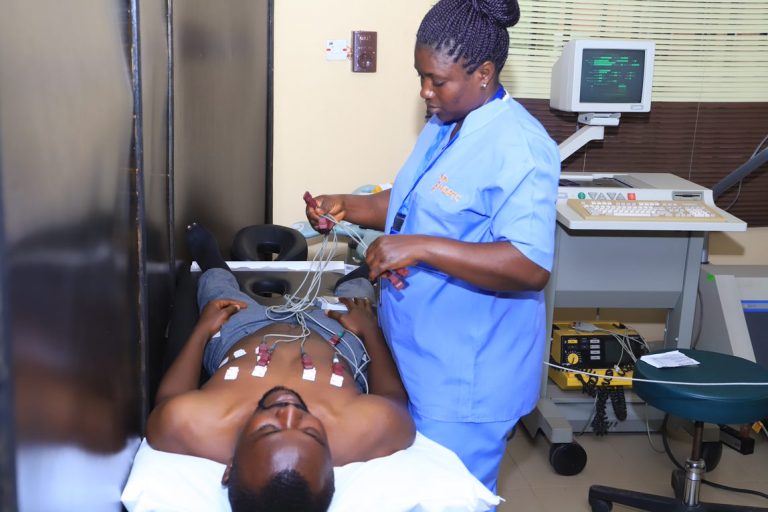
Cardiologists across Nigeria are raising the alarm over what they describe as a rapidly growing epidemic of cardiovascular diseases (CVDs). The rise in cases, which is a major concern for the entire African continent, is being driven by a combination of unhealthy lifestyle choices, a shortage of specialists, and systemic public health challenges.
The Nigerian Cardiac Society (NCS) and the Pan-African Society of Cardiology (PASCAR) have both expressed concern, with new data revealing that as many as four out of every ten Nigerian adults are now hypertensive.
According to a report by the NCS, the rising prevalence of hypertension is directly linked to an increase in severe heart-related conditions, including heart failure, stroke, and kidney disease. Experts note that changing lifestyles, such as the consumption of processed foods high in salt and sugar, coupled with a lack of physical activity, are the primary culprits.
The “Japa Syndrome,” or the mass emigration of medical professionals, has led to a severe shortage of cardiologists. This brain drain is making it increasingly difficult for patients to access timely and appropriate care, which in turn contributes to higher mortality rates.
Furthermore, the lack of well-equipped medical facilities and the high cost of treatment and medication pose significant barriers to effective management of CVDs.
Also Read: http://NARD Suspends Strike, Give FG Two Weeks to Meet Demand
The Nigerian health sector is also challenged by peripartum cardiomyopathy, a condition that causes heart weakness and enlargement in young women after childbirth, particularly in the country’s northwest.
In a bid to address the alarming trend, the Nigerian Cardiac Society has announced plans to launch free Cardiopulmonary Resuscitation (CPR) training.
This initiative aims to equip citizens with the skills to save lives during sudden cardiac arrest, a common and often fatal consequence of undiagnosed or poorly managed CVDs.
The Society has also emphasized the importance of public awareness campaigns to educate Nigerians on the importance of regular blood pressure checks, healthy diets, and exercise.
While these initiatives are crucial, cardiologists underscore that a coordinated, multi-sectoral approach and a renewed focus on preventive care are the only sustainable way to combat the growing epidemic.
