


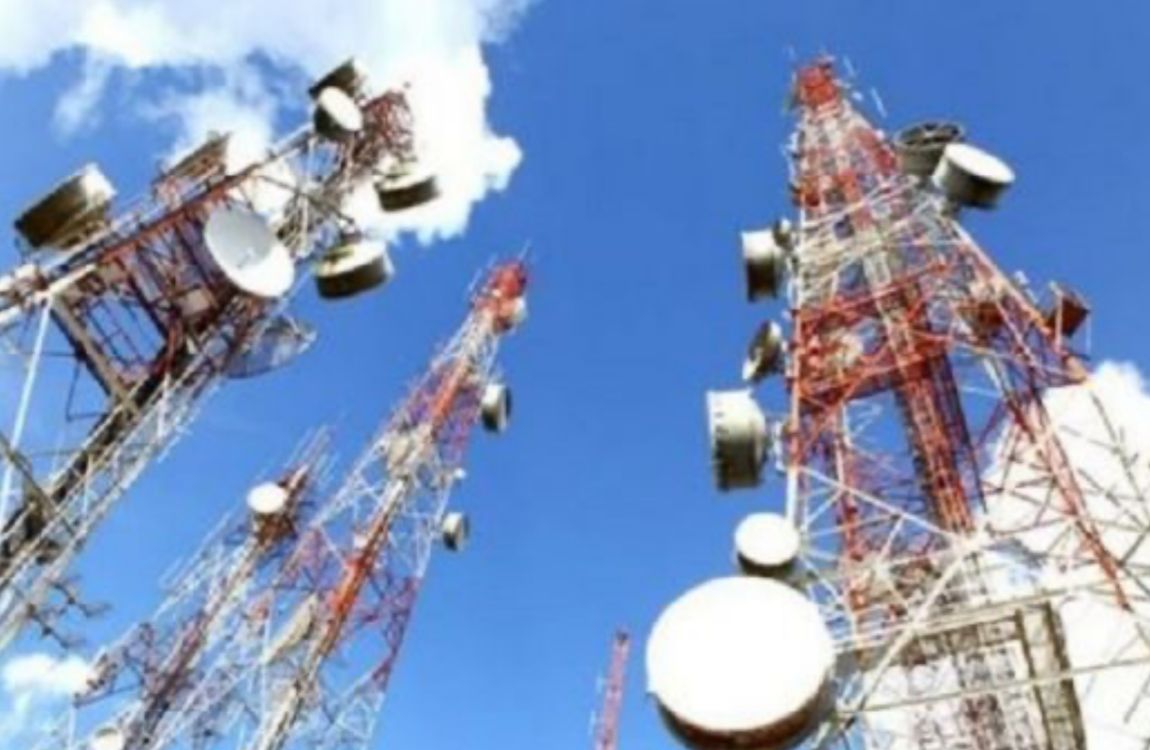
Nigeria’s telecom sector is facing a severe crisis as rampant vandalism and theft of critical infrastructure continue unabated, despite a recent presidential executive order designed to protect these assets.
President Bola Tinubu’s Critical National Information Infrastructure (CNII) Order, signed in June 2024, designated telecom infrastructure as vital national security assets and made damaging them a crime.
However, industry reports as of today reveal an alarming surge in attacks. According to the Nigerian Communications Commission (NCC), operators report approximately 1,100 fibre cuts, 545 access denials, and 99 theft incidents weekly. These disruptions are causing significant network failures and degrading service quality for millions of users across the country.
Industry leaders have condemned the persistent sabotage. The Association of Licensed Telecom Operators of Nigeria (ALTON) has labeled the vandalism as “economic sabotage,” directly threatening Nigeria’s digital economy and national security. ALTON Chairman, Gbenga Adebayo, highlighted multiple challenges, including deliberate theft, damage from poorly coordinated road works, and a flourishing black market for stolen components like cables and batteries.
Also see: Akpabio Calls for Patience, Says Tinubu’s Reforms Will Bring Prosperity
In response, companies like IHS Nigeria are adopting a multi-faceted approach. Director of Administration Operations, Sadisu Jubrin, outlined strategies including public awareness campaigns, technology deployment like AI-powered surveillance, and partnerships with security agencies. IHS has also signed an agreement with the Nigerian Security and Civil Defence Corps (NSCDC) and deployed 650 rapid response vehicles nationwide to enhance protection.
Both ALTON and infrastructure providers are calling for urgent action: stricter enforcement of laws, crackdown on black markets, improved coordination with construction firms, and community engagement programs to foster local ownership of telecom assets.
They emphasize that without comprehensive implementation of protective measures and consequences for offenders, Nigeria’s digital transformation goals remain at serious risk.
