


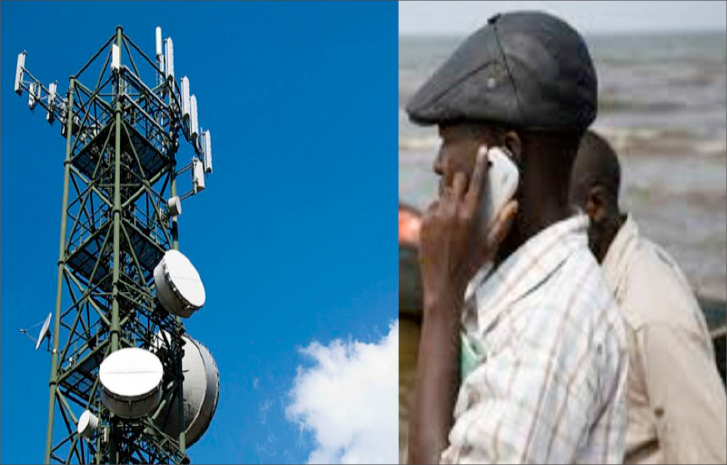
Nigeria’s telecom industry is facing a mounting crisis as energy shortages and infrastructure challenges drive up costs and disrupt service delivery.
Operators now spend nearly 30 per cent of their operating expenses on power to keep more than 40,000 base stations running nationwide. According to MTN Nigeria’s Chief Operating Officer, Ayham Mousa, the situation is unsustainable, with 70 per cent of service downtimes linked to inadequate power supply, alongside recurring fibre cuts and vandalism.
“In the last six months alone, MTN has recorded over 5,700 fibre cuts. Every time a site goes dark, customers are left stranded, sometimes in emergencies. That’s why energy remains the biggest threat to network availability,” Mousa said at the GITEX Nigeria 2025 conference.
The issue has drawn concern from the Nigerian Communications Commission (NCC). Its Executive Vice-Chairman, Dr Aminu Maida, noted that the industry consumes more than 40 million litres of diesel every month, warning that reliance on diesel is not sustainable.
While the Dangote refinery could ease supply, Maida said diversification into alternative energy sources is vital to the sector’s survival.
Fibre protection is another major concern. Eghosa Urhoghide, head of Edo State ICT Agency, explained that community engagement and government-backed fibre ducts have helped reduce costs and curb vandalism in the state.
Also see: Scott Edwards Becomes New Nokia Federal Solutions CFO
He urged wider adoption of the “Dig Once Policy”, which promotes shared infrastructure and safeguards against repeated fibre damage.
Adding to the urgency, MTN Nigeria CEO Karl Toriola cautioned that the country also faces a critical shortfall in data centre capacity as artificial intelligence adoption accelerates, with an estimated 90-megawatt gap that could slow Nigeria’s digital ambitions.
With broadband expansion, digital payments, and AI adoption on the line, stakeholders warn that unless power reliability and infrastructure security improve, Nigeria’s telecom gains could stall.
