


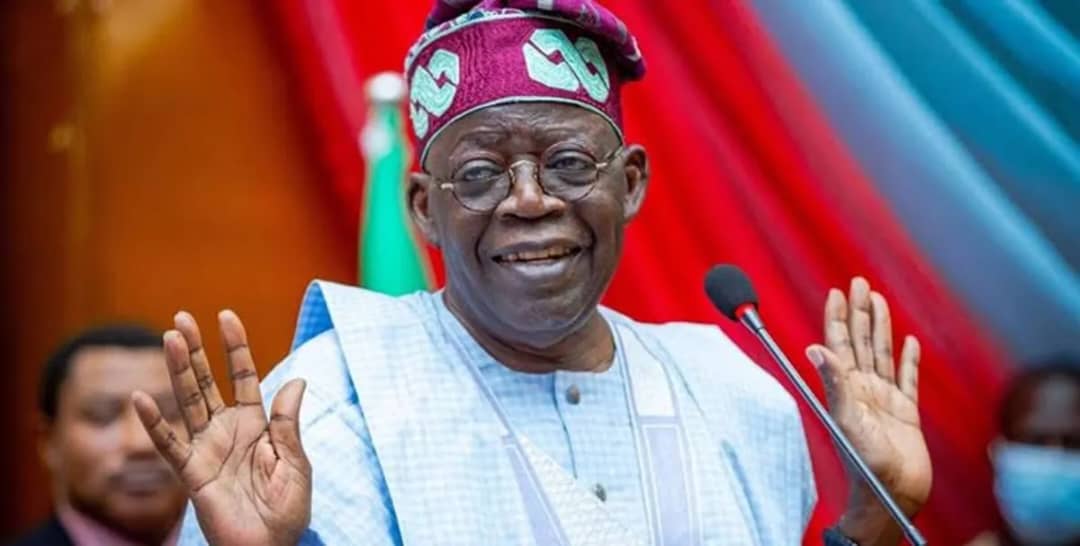
When President Bola Ahmed Tinubu took office on May 29, 2023, Nigeria stood at a crossroads, grappling with economic woes and a restless populace hungry for change. Tinubu, a seasoned politician with a reputation for bold promises, stepped into the spotlight with a narrative of transformation.
Yet, as his administration unfolded, a pattern of embellished claims and carefully crafted propaganda began to emerge, culminating for now with a striking misstatement about the naira’s exchange rate that continued the tone for what many now see as a troubling trend.
On September 3, 2025, Tinubu addressed a gathering at the Presidential Villa in Abuja, confidently declaring that when he assumed office, the naira was trading at ₦1,900 to the dollar, but his policies had strengthened it to ₦1,450 by August 2025.
The claim, delivered with the swagger of a leader in control, painted a picture of economic triumph. But the numbers told a different story. According to data from the Central Bank of Nigeria (CBN) and market reports, the official exchange rate at the Investors and Exporters (I&E) window was around ₦460-₦470 to the dollar when Tinubu took office.
The parallel market, often a truer reflection of street-level realities, hovered closer to ₦720. The ₦1,900 mark Tinubu cited wasn’t seen until early 2024, nearly a year into his term, following his administration’s own policies, like the removal of the fuel subsidy and the unification of exchange rate windows on June 14, 2023. These reforms sent the naira into a tailspin, hitting ₦1,800-₦1,900 in the parallel market by February 2024. Far from inheriting a ₦1,900 rate, Tinubu’s policies helped create it.
This wasn’t a mere slip of the tongue. The claim fit into a broader narrative the administration pushed: that Tinubu inherited a broken economy and was single-handedly fixing it. By exaggerating the starting point, the government could tout any improvement as a victory.
Yet, the naira’s journey has been anything but stable. By August 2025, it was trading at ₦1,525, a slight recovery from its March 2024 low of ₦1,800, but hardly the triumph Tinubu described. Analysts argue the currency’s volatility reflects ongoing challenges, not a stabilized economy.
Also see: Tinubu Orders Mandatory Health Insurance for Government, Private Sector
The exchange rate fib is just one thread in a tapestry of questionable claims. Take the administration’s boasts about export growth. In 2025, officials celebrated a 19.62% rise in non-oil exports, from $2.696 billion in the first half of 2024 to $3.225 billion in 2025.
The narrative was compelling: a weaker naira made Nigerian goods like cocoa and sesame seeds cheaper abroad, fueling an export boom. But the story glossed over the human cost. The naira’s devaluation crushed purchasing power at home, with inflation soaring to a 20-year high of 40.87% in June 2024. Nigerians faced skyrocketing prices for basics like food and fuel, a reality often absent from the government’s rosy rhetoric.
Then there’s the claim of fiscal discipline. Tinubu has repeatedly touted reducing Nigeria’s fiscal deficit from 5.4% of GDP in 2023 to 3% in 2024, a figure backed by World Bank data. He also claimed to have ended the controversial “Ways and Means” borrowing from the CBN, a practice that fueled inflation under his predecessor.
These points are technically accurate, but they come with caveats the administration rarely mentions. For instance, debt servicing consumed a staggering 144% of government revenue in January 2025, undermining claims of financial health. The government’s narrative of progress often sidesteps such inconvenient truths, focusing instead on selective wins.
Tinubu’s team has also leaned heavily on the idea of a unified exchange rate as a masterstroke for transparency and investor confidence. The CBN’s move to a single market-driven rate in June 2023 was indeed bold, earning praise from the IMF but the policy’s fallout like naira depreciation, inflation, and business losses for multinationals like Nestlé was downplayed. The administration framed the reform as a necessary pain for long-term gain, yet many Nigerians felt only the pain.
This pattern of selective storytelling extends beyond economics. Tinubu’s claim of meeting revenue targets without borrowing in 2024 was a crowd-pleaser, but it ignored the reality of rising public debt, projected to hit ₦9 trillion to fund the next budget. Meanwhile, promises of job creation and food sovereignty remain vague, with protests over hunger and hardship growing louder.
The Tinubu administration’s narrative thrives on bold assertions and a knack for framing setbacks as stepping stones. But for Nigerians grappling with a weaker naira, soaring prices, and unfulfilled promises, the gap between rhetoric and reality is stark.
The exchange rate lie was just the latest act in a story where facts often take a backseat to political spin. As the administration moves forward, the question remains: will it confront these realities or keep weaving tales of triumph?
