


Critics have continued to fault the huge borrowing by the APC-led Federal Government to fund multi-trillion naira coastal road projects while major national highways remain abandoned.
Estimates suggest that rehabilitating critical roads across the country would cost less than ₦200 billion. Yet, the administration has embarked on projects such as the Lagos-Calabar Coastal Highway estimated at ₦15 trillion, the 3rd Mainland Bridge rehabilitation at ₦3.6 trillion, and the Sokoto-Lagos road at ₦10 trillion.
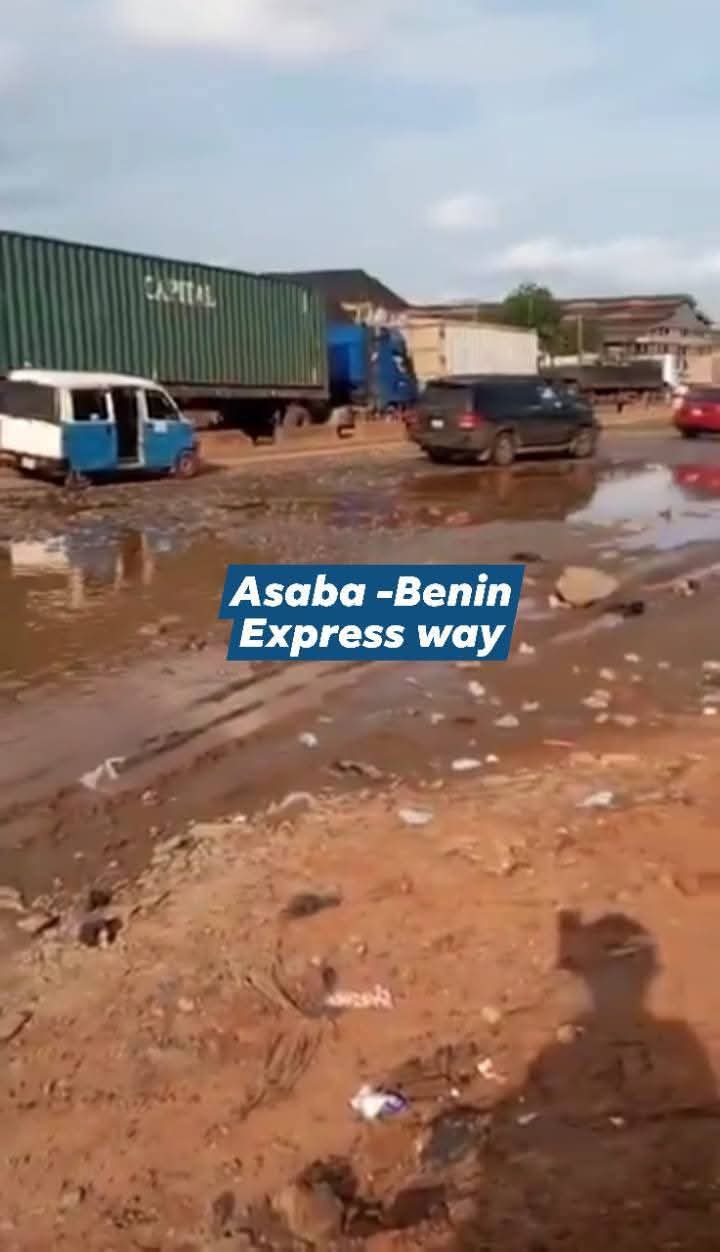
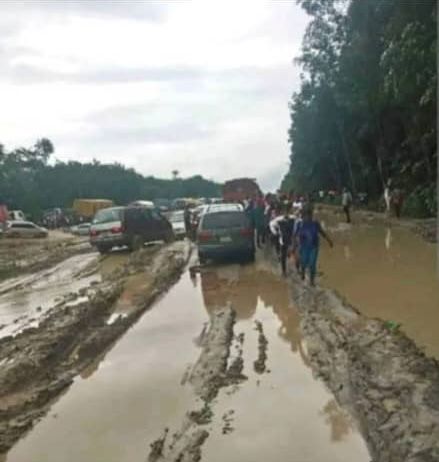
Observers argue that despite the borrowing spree, many federal highways linking major cities remain impassable. The Onitsha–Enugu–Makurdi road, Abuja–Benin highway, and the Abiriba–Itu–Calabar road are among those described as “abandoned.” Stakeholders maintain that rehabilitating all critical highways nationwide would cost less than ₦1 trillion a fraction of what the government is spending on new projects.
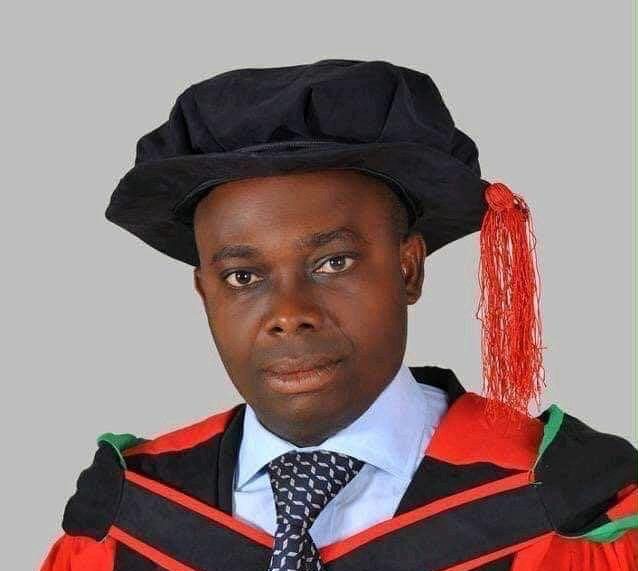
Professor of Politics and Governance at the Ignatius Ajuru University of Education, Rumuolumeni, Port Harcourt, Prof. Kenneth Nweke, described the Federal Government’s decision to prioritise new coastal roads over existing highways as “a crazy move.”
In an interview with our correspondent, Nweke accused the government of insincerity, alleging that many contracts were awarded under secrecy and influenced by corruption.
Also see: Tinubu Approves N16.7bn for Mokwa Bridge Reconstruction
“This borrowing to finance coastal roads, while existing ones are left in ruins, does not make sense. The priority should be to rehabilitate existing roads, make them motorable, and improve connectivity across the country, then in the future, new coastal projects can be considered.”
He cited the East-West Road, stretching from Calabar through Uyo, Port Harcourt, Bayelsa, and Benin, as a prime example of government neglect.
“Every year, only a section is attended to, yet trillions are being sunk into white elephant projects. With less than ₦20 trillion, the entire country could have solid road infrastructure,” he added.
According to him, funds should instead be directed towards rehabilitating existing highways and rail systems to build an efficient transport network that can boost the economy.
He warned that embarking on new multi-trillion naira projects that may not be completed within the lifespan of the current administration amounts to waste and risks worsening Nigeria’s debt profile.
“This coastal road project appears to be another channel for siphoning our hard-earned resources,” Nweke said.
Civil society groups and economists have also voiced concerns that Nigeria’s current borrowing spree reportedly exceeding $20 billion may mortgage the nation’s future for projects they describe as “inconsequential to citizens’ immediate needs.”
