


Nigeria is setting its sights on capturing 40 percent of Africa’s oil and gas investments, aiming to reverse a decline that saw its share of sub-Saharan upstream inflows drop from 44 percent in 2014 to 30 percent in 2022.
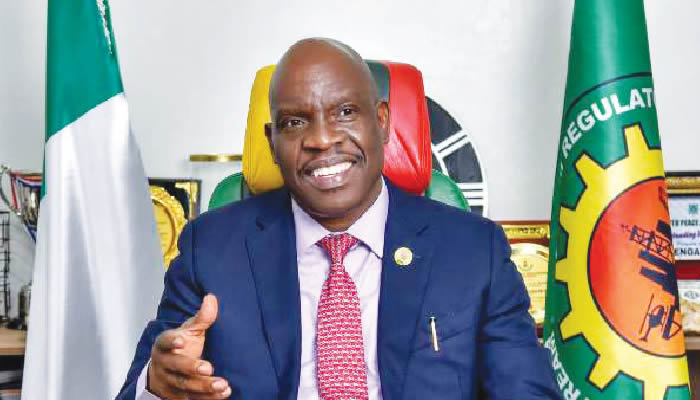
The Nigerian Upstream Petroleum Regulatory Commission (NUPRC) has unveiled a bold strategy to restore the country’s position as a top destination for energy investments, a move that could bring economic benefits to oil-producing regions like Rivers State.
The NUPRC’s Regulatory Action Plan, aligned with a 10-year strategic vision, focuses on removing longstanding obstacles and creating investor-friendly policies. Speaking at a recent industry conference, the commission’s leadership emphasized transparent licensing rounds and attractive fiscal frameworks for offshore, deepwater, and gas projects.
These reforms aim to rebuild trust among global investors, making Nigeria a competitive player in a fast-evolving energy market. The plan builds on the Petroleum Industry Act, which has introduced clearer governance and performance-based regulations to streamline operations.
Recent efforts are already showing results. Nigeria’s rig count has climbed from just eight in 2021 to 43, with a goal of reaching 50 by year-end. Transparent bid rounds, including the 2022 award of 57 Petroleum Prospecting Licences and the 2024 Licensing Round, have drawn strong investor interest.
The NUPRC has also modernized its National Data Repository, offering access to Africa’s largest digital petroleum data bank. This upgrade, paired with advanced seismic data analysis, helps reduce exploration risks, making Nigeria more appealing to investors.
Also see: Rivers NOA Chairman Urges RISIEC to Uphold Basic Standard During LGA Election
The commission’s Project One Million Barrels Initiative, launched in 2024, is pushing to boost crude oil production from 1.46 million barrels per day to 2.5 million by 2026. Current output averages 1.7 to 1.83 million barrels daily, driven by reactivating dormant fields and faster approvals.
To combat crude theft, 37 new evacuation routes and stronger security measures have been introduced, ensuring more reliable supply chains. These efforts also support local refineries, fostering economic stability in states like Rivers, where oil activities drive jobs and businesses.
By leveraging competitive royalty structures and zero hydrocarbon taxes for select projects, the NUPRC is signaling Nigeria’s readiness to lead Africa’s energy sector. For communities in oil-rich areas like Rivers, this could mean more opportunities as investments flow in.
With Africa needing over $600 billion annually to meet energy demands, Nigeria’s push to reclaim its dominance is a pragmatic step toward economic growth and energy security.
