


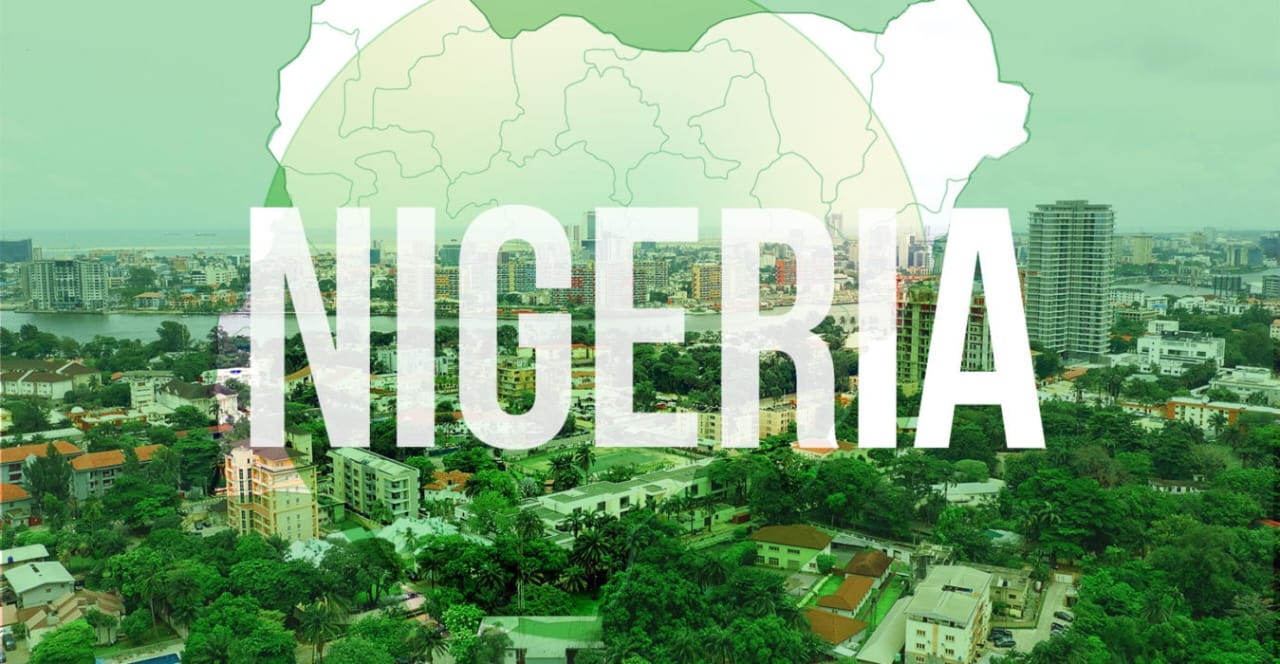
In the heart of Africa’s economic landscape, two powerhouses stand in stark contrast: Morocco and Lagos, Nigeria’s commercial hub. Both boast comparable economic output, with Lagos’ GDP hitting $259 billion in 2023, closely mirroring Morocco’s c
Yet, beneath this numerical parity lies a deeper story of diverging paths, one of strategic progress and another of untapped potential. This contrast offers lessons for Nigeria and other African nations aiming to translate economic size into meaningful development.
Lagos is a city of frenetic energy, a bustling metropolis where ambition thrives amidst chaos. Its economy, the second-largest in Africa by purchasing power parity, is a testament to Nigeria’s entrepreneurial spirit. From tech startups in Yaba to the vibrant markets of Oshodi, Lagos pulses with opportunity.
The city’s growth, expanding from N19.65 trillion to N27.38 trillion in the first half of 2024, reflects its role as Nigeria’s economic engine. Yet, this growth masks systemic challenges. High inflation, foreign exchange volatility, and crumbling infrastructure choke its potential. Traffic jams that stretch for hours, erratic power supply, and flooding in low-lying areas like Makoko remind us that economic size does not always translate to quality of life.
Morocco, on the other hand, tells a story of deliberate progress. With a GDP per capita of $8,368, it is classified as a lower-middle-income economy, but its development trajectory is anything but middling. Morocco has invested heavily in infrastructure.
Think of the high-speed Al Boraq train connecting Casablanca to Tangier or the sprawling Noor Solar Complex, one of the world’s largest. These projects are not just shiny monuments. They are engines of connectivity and sustainability.
Morocco’s focus on renewable energy, aiming for 52% of its energy mix by 2030, contrasts sharply with Nigeria’s reliance on oil, which, despite contributing just 9% to GDP, accounts for two-thirds of government revenue. Morocco’s diversified economy, bolstered by manufacturing and tourism, has cushioned it against global shocks, like the 2022 drought that slowed growth to 1.3% but saw a rebound to 3.02% in 2023.
The difference lies in vision and execution. Morocco’s government has pursued a decades-long development plan prioritising diversification and foreign investment. The Tangier Tech City Project, backed by Chinese investment, aims to host 200 tech firms by 2027, creating jobs and boosting exports.
Meanwhile, Nigeria’s economic plans, from the 1960s National Development Plans to recent reforms, have often been derailed by political instability and corruption. The oil sector’s dominance has crowded out agriculture and manufacturing, leaving Nigeria vulnerable to fluctuations in global oil prices. For instance, the 2014 oil price crash plunged Nigeria into recession, exposing its weak revenue mobilisation, with a tax-to-GDP ratio languishing at 2.3% in Lagos.
This brings me to a quirky anecdote I stumbled across on X, which pokes fun at the obsession with GDP as a measure of progress. Two friends, let’s call them Tunde and Chidi, decide to boost their local economy bizarrely. Damiebi pays Marvellous N30,000 for a pile of, well, let’s say “organic waste.”
Marvellous, not to be outdone, pays Damiebi N30,000 for another pile. They laugh, realising they have just “added” N60,000 to the GDP without creating anything valuable. “At least we’re economic heroes!” Tunde jokes as they both grimace at the mess. The point? GDP measures transactions, not progress. Lagos’ massive GDP does not reflect the street vendor’s struggle or the student’s lack of reliable electricity for studying.
Morocco’s edge lies in its ability to channel resources into human capital and infrastructure. Its investment in education and health, though not perfect, outpaces Nigeria’s meagre 4% of GDP spent on health in 2018. Nigeria’s failure to meet Millennium Development Goals and sluggish progress on Sustainable Development Goals highlight a neglect of social services.
Related News: Nigeria’s N85 Trillion Stock Market: The Digital Retail Revolution Nigeria Needs
In Lagos, the middle class grew from 480,000 in 1990 to 4.1 million in 2014, but inequality remains stark. The city’s elite thrive in Victoria Island’s gated estates, while Makoko’s residents live on stilts above polluted waters.
What can Nigeria learn from Morocco? First, diversify. Nigeria’s oil dependency is a shackle. Investing in tech, agriculture, and manufacturing could unlock sustainable growth. The Imota rice mill, set to employ 250,000 people, is a step in the right direction.
Second, prioritise infrastructure. Morocco’s ports and rail systems facilitate trade. Nigeria’s congested Apapa Port and crumbling roads stifle it.
Third, governance matters. Morocco’s stable policy environment attracts investors, while Nigeria’s bureaucratic hurdles and corruption deter them.
Lagos has the potential to be Africa’s shining star, but it needs more than raw economic size. It needs vision, discipline, and a commitment to lifting all its citizens, not just the elite. Morocco shows what is possible when a nation aligns ambition with action.
Nigeria’s leaders must decide whether they will chase hollow GDP figures or build a future where growth means progress for all. The tale of these two giants is a wake-up call. Nigeria’s potential is immense, but it is time to turn hustle into lasting impact.
