


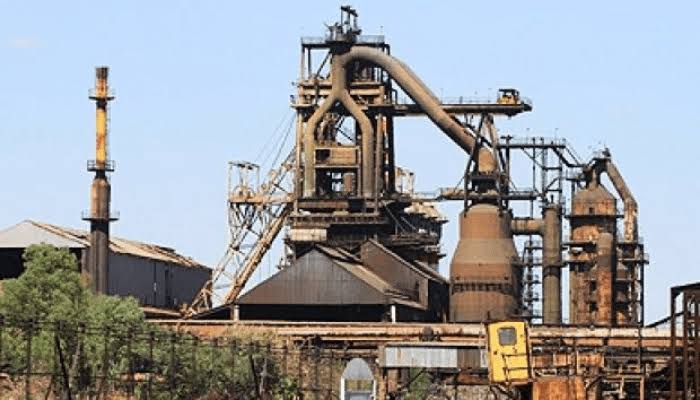
Nigeria’s ambitious efforts to revive its four state-owned refineries and the Ajaokuta Steel Company have faltered, with over N6.5 trillion spent in the past decade yielding no operational success, raising fresh concerns over mismanagement and unfulfilled economic potential in regions like Rivers State and Kogi.
The refineries in Port Harcourt, Rivers State, along with those in Kaduna and Warri, have remained dormant despite significant investments, including N4.29 trillion allocated between 2015 and 2024 for rehabilitation. The Port Harcourt refinery, a focal point of revival promises, has yet to produce fuel, with completion deadlines repeatedly missed. Similarly, the Ajaokuta Steel Company in Kogi, envisioned as a cornerstone of Nigeria’s industrialization, has consumed N2.22 trillion since 2015 but remains non-operational. The facility, 98% complete since 1994, has been plagued by policy inconsistencies, corruption allegations, and stalled foreign partnerships.
Government officials attribute the failures to external setbacks, including the COVID-19 pandemic and the Russia-Ukraine conflict, which disrupted plans for Russian technical audits of Ajaokuta. Critics, however, point to deeper issues. Muda Yusuf, an economic analyst, described Ajaokuta as an economic burden, citing political interference and systemic fraud. The refineries face similar scrutiny, with funds reportedly siphoned through inflated contracts.
Also Read: HYPREP to Extend Mangrove Restoration Efforts to More Ogoni Communities by Late 2025
Despite recent government pledges, including talks with Chinese firms for Ajaokuta and new funding for Port Harcourt, public frustration is mounting. The Nigerian Electricity Regulatory Commission recently warned that Ajaokuta risks grid disconnection over a N5.63 billion electricity debt, underscoring its financial strain. Meanwhile, Nigeria’s reliance on imported fuel and steel continues to drain foreign reserves, costing over $4 billion annually.
Stakeholders, including the Manufacturers Association of Nigeria, urge a shift to privatisation or unbundling of Ajaokuta to attract competent investors. As Rivers State and other regions await economic benefits from these projects, analysts warn that without transparency and accountability, Nigeria’s industrial ambitions will remain stalled, leaving promised jobs and growth out of reach.
