


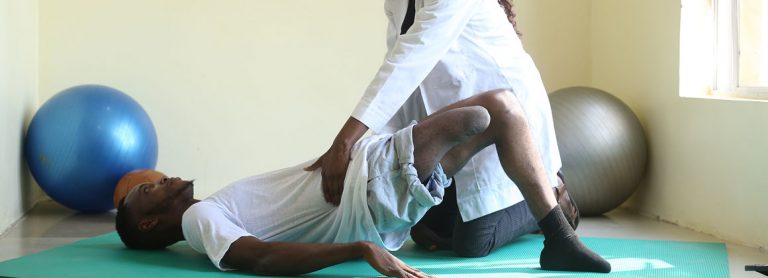
Medical experts are issuing urgent warnings about the dangers of ignoring recurring joint pain, emphasizing that what many Nigerians dismiss as normal discomfort could signal serious underlying health problems requiring professional attention.
Dr. Hakeem Olaosebikan, Consultant Rheumatologist at Lagos State University Teaching Hospital, stressed the risks of self-treatment during an interview at his clinic.
“When patients repeatedly take painkillers for joint pain without proper diagnosis, they’re not solving the problem – they’re potentially allowing serious conditions to progress unchecked,” he stated. His comments were corroborated by clinic records showing numerous cases where delayed diagnosis led to preventable joint damage.
Research data from the Nigerian Orthopaedic Association reveals approximately 1.5 million Nigerians suffer from arthritis annually, with many cases going undiagnosed until significant damage occurs. Professor Mike Ogirima, an Orthopaedic and Trauma Surgeon, highlighted the growing impact of lifestyle factors.
“We’re observing joint degeneration in increasingly younger patients, largely due to obesity and physical inactivity patterns that place excessive stress on weight-bearing joints,” he explained, referencing findings published in the current Nigerian Medical Journal.
The medical community emphasizes several critical recommendations for joint health maintenance. Experts advise immediate medical consultation for persistent joint discomfort, followed by appropriate diagnostic testing. Treatment should focus on addressing root causes rather than just symptom relief through painkillers, which can cause additional health complications when used indiscriminately.
Related News: http://Nigeria’s Looming Health Crisis: Diabetes and Obesity Rates Soar
Nutrition and physical activity play pivotal roles in prevention and management. Maintaining healthy body weight reduces joint stress, while anti-inflammatory diets rich in vegetables, fruits, and omega-3 fatty acids can alleviate symptoms. Regular low-impact exercise helps preserve joint mobility and function.
The Nigerian Orthopaedic Association has intensified public education efforts, with plans underway for expanded screening programs across multiple states. “Our message is clear: joint pain shouldn’t be normalized,” said Association President Dr. Adeola Ojo. “Early professional evaluation can mean the difference between manageable treatment and permanent disability.”
