

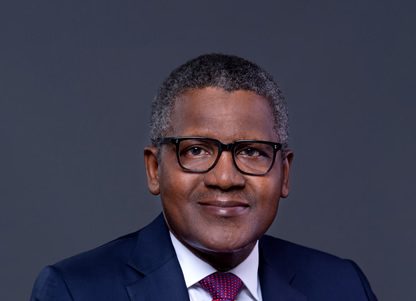
Nigeria’s energy landscape is bracing for a significant shake-up as Alhaji Aliko Dangote, President of the Dangote Group, unveils an ambitious strategy to make cooking gas (LPG) more affordable across the nation. This bold move, however, has ignited a fierce backlash from existing marketers, setting the stage for a potential “cooking gas war” over control and pricing in a vital domestic energy sector.
Dangote’s plan, announced during a recent tour of his sprawling refinery, centers on drastically reducing the price of Liquefied Petroleum Gas, which currently hovers between N1,000 and N1,300 per kilogramme. The overarching goal, he stated, is to make cooking gas accessible to the average Nigerian, thereby encouraging a nationwide transition away from traditional, less healthy cooking fuels like firewood and kerosene.
A critical component of this strategy hinges on the Dangote Refinery’s robust output, which is reportedly producing 22,000 tonnes of LPG daily, with plans to ramp up production for wider distribution. In a stark warning to current distributors, Dangote indicated that if they fail to cooperate in bringing down prices, his company would bypass them to sell directly to consumers.
This direct distribution model echoes a strategy the conglomerate is pursuing for other petroleum products, with petrol, diesel, and aviation fuel distribution to marketers via 4,000 Compressed Natural Gas (CNG)-powered buses reportedly commencing earlier in August. Recent reports indicate that Dangote Refinery has indeed absorbed significant logistics costs for PMS and diesel, even offering credit facilities to large buyers, actions that have already drawn caution from major marketers.
Also see: Okujagu Ama Power Project Set for Commissioning, Says LG Administrator
This assertive entry into the LPG downstream sector has triggered widespread apprehension and outright opposition from existing market operators. Godwin Okoduwa, former Chairman of the LPG and Natural Gas Downstream Group of the Lagos Chamber of Commerce and Industry (LCCI), has openly condemned Dangote’s plan as “monopolistic.
Industry stakeholders argue that the significant growth of Nigeria’s LPG market, which surged from 70,000 metric tonnes in 2007 to over 1 million metric tonnes in 2022, was a result of collaborative efforts involving the Federal Government, Nigeria LNG Limited (NLNG), and various private sector off-takers.
They vehemently insist that sustainable growth, especially for a nation with low per capita LPG consumption (currently under 5-6kg compared to double-digit figures in countries like South Africa and Morocco), must be built on cooperation, not a single entity’s dominance.
Marketers are urging Dangote to acknowledge and respect the substantial investments made by existing players who have contributed to building the market infrastructure and consumer base. Bassey Essien, Executive Secretary/Chief Executive Officer of the Nigerian Association of Liquefied Petroleum Gas Marketers (NALPGAM), has also voiced skepticism regarding the practicality of direct sales to end-users and the feasibility of a unilateral price crash, drawing parallels to the complex realities of petrol distribution in the country.
Instead of market disruption, industry experts suggest a collaborative path. Mr. Okoduwa proposed that the Nigerian LPG market has the potential to grow significantly to 5 million tonnes, emphasizing that a cooperative approach would ultimately benefit all parties and ensure broader energy access. He further challenged Dangote to channel efforts into developing LPG infrastructure in underserved regions with the lowest consumption, particularly in Nigeria’s Northeast, if the primary aim is truly to boost affordability and adoption of cooking gas nationwide.
The current landscape for cooking gas prices in Nigeria remains dynamic. While there have been reports of some price moderation in early 2025 following policies like the ban on LPG exports, volatility persists. For instance, reports indicate average prices for a 12.5kg cylinder fluctuated, seeing a decline from February to March 2025, but then a subsequent increase from March to April 2025, highlighting the ongoing impact of exchange rates, transportation costs, and supply chain efficiency.
Dangote’s intervention, backed by its substantial refining capacity, could introduce a new dimension to these market dynamics, potentially stabilizing prices by increasing domestic supply of propane and butane. However, its success in fundamentally altering the market structure and ensuring nationwide affordability will hinge on navigating distribution complexities and finding common ground with established market players.
