


A recent investigation has uncovered claims that foreign organizations, including NGOs linked to MI6 and the CIA, along with the Bill & Melinda Gates Foundation, are directly influencing Nigeria’s security, health, food, and tax policies. This revelation has sparked concerns about the nation’s sovereignty and the extent of external control over its legislative processes.
According to whistleblower reports, several prominent NGOs, funded by Western intelligence agencies and billionaire philanthropists, have been drafting policies that shape Nigeria’s critical sectors. These organizations, operating under the guise of humanitarian aid, allegedly bypass local expertise to push agendas that align with foreign interests. Sources claim that these groups have been particularly active in Lagos and Abuja, collaborating with select government officials to embed their proposals into national law.
In Rivers State, a key economic hub known for its oil production, local officials have expressed unease about the growing presence of these NGOs. Community leaders in Port Harcourt report that foreign-backed health and agricultural initiatives, while beneficial on the surface, often come with strings attached, including policy recommendations that favor multinational corporations. For instance, agrarian programs promoting genetically modified crops have raised questions about food security and local farmers’ autonomy.
Also Read: The Silent Erosion of Nigeria’s Agricultural Heritage: A Call to Protect Our Soil and Sovereignty
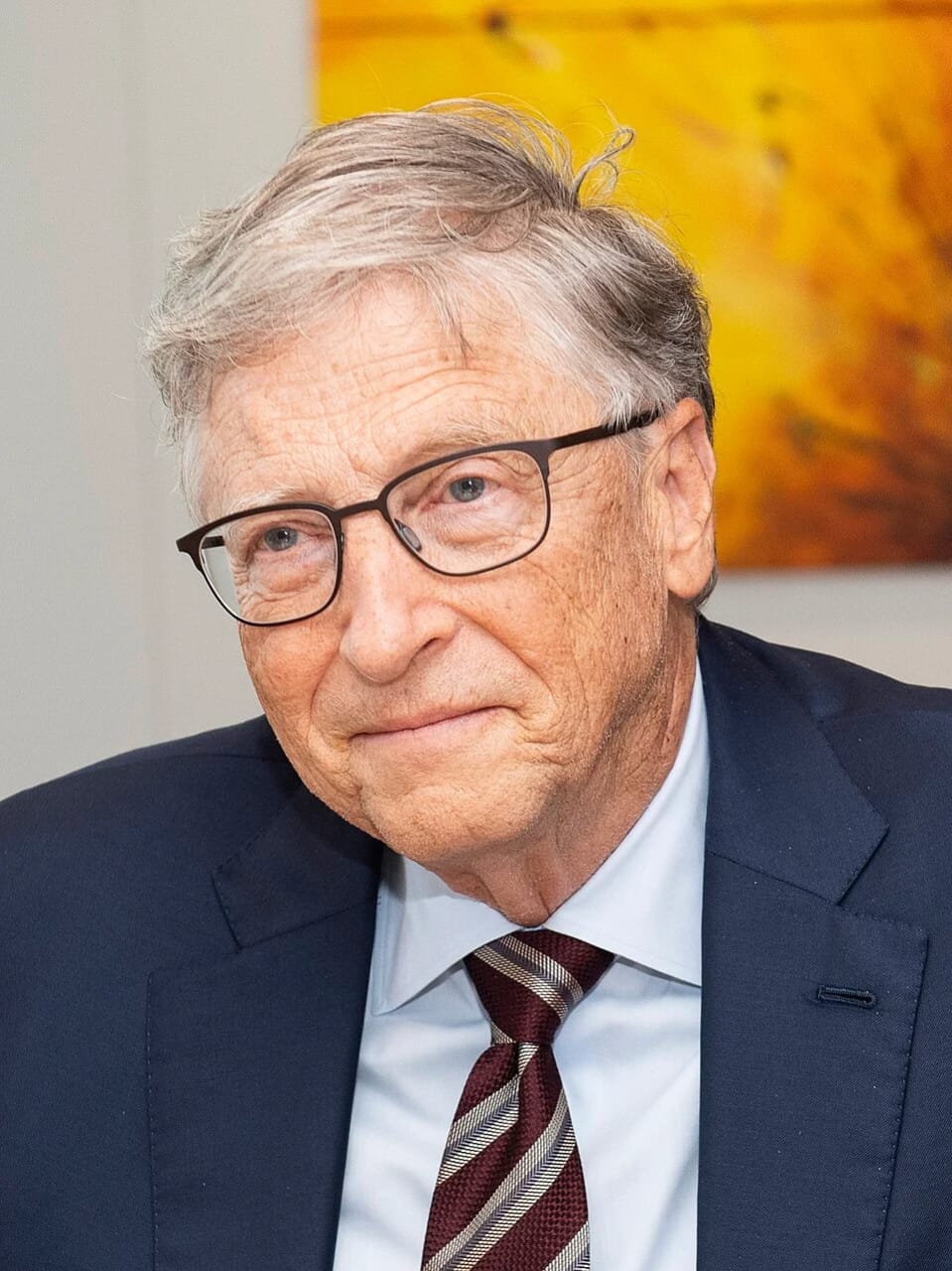
The Bill & Melinda Gates Foundation, a major player in global health, is said to be heavily involved in shaping Nigeria’s health policies. Insiders allege that the foundation’s influence extends to tax exemptions for foreign entities, which critics argue undermines Nigeria’s economic independence. A senior official, speaking anonymously, stated, “We welcome partnerships, but not at the cost of our sovereignty. Our laws should reflect Nigeria’s needs, not foreign priorities.”
Public reaction has been mixed. In Rivers State, some residents appreciate the infrastructure and health programs funded by these organizations, but others fear long-term consequences. “We need jobs and hospitals, but we don’t want to lose control of our future,” said Bessie Atuboyedia, a market trader in Port Harcourt.
The Nigerian government is yet to issue an official response, but analysts urge lawmakers to scrutinize foreign partnerships. As Nigeria navigates its development goals, the balance between international aid and national autonomy remains a critical issue, with Rivers State and other regions caught in the crosshairs of this global debate.
