


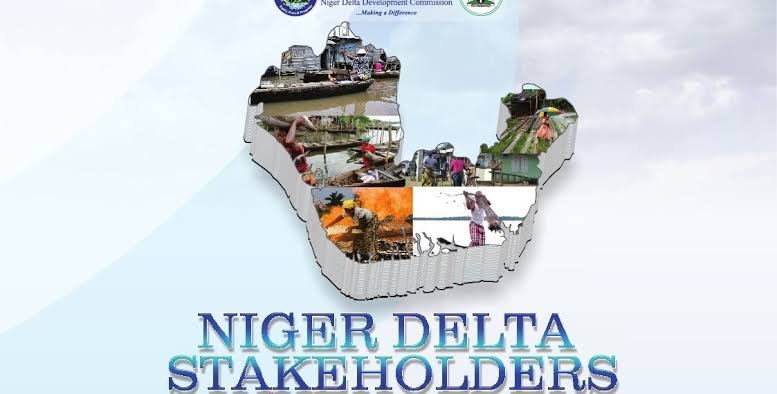
Stakeholders in Nigeria’s Niger Delta are calling for urgent security sector reforms to curb escalating cult-related violence, which has claimed 1,686 lives in 909 gang-related incidents from January 2020 to March 2025, according to SBM Intelligence. The South-South region, particularly Rivers State, bears the brunt of this crisis, fueled by government failures, political exploitation, and environmental degradation.
Professor Steven Wordu, a sociology expert at the University of Port Harcourt, attributed the surge in violence to deficiencies in security, well-being, and nation-building. “Drastic and comprehensive security sector reform is essential to address these regional challenges,” Wordu said during a stakeholders’ meeting in Port Harcourt on Wednesday.
The violence, concentrated in the South-South and South-West, is exacerbated by political actors who exploit gangs during elections, only to abandon them post-election, said Florence Ibok Abasi, a peace and security specialist. This practice, coupled with high unemployment in Rivers State, drives disenfranchised youth toward cultism and crime. “Politicians use these groups and then leave them jobless, fueling unrest,” Abasi noted.
Also see: Vocational Training Improves HIV Treatment Adherence in Nigeria, Study Shows
Environmental degradation further compounds the issue, destroying livelihoods and pushing individuals into illegal activities like artisanal oil refining and internet fraud, often linked to cultists. Abasi emphasised the need for “sincere efforts” to disarm gangs, encourage renunciation of cult membership, and reintegrate former members through empowerment programs with sustained follow-up.
Despite the urgency, stakeholders expressed concern over the lack of concrete initiatives to address these root causes. No current programs were cited for disarming or rehabilitating cultists, highlighting a gap in policy implementation.
The Niger Delta, a key oil-producing region, has long faced security challenges tied to resource conflicts and economic disparity. Stakeholders warn that without comprehensive reforms, the cycle of violence will persist, threatening regional stability.
Calls for action come as Nigeria grapples with broader security concerns, with experts urging synergy among agencies to tackle the multifaceted crisis. The government has yet to respond to the stakeholders’ demands for reform.
