


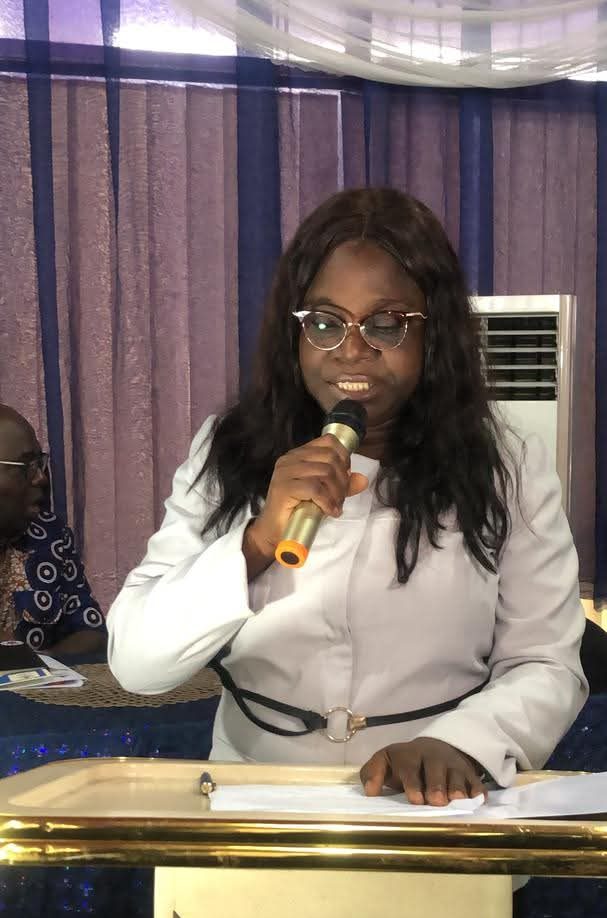
Rivers State government has reaffirmed its commitment to addressing the multifaceted challenge posed by drug abuse in society. In a broadcast message by the Ministry of Health on the occasion of the International Day Against Drug Abuse and Illicit Trafficking, Permanent Secretary of the Ministry, Dr Igwe Mekele, said that more women are getting involved in illicit drug abuse, and this has far-reaching consequences on families, communities, and society.
She called for public support for the government to tackle the plague of drug abuse and illicit trafficking. ”The global drug problem is a complex and evolving one, impacting individuals, families, and communities across the globe, from the devastating health consequences of drug use to the fatality of overdoses and the pervasive influence of organised criminal networks that fuel violence and undermine state institutions.”
Also see: Tinubu Set to Sign Tax Reform Bills into Law on Thursday
She explained that Rivers State Ministry of Health, in collaboration with partner agencies, has put in place programs to reduce stigmatisation of victims, educate the public, and provide facilities that would promote prevention of drug abuse and illicit trafficking.
”As a people, we are employed to have human-centred strategies to the drug problems, stopping stigmatisation and focusing on preventive measures while proffering initiatives, treatment, and recovery intervention services for people struggling with the use of hard drugs. The government of Rivers State has been intentional about the fight against drug abuse.”
Dr. Mekele called on community leaders to promote drug abuse preventive messages from the grassroots, as the fight against drug abuse requires the active participation of all. ”Rivers State Drug and Substance Abuse Control Committee has engaged a community and media-based sensitization campaign, creating awareness, educating the public on the dangers of drug abuse. Building resilience skills, especially among the vulnerable population. Concerted efforts have been made by the government to offer comprehensive care services to victims.”
