


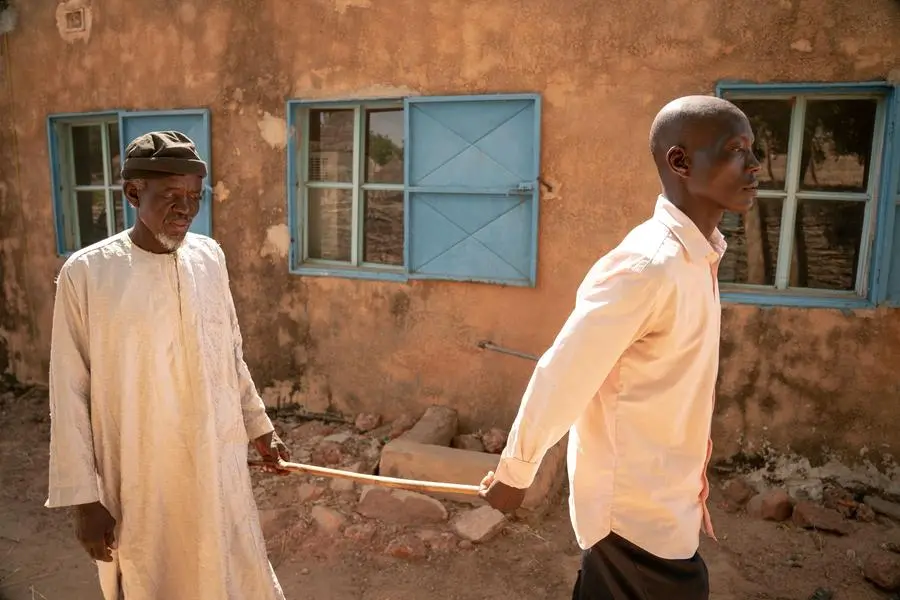
In the heart of West Africa, a silent war raged for decades—a battle against an enemy so small it could only be seen under a microscope, yet powerful enough to rob entire communities of their sight, livelihoods, and dignity. This was the fight against onchocerciasis, better known as river blindness, a disease caused by the parasitic worm Onchocerca volvulus, transmitted through the relentless bites of black flies breeding along fast-moving rivers.
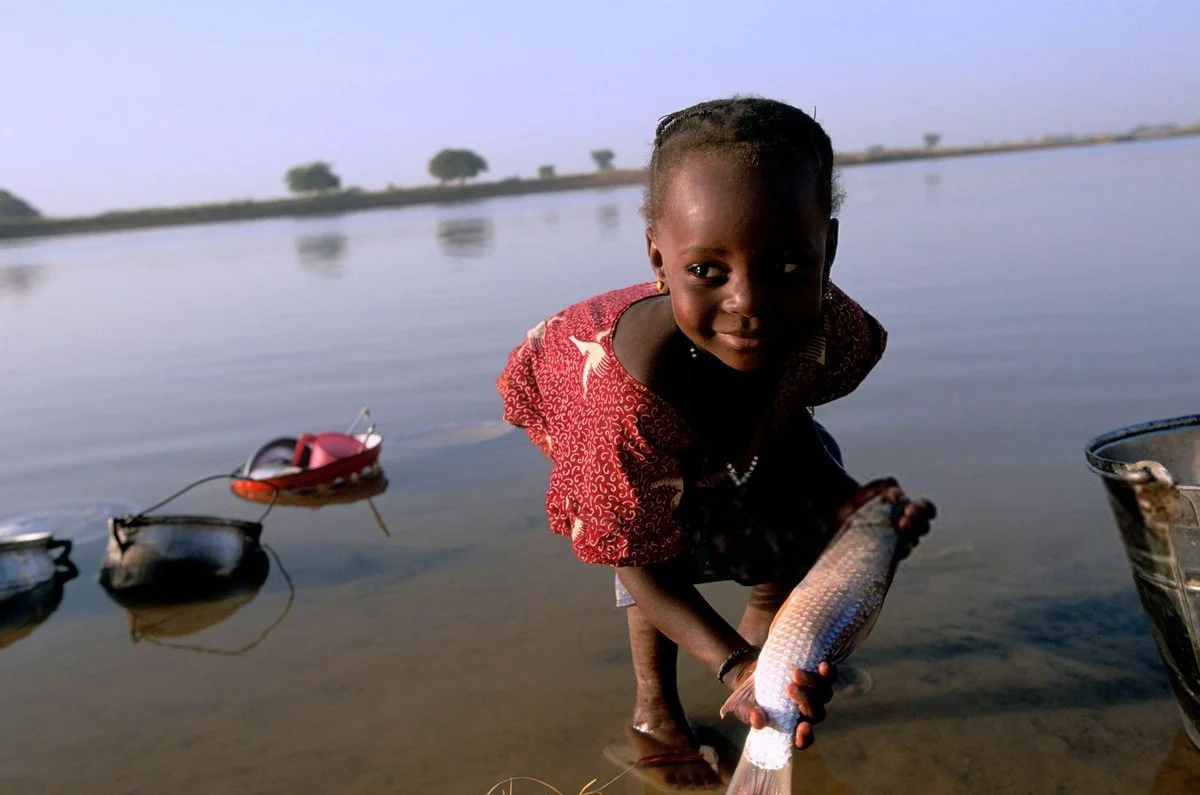
For generations, Niger’s riverbanks were not just sources of life and sustenance; they were also breeding grounds for an affliction that turned hope into despair. Blindness became an inheritance, forcing families to abandon fertile lands in search of safety, while those who stayed suffered excruciating itching and eventual loss of sight. But today, that painful history has been rewritten.
Niger has become the first African nation to eliminate transmission of river blindness, earning official verification from the World Health Organization (WHO). This is more than a public health milestone—it is a testament to perseverance, science, and the power of community-driven action.
A Disease That Stole Generations
In the 1970s, river blindness was rampant across West Africa. Villages near rivers saw entire families stricken, their futures dimmed by blindness. The black fly, a seemingly insignificant insect, carried the parasite that burrowed into human flesh, causing unbearable itching and, over time, irreversible damage to the optic nerves. The disease devastated not only individuals but also economies, as those affected could no longer farm, fish, or contribute to their communities.
Faced with this crisis, Niger took decisive action. Between 1976 and 1989, the country deployed an aggressive vector control strategy, targeting black fly breeding sites with carefully rotated larvicides to prevent resistance. Helicopters rumbled across the skies, spraying rivers to halt the parasite’s life cycle. By 2002, the once widespread infection had been reduced to a trickle, with only a few isolated cases in hard-to-reach areas.
But Niger knew that victory could not be declared too soon. Surveillance continued for over a decade. Between 2008 and 2019, the government ramped up its strategy, combining mass drug administration (MDA) with ivermectin and albendazole, originally used to combat lymphatic filariasis. This two-pronged approach wiped out the last remaining traces of the parasite, ensuring that river blindness would not return.
A Model for Africa and the World
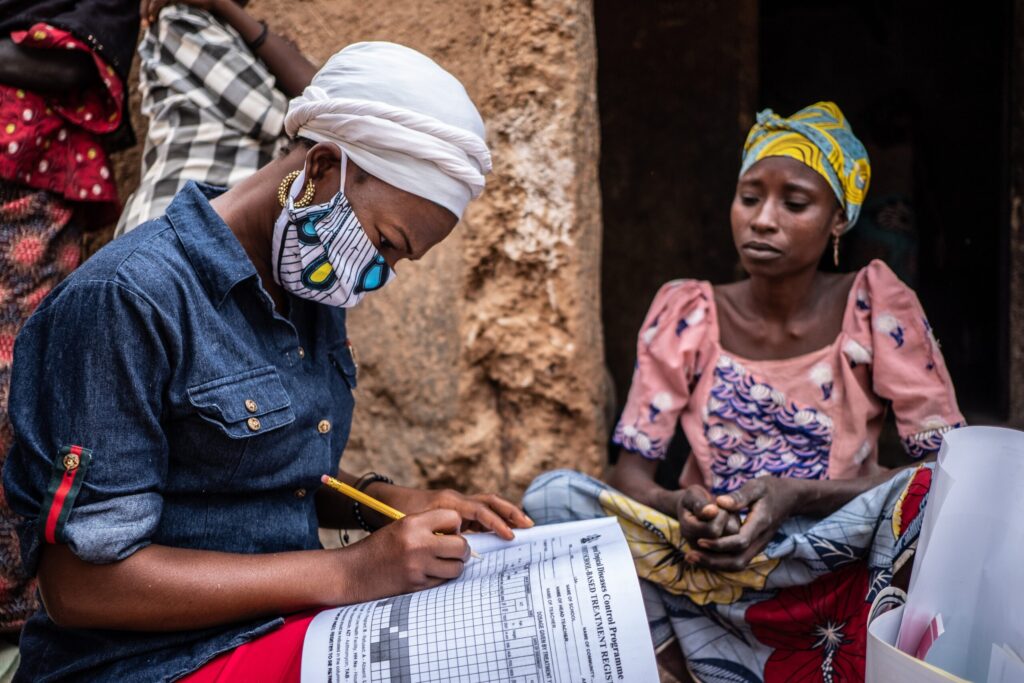
This achievement did not happen in isolation. It was the result of a collaborative effort between Niger’s Ministry of Health, the United States Agency for International Development (USAID), Helen Keller International, the End Fund’s Reaching the Last Mile Program, WHO, and thousands of dedicated community health workers. These unsung heroes, many of them volunteers, ventured into remote villages to administer treatment, educate communities, and track progress.
“Niger’s success is a testament to the power of long-term, sustained investments, country ownership of health goals, and effective public-private partnerships,” says Dr. Salissou Adamou Batchiri, Niger’s national coordinator for lymphatic filariasis and onchocerciasis.
The economic impact of this victory is just as profound as its medical significance. With river blindness no longer a threat, thousands of people have returned to farming and fishing, reclaiming lands once abandoned in fear. According to Dr. Yaobi Zhang, Senior Scientific Advisor at Helen Keller International, this elimination has unlocked billions of dollars in economic potential.
A Blueprint for the Future
Niger’s achievement is historic, but it is only the beginning. WHO has set ambitious targets to eliminate river blindness transmission in multiple countries by 2030. The lessons learned from Niger’s journey—sustained investment, rigorous surveillance, and strong political commitment—serve as a blueprint for other nations still grappling with the disease.
“Through hard work and collaboration, we have managed to eliminate this terrible disease,” says Dr. Garba Hakimi, Niger’s Minister of Public Health, Population, and Social Affairs. “We may be the first endemic country in Africa to achieve verification, but we will not be the last.”
The road ahead remains challenging. Across Africa, millions are still at risk. To truly eradicate river blindness, continuous drug distribution, enhanced surveillance, and new innovations will be essential. But Niger has shown that with relentless determination, even the most entrenched diseases can be defeated.
For a country once plagued by the darkness of river blindness, a new dawn has arrived—one where future generations can live, work, and thrive without fear. And in this victory, Niger has not only reclaimed its rivers but has also reclaimed its future.
