


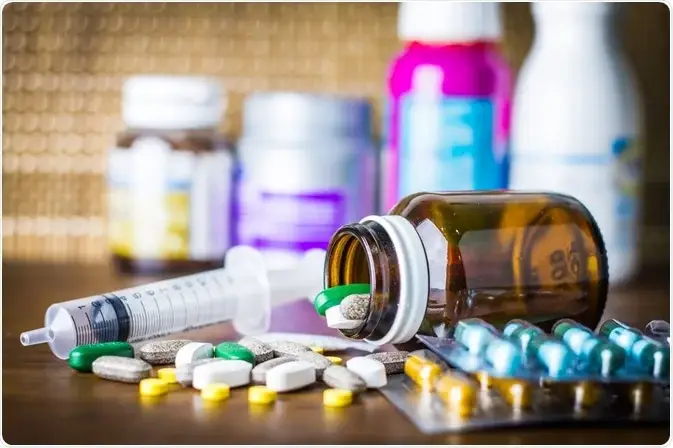
In Nigeria, the high cost of life-saving medications is a significant burden for many patients, leading to dire health consequences. Many individuals, unable to afford their prescribed drugs, resort to dangerous practices such as skipping doses, using less effective substitutes, self-medicating, or turning to traditional healers. This situation is exacerbated by the country’s economic challenges and the failure of government initiatives aimed at reducing healthcare costs.
For instance, the Nigerian government launched the Chemotherapy Access Treatment (CAP) program in 2019, which promised to reduce cancer treatment costs by 50%. However, many patients report that these benefits have not materialized, with treatment costs remaining prohibitively high. Cancer patients, in particular, face exorbitant expenses. A full chemotherapy session can cost between N600,000 and N2 million, and radiotherapy can cost N600,000 every 28 days
Despite the inclusion of cancer treatments in the National Health Insurance Scheme in 2018, coverage remains limited and unclear. The lack of adequate infrastructure, such as radiotherapy machines and trained oncologists, further complicates access to affordable care. Currently, Nigeria has only about 10 functional radiotherapy machines, far below the 200 recommended by the World Health Organization (WHO), and just 70 radiation oncologists, of whom only 20 work in adequately equipped centers
This financial strain forces many patients to seek funds from friends, family, or public appeals. The time spent fundraising often allows diseases like cancer to progress to more severe stages, making treatment less effective and more costly in the long run. The economic burden is also highlighted in a study revealing that 89% of Nigerian cancer patients pay out of pocket for their treatments, compared to 45% in Ghana and 8% in Kenya, where national health insurance schemes cover most costs
Overall, the high cost of medications and inadequate healthcare infrastructure in Nigeria significantly impact patient outcomes, leading to higher mortality rates and a pervasive sense of despair among those battling severe illnesses.
