


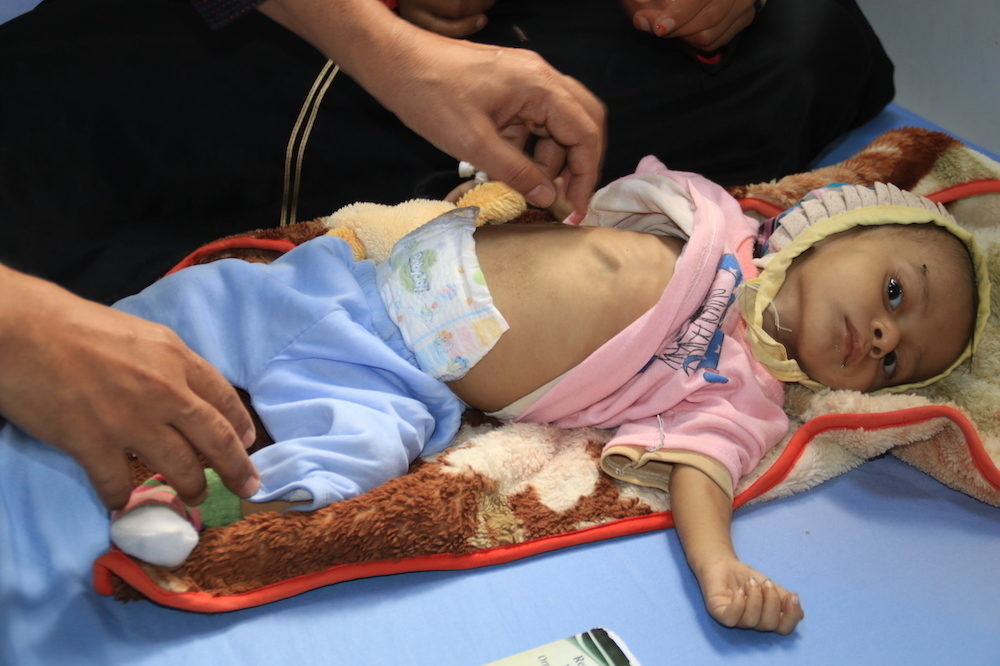
No fewer than 6.3 million children under the age of 15 died from mostly preventable causes in 2017, a group of UN agencies said in a new mortality estimates study.
The estimate is the equivalent to one child dying every five seconds, according to the new report compiled by the UN Children’s Fund (UNICEF), together with the World Health Organisation (WHO), the UN Population Division and the World Bank.
According to the report covering all 183 UN Member countries, including Nigeria, around 56 million children under-five would also die between 2018 and 2030 while newborn babies account for half of the deaths.
The study: ‘Levels and Trends in Child Mortality: Estimates developed by the UN Inter-agency Group for Child Mortality Estimation’, spelt out estimates of mortality among children under age five and children aged five to 14.
According to Laurence Chandy, UNICEF Research Director, major progress in reducing child mortality has been made in the last quarter century, with the toll dropping by more than half since 1990.
Chandy, however, said “millions are still dying because of who they are, and where they are born”.
He added that “with simple solutions like medicines, clean water, electricity and vaccines, we can change that reality for every child”.
Children from Sub-Saharan African are disproportionately affected, with half all deaths of under-fives taking place in the region.
Most deaths of children aged five and under were due to preventable or treatable causes such as pneumonia, malaria or complications during birth.
For older children, between the ages of five and 15, injuries became a more prominent cause of death, particularly road accidents and drowning.
Even within countries, wide disparities are found, with under-five mortality rates on average 50 per cent higher in rural areas than in urban areas.
Education was also a factor, with those born to uneducated mothers more than twice as likely to die before turning five than those born to mothers with a secondary or higher education.
Reacting to the study, Tim Evans, Senior Director of Health Nutrition and Population at the World Bank, called for investment in health of young people to prevent infant deaths.
“Ending preventable deaths and investing in the health of young people is a basic foundation for building countries’ human capital, which will drive their future growth and prosperity,” Evans said.
CREDIT: NAN
