


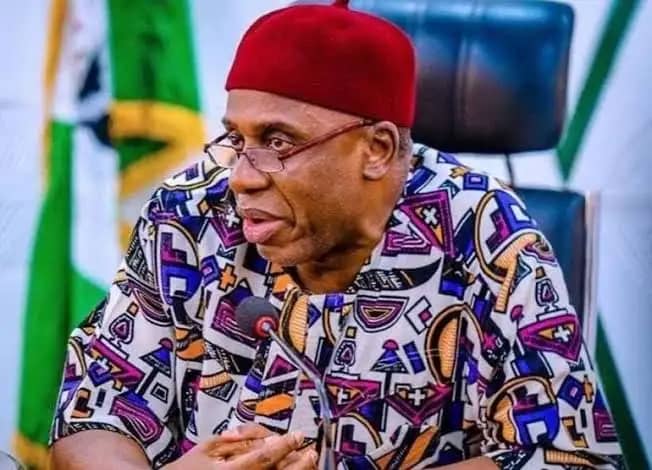
Former Transportation Minister and ex-Governor of Rivers State, Rotimi Amaechi, announced his resignation from the ruling All Progressives Congress on Wednesday, July 2, 2025. The high-profile defection, made public during the unveiling of the interim executive of the African Democratic Congress in Abuja, signals a bold move to challenge the APC’s dominance ahead of the 2027 general elections.
Amaechi, a prominent figure in Nigerian politics, cited the country’s deteriorating economic and social conditions as the driving force behind his decision. “Nigeria is in a state of disrepair,” he said, addressing a crowd of supporters and party officials. “I can no longer remain silent or part of a system that has failed its people.” His resignation comes as the nation grapples with a 3.4 percent GDP contraction in 2024, according to the World Bank, fueled by oil dependency and escalating insecurity in key regions.
The former minister’s shift to the ADC, a party positioning itself as a grassroots movement for the working class, underscores a strategic realignment. Amaechi revealed plans to lead an opposition coalition aimed at unseating the APC, which has governed since 2015. This move could weaken the APC’s stronghold in southern Nigeria, where Amaechi retains significant influence from his gubernatorial tenure and his role in delivering key infrastructure projects, including the Lagos-Ibadan railway.
Also see: Rivers Police Nabs Two Suspects Over Alleged Attack On CDC Chair
President Bola Tinubu’s administration, which took office in 2023, faces mounting criticism. A recent 2025 Afrobarometer survey pegs Tinubu’s approval rating at a mere 32 percent, down from 43 percent in his first year, amid soaring inflation and unemployment. Amaechi’s defection may capitalise on this discontent, offering a fresh political alternative.
The ADC’s interim executive unveiling in Abuja drew a mix of enthusiasm and scepticism. Political analysts suggest Amaechi’s experience and network could bolster the party, which currently holds only two seats in the National Assembly. However, rivals within the APC dismissed the move as a desperate bid for relevance, with party spokespersons vowing to retain their voter base.
As Nigeria braces for a contentious pre-election period, Amaechi’s next steps, particularly his ability to unify opposition forces, will be closely watched. For now, his resignation marks a pivotal moment in the nation’s evolving political landscape.
