


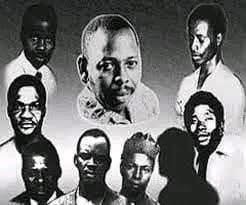
Amnesty International Criticises Tinubu’s Pardon of Ogoni Nine as Insufficient
On June 12, 2025, during Democracy Day, President Bola Tinubu granted a pardon to the late environmental activist Ken Saro-Wiwa and eight co-campaigners, collectively known as the Ogoni Nine. The activists—Saro-Wiwa, Barinem Kiobel, John Kpuinen, Baribor Bera, Felix Nuate, Paul Levula, Saturday Dobee, Nordu Eawo, and Daniel Gbokoo—were executed on November 10, 1995, under Gen. Sani Abacha’s military regime for their leadership in the Movement for the Survival of the Ogoni People, protesting oil pollution in the Niger Delta.
Amnesty International, while acknowledging the pardon as a positive step, criticised it as inadequate. In a statement on June 13, 2025, Isa Sanusi, Nigeria’s Director for Amnesty International, emphasised that the pardon does not deliver full justice. “This is welcome news, but it falls far short of the justice the Ogoni Nine need and deserve—the Nigerian government must formally recognise their innocence and fully exonerate them,” Sanusi said.
Also see: Terror in Rivers as Cult Clashes Turn Communities into War Zones
Sanusi accused the government of using the executions to suppress protests against environmental degradation and protect multinational oil companies, particularly Shell, from accountability. He described the Ogoni Nine’s execution as an attempt to conceal the “crimes of Shell and other oil companies” that continue to devastate Niger Delta communities.
Amnesty International called for further action, including formal exoneration of the Ogoni Nine, accountability for oil companies, and comprehensive compensation and cleanup for decades of oil spills and gas flaring. “Full justice for the Ogoni Nine is only a first step. Much more needs to be done to address the environmental damage in the Niger Delta,” Sanusi added.
