


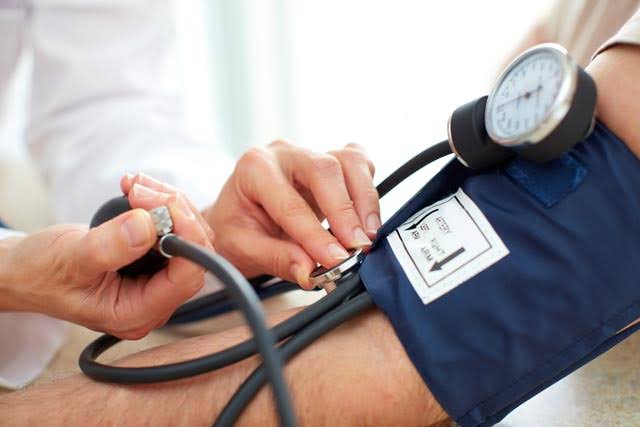
As the world marks World Hypertension Day this May, health experts and advocates are raising the alarm over the rising prevalence of high blood pressure and the urgent need for lifestyle changes, particularly reduced salt consumption in Nigeria.
Hypertension, often referred to as the “silent killer,” is a medical condition in which blood pressure in the arteries remains persistently elevated.
While it typically shows no symptoms, it significantly increases the risk of stroke, heart failure, kidney disease, arrhythmia, and dementia. Globally, the condition contributes to millions of premature deaths each year.
According to the World Health Organization (WHO), an estimated 46 percent of adults with hypertension are unaware of their condition. Only 42 percent are diagnosed and treated, and just 21 percent have it under control.
In Nigeria, the Nigerian Hypertension Society (NHS) estimates that 30 percent of adults live with hypertension, but only 10 percent receive treatment and less than 2.5 percent have their blood pressure under control.
In line with WHO’s global target to reduce hypertension prevalence by 33 percent by 2030, experts are focusing on the primary risk factors: unhealthy diets, physical inactivity, smoking, excessive alcohol consumption, and obesity. Sodium intake primarily from salt is a critical concern.
Though sodium is essential for nerve function and fluid balance, excess intake is a leading contributor to high blood pressure. The WHO recommends a daily intake of no more than 2 grams of sodium (or 5 grams of salt, about one teaspoon). However, Nigerians consume an estimated 5.8 grams of salt daily, far exceeding the safe threshold.
Also Read: Experts Raise Alarm Over Unlabelled Processed Food Fueling Health Crisis in Nigeria
During the 2024 Salt Awareness Week, Coordinating Minister of the Federal Ministry of Health and Social Welfare, Prof. Ali Pate, revealed that at least 10 percent of cardiovascular-related deaths in Nigeria are linked to excessive sodium consumption.
To address this, the Nigerian government launched the National Sodium Reduction Guidelines in April, an initiative developed by the Federal Ministry of Health with support from Corporate Accountability and Public Participation Africa (CAPPA) and other stakeholders.
At the guideline’s launch, Minister of State for Health and Social Welfare, Dr. Iziaq Adekunle Salako, urged the National Agency for Food and Drug Administration and Control (NAFDAC) to begin enforcing sodium limits.
He also called on the food industry to reformulate products, assuring that such efforts would not hinder profitability but instead protect public health.
Esi-ife Arogundade, a Healthy Food Advocate at Corporate Accountability and Public Participation Africa (CAPPA), has also called on the Federal Government to speed up the development of enforceable regulations on sodium levels in processed and packaged foods.
The organization is strongly advocating for front-of-pack labeling a system that provides clear nutritional information on product packaging.
“Front-of-pack labels empower consumers to make healthier choices quickly and easily,” said a statement by CAPPA. “They also encourage manufacturers to reduce sodium levels, fostering a healthier food environment.”
Public health experts stress that addressing hypertension requires a multi-faceted approach, including quitting smoking, reducing alcohol intake, increasing physical activity, and monitoring blood pressure regularly.
As World Hypertension Day is observed, health advocates urge Nigerians to be more aware of their salt intake and to make informed dietary choices that prioritize long-term well-being.
