


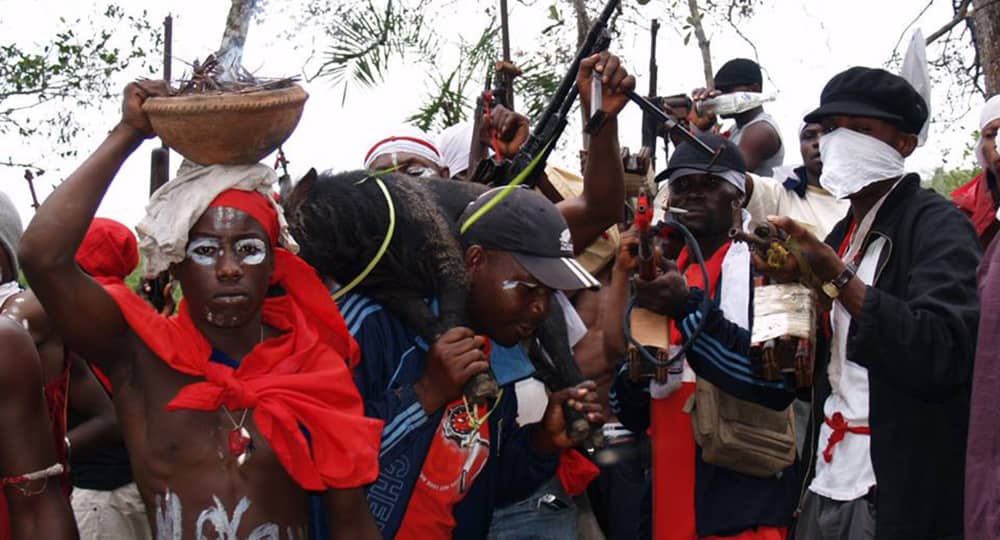
The recent killing of a youth leader in Omoku has once again brought the issue to the front burner. Reports of gunmen attacking communities, settling scores, and targeting individuals have left many people uneasy. Families, traders, students and business owners now worry about their safety in ways that were not as common years ago.
Security challenges in Rivers State are not entirely new. However, what worries many observers is the frequency and boldness of recent attacks. Cult groups that once operated in secrecy now appear to act more openly in some communities. This has raised questions about how these groups recruit young people, how they fund their operations and why they seem difficult to dismantle.
For many young people in Rivers State, the lure of cultism often begins with unemployment, peer pressure and the promise of protection or quick money. In a city where survival can be tough, vulnerable youths sometimes see these groups as a shortcut to power and respect. Unfortunately, this path often leads to violence, prison or death. This reality affects economic growth and reduces the confidence of investors.
Community leaders and civil society groups have repeatedly called for stronger intelligence gathering, youth empowerment programmes and closer collaboration between security agencies and residents. Many believe that tackling cult violence is not only about arrests but about addressing the root causes such as poverty, drug abuse and lack of opportunities.
Also see: Nigerians Hold Their Hearts In Their Hands As FIFA Nears Verdict
The government has promised to improve security, but citizens want to see more visible and lasting results. They want safer streets, quicker response to distress calls and sustained engagement with communities.
For Port Harcourt to truly maintain its reputation as the Garden City, peace and safety must be prioritised. Security is not just the responsibility of the government alone. Parents, religious institutions, schools, traditional rulers and young people all have roles to play in rejecting violence and promoting a culture of peace.
The future of Port Harcourt depends on whether residents and leaders can work together to defeat insecurity and restore confidence in the safety of the state.
