


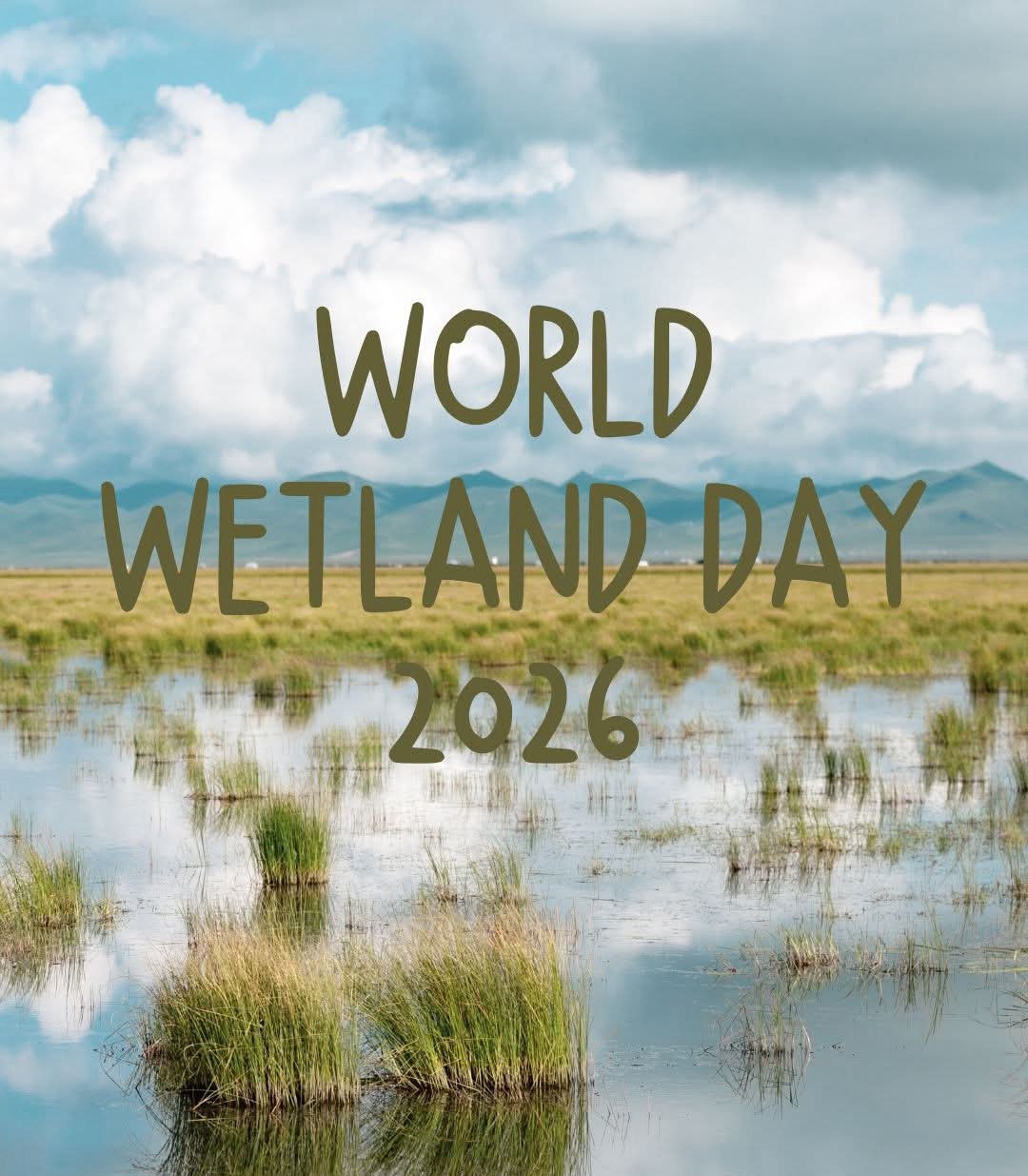
As the global community observes World Wetlands Day on Monday 2 February 2026 with the theme “Wetlands and traditional knowledge: Celebrating cultural heritage”, the Hydrocarbon Pollution Remediation Project (HYPREP) has recorded major milestones in breathing life back into oil-ravaged mangroves of Ogoniland, Rivers State.
In a statement by the Project Coordinator, Professor Nenibari Zabbey, the project has successfully completed Phase One of its ambitious mangrove restoration programme, covering 560 hectares of heavily degraded wetlands polluted by decades of hydrocarbon spills.
Professor Zabbey stated that HYPREP has also reported over 76 per cent completion of Phase One shoreline cleanup across impacted Ogoni communities.
The Project Coordinator described the intervention as a deliberate fusion of cutting-edge science and indigenous wisdom.
He explained that the restoration effort features large-scale planting of five native mangrove species — notably black, white and red varieties — carefully arranged to replicate the natural zonation patterns historically observed in Ogoni creeks.
According to the statement, Fish species absent for years have reappeared, enabling local fisherfolk to record improved catches while Women and youths have resumed harvesting periwinkles, offering tangible relief to households whose livelihoods were shattered by chronic pollution.
The statement added that Prof. Zabbey attributed the gains to robust collaboration among community leaders, residents, civil society organisations and relevant government bodies.
He urged continued partnership, firmer policy commitment and unwavering vigilance against fresh pollution to protect Nigeria’s remaining wetlands.
