


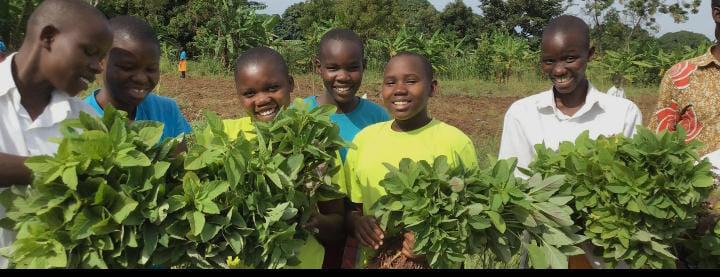
Schools in Ahoada West Local Government Area have begun school garden projects. These initiatives combine environmental education with practical skills and improved nutrition. Students learn about farming, ecology, and sustainable living. They grow vegetables and fruits within school premises. This hands-on approach teaches children where food comes from. It encourages healthy eating habits. The gardens also serve as outdoor classrooms. They provide a living laboratory for science lessons. The program helps schools become self-sufficient in producing some fresh produce.
The garden projects started in five pilot schools. Students, teachers, and community volunteers participate in planting and tending the gardens. They cultivate crops like maize, beans, vegetables, and plantains. The harvest supplements school feeding programs. It also provides fresh ingredients for home consumption. Local farmers offer their expertise. They guide students on best agricultural practices. This community involvement strengthens the program.
Read more: APC Leaders Push for Rivers Assembly Takeover
“My children now enjoy eating vegetables,” said Mrs. Ebere Chukwu, a parent. “They even help me plant at home because of the school garden.” A student, John Bassey, proudly stated, “We learned about soil types and watering plants. It is much better than just reading books.” School heads report increased student engagement. They see a positive impact on attendance.
The Ahoada West Education Board secured tools and seeds for the schools. Environmental non-governmental organizations provide additional support. They offer workshops on organic farming and composting. This ensures the gardens remain sustainable. The program plans to expand to all primary and secondary schools. It aims to integrate garden activities into the science curriculum.
“These gardens are a living lesson,” stated Mr. Felix Obinna, a school principal. “They teach responsibility, patience, and healthy choices.” He added, “The fresh produce helps our students concentrate in class.” The initiative promotes food security within communities. It fosters a generation aware of environmental stewardship. The school gardens are tangible symbols of learning and growth. They serve as valuable resources for the students.
