


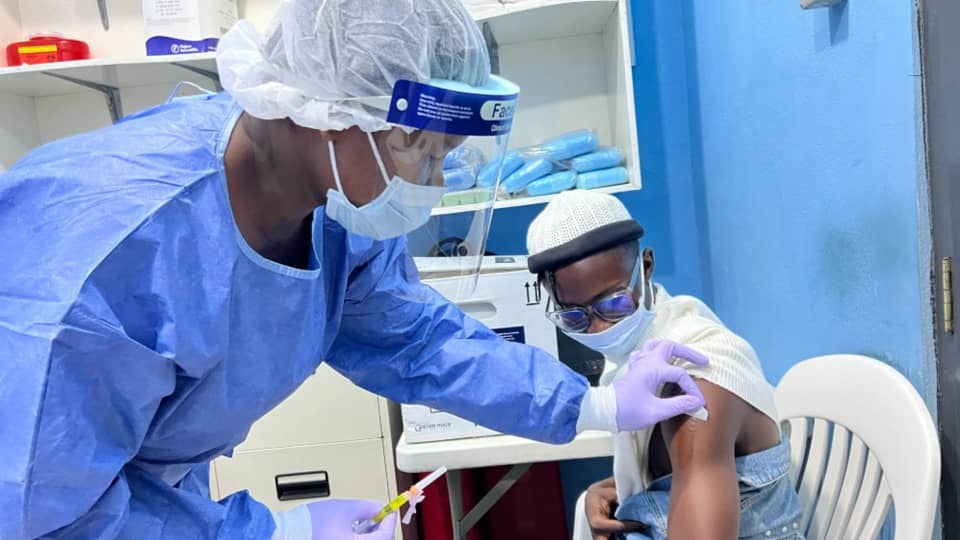
A significant milestone in the decades-long battle against Lassa fever was reached on Thursday, January 15, 2026, as researchers announced that a candidate vaccine has officially entered its first-in-human clinical trials. Developed by the University of Oxford’s Pandemic Sciences Institute with support from the Coalition for Epidemic Preparedness Innovations (CEPI), the trial marks a critical shift toward preventive medicine for a disease that has historically been neglected by major pharmaceutical interests.
The vaccine, known as ChAdOx1 LassaJ, utilizes the same viral vector platform that underpinned the Oxford-AstraZeneca COVID-19 vaccine. According to the Oxford Vaccine Group, the Phase 1 trial in the United Kingdom has already seen six volunteers receive the dose, with 31 participants expected in total. Early results indicate the vaccine is well-tolerated, with only mild side effects such as fatigue and localized arm pain reported.
Nigeria remains the epicenter of the Lassa virus globally. According to the latest year-end report from the Nigeria Centre for Disease Control (NCDC), the country recorded 215 deaths and 1,148 confirmed cases across 22 states by the final week of December 2025. Despite a slight decline in total infections compared to 2024, the case fatality rate (CFR) rose to a worrying 18.7%, driven largely by late presentation at health facilities.
The launch of these trials in the UK rather than in the endemic regions of West Africa has sparked a necessary dialogue regarding research ethics and global health equity. Mostly because the U.K isn’t a hotspot for the disease like Nigeria and the other parts of West Africa are.
Read more: Bayelsa Targets Children in New Vaccination Drive
Rearchers argue that Phase 1 trials—which focus purely on safety rather than efficacy—require established, stable laboratory infrastructure to monitor minute biological changes. However, a delayed entry of the vaccine into African clinics can lead to “scientific lag,” where the vaccine is optimized for a demographic that does not bear the disease burden. To bridge this, CEPI has invested in the LEAP4WA consortium to ensure Nigeria is trial-ready for Phase 2 by mid-2026.
There is a persistent assumption that a “working vaccine” is the final solution. The truth is more complex. Social science studies currently funded by CEPI in Nigeria, Liberia, and Sierra Leone reveal that community trust is the real hurdle. Without addressing the “ritual” stigmas often associated with hemorrhagic fevers in rural areas, the vaccine may face the same resistance seen during the 2014 Ebola crisis.
While the medical community focuses on the vaccine, an alternative perspective suggests that without improving environmental sanitation and rodent control (the Mastomys natalensis rat), a vaccine is merely a “band-aid.” Nigeria’s 18.7% death rate is a symptom of a systemic failure in the primary healthcare and sanitation sectors, not just a lack of immunization.
The truth is that even this vaccine is a preventive tool,not a cure. For the 89% of confirmed cases concentrated in Ondo, Bauchi, Edo, and Taraba, the immediate need remains
affordable access to Ribavirin and early diagnostic kits, which are often in short supply during the peak dry season.
As the Oxford trial comes to West Africa later this year, the Lassa Fever Coalition—comprising Nigeria and four other West African nations—is working to ensure that when a licensed vaccine finally arrives, it is priced for access rather than profit.
