


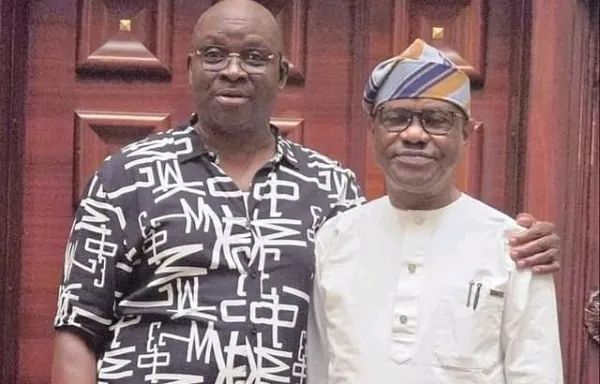
Former Ekiti Governor Ayo Fayose recently asserted during a Television interview that President Bola Tinubu prioritizes Federal Capital Territory Minister Nyesom Wike over Rivers State Governor Siminalayi Fubara in the ongoing political tensions. Fayose emphasized Wike’s electoral support for Tinubu and his effective administration in Abuja as key factors. This perspective invites examination of its strengths and weaknesses in the context of Nigerian politics.
Strengths emerge from Fayose’s focus on political alliances. Wike provided crucial backing to Tinubu during campaigns, fostering loyalty within the All Progressives Congress. His role in securing APC victories in Rivers local elections demonstrates tangible contributions. Additionally, Wike’s improvements in Abuja infrastructure, as Fayose highlighted, enhance the president’s agenda, creating visible progress that bolsters party credibility. Such pragmatic alliances sustain stability at the federal level, allowing leaders to consolidate power through reliable partners.
Read more: FG Moves to Enforce 0.5% Levy in Downstream Sector
Weaknesses appear in the potential oversight of state-level dynamics. Fayose’s view centers on Wike’s value, yet Fubara holds elected authority in Rivers, where the crisis stems from disputes over party control and assembly autonomy. Prioritizing one figure could prolong instability, affecting governance and public services in the state. Interventions by the president, as reported, aim for resolution, suggesting a need for balanced mediation to uphold democratic processes. Fayose’s dismissal of Fubara’s outreach as arrogance overlooks opportunities for dialogue that could restore harmony.
Overall, Fayose’s statement captures the realities of political patronage in Nigeria, where personal loyalties often shape decisions. It also underscores the challenge of reconciling federal interests with regional autonomy. Leaders benefit from weighing both immediate gains and long-term peace to foster inclusive governance.
