


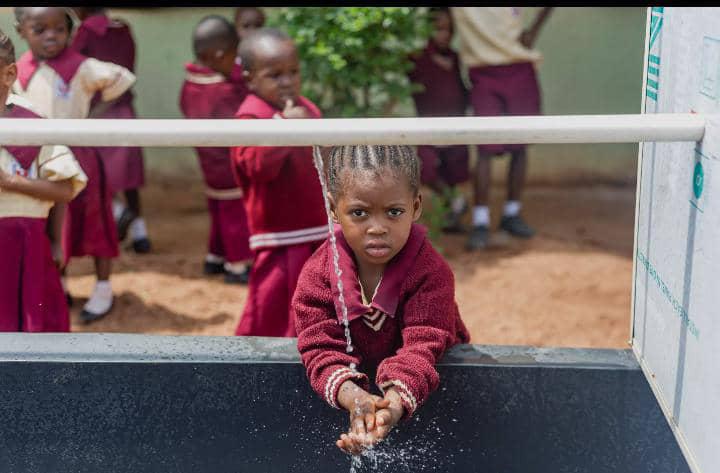
Recognizing the crucial link between health, hygiene, and effective learning, the Rivers State Government, in collaboration with UNICEF and local community partners, has launched a comprehensive school sanitation and hygiene project across public primary and secondary schools in Tai Local Government Area. This vital initiative aims to significantly improve access to clean water, functional toilet facilities, and promote good hygiene practices among students and staff. The project in Tai underscores the state’s commitment to providing a healthy and conducive learning environment, essential for the holistic development of every child.
The initiative involves the construction of new, modern toilet blocks, separate for boys and girls, equipped with running water and handwashing stations. Additionally, boreholes are being drilled in schools lacking reliable water sources, ensuring a consistent supply of potable water for drinking and sanitation. Beyond infrastructure, the program includes extensive hygiene education campaigns, teaching students the importance of handwashing, proper waste disposal, and menstrual hygiene management. School health clubs are also being established to sustain these practices and promote peer education.
Read more: New Special Education Support Launched in Degema LGA
“The old toilets were a major problem; many children avoided using them, which led to health issues. These new facilities are clean and have water, making a huge difference for our students’ health,” commented Mrs. Sarah Nwafor, a headmistress in Tai, expressing her relief.
During the inauguration ceremony in Bunu, the Commissioner for Health, Dr. Ipalibo Harry, emphasized the profound impact of proper sanitation on public health and educational outcomes. “A healthy child is a learning child. By prioritizing school sanitation and hygiene in Tai, we are not only protecting our children from preventable diseases but also creating an environment where they can learn comfortably and thrive academically,” he stated. He urged communities to take ownership of the new facilities and ensure their proper maintenance, highlighting the long-term benefits for the entire community.
The project has been warmly received by students, parents, and teachers. Many recounted the challenges faced due to inadequate or dilapidated facilities, which often led to discomfort, embarrassment, and even absenteeism, particularly among adolescent girls during their menstrual cycles. The new facilities are expected to significantly mitigate these issues, fostering a more inclusive and supportive school environment.
“I used to dread going to the toilet at school because it was always dirty and smelly. Now, they are clean and have water, so I feel much safer and comfortable,” shared Gift Sunday, a female secondary school student, highlighting the improved dignity.
Parents expressed gratitude for the government’s focus on these often-overlooked aspects of school infrastructure. They recognized that a clean and healthy school environment is just as important as classroom quality for their children’s well-being. “It’s good to know that our children are learning in a clean environment. This will reduce sickness and make them happier at school,” said Mr. David Worgu, a parent.
