


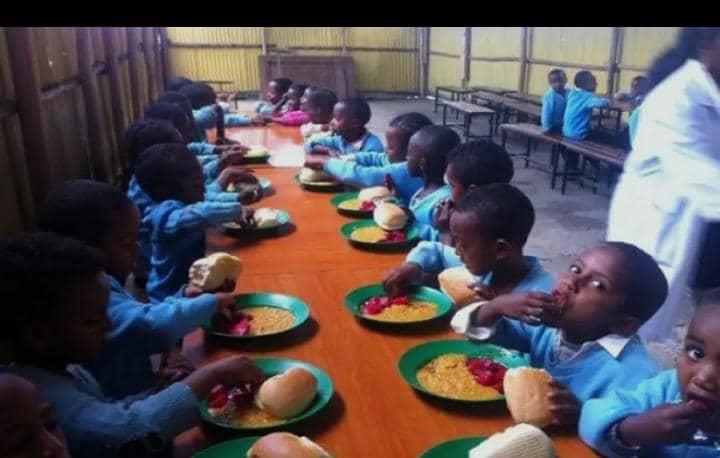
In a significant move to enhance student welfare and boost school enrollment figures, the Rivers State Government has announced a substantial expansion of its acclaimed Homegrown School Feeding Program.
This initiative, which provides nutritious meals to pupils in public primary schools, is set to reach more communities and a larger number of children, particularly in underserved areas across Port Harcourt and beyond. The expansion underscores the government’s unwavering commitment to ensuring that no child is left behind due to hunger or economic hardship, recognizing that a well-fed child is better equipped to learn and thrive academically.
The expanded program aims to not only alleviate hunger among pupils but also to address issues of malnutrition and improve overall health outcomes. Regular access to balanced meals has been proven to enhance concentration in classrooms, reduce absenteeism, and positively impact cognitive development. For many families facing economic challenges, the promise of a free, nutritious meal acts as a powerful incentive to send their children to school, thereby increasing enrollment and retention rates in public primary institutions. This is a critical step towards achieving universal primary education in the state.
“My children actually look forward to going to school now because of the food. It’s a huge help for me as a single mother; I know they’ll get at least one good meal a day.” – Mrs. Eberechukwu Eze, ParentLocal food vendors and farmers are also significant beneficiaries of this initiative.
The ‘Homegrown’ aspect of the program means that meals are sourced from local agricultural produce, creating a robust value chain within the state. This strategy provides a ready market for local farmers, stimulating agricultural production and contributing to the local economy. Small-scale caterers, predominantly women, are employed to prepare and deliver these meals, empowering them economically and fostering community engagement in the educational system.
The ripple effect extends to transporters and other service providers, injecting much-needed funds into local households.”I hope they ensure the food is always hygienic. Children’s health is paramount. Regular health checks for the vendors would be a good idea.” – Dr. Chidi Amadi, Public Health AdvocateDuring the launch of the expanded phase in Port Harcourt, the Commissioner for Education, Dr. Alice Nwafor, emphasized the program’s dual benefits. “This is more than just feeding children; it’s an investment in their future, in our local economy, and in the overall development of Rivers State,” she stated.
Read more: Chimamanda Sues Hospital Over Child’s Death
She urged community leaders and parents to support the program, ensuring that the meals are prepared and served according to the highest standards of hygiene and nutrition. Transparency and accountability mechanisms have been put in place to monitor the quality and quantity of food delivered.”The meals are generally good, and the children enjoy them. My only concern is sometimes the portion sizes can be inconsistent.
We need proper monitoring.” – Miss Blessing Nwafor, TeacherDespite the laudable goals, the program faces logistical and funding challenges. Ensuring consistent supply of quality ingredients, managing a vast network of vendors, and reaching schools in remote riverine communities require meticulous planning and substantial financial commitment.
The state government, however, remains optimistic, pledging to work collaboratively with local government councils, community associations, and non-governmental organizations to overcome these hurdles and sustain the program’s impact. Public-private partnerships are also being explored to bolster funding and operational efficiency.The long-term vision for the school feeding program extends beyond providing meals.
It aims to foster a healthier generation of Rivers State citizens, equip them with the foundation for academic success, and empower local communities through economic opportunities. By addressing a fundamental need like food, the state government is reinforcing its dedication to human capital development and creating an enabling environment where every child has the chance to realize their full potential, contributing meaningfully to the state’s progress.
