


Nigeria’s transport and delivery system is under strain. Fuel prices remain unpredictable. Traffic congestion keeps riders on the road longer. Maintenance costs eat deeply into daily earnings for okada riders and dispatch workers who depend on their bikes to survive. In the middle of these pressures, electric mobility is no longer a distant idea. It is beginning to show up on Nigerian roads in a form that feels practical rather than experimental.
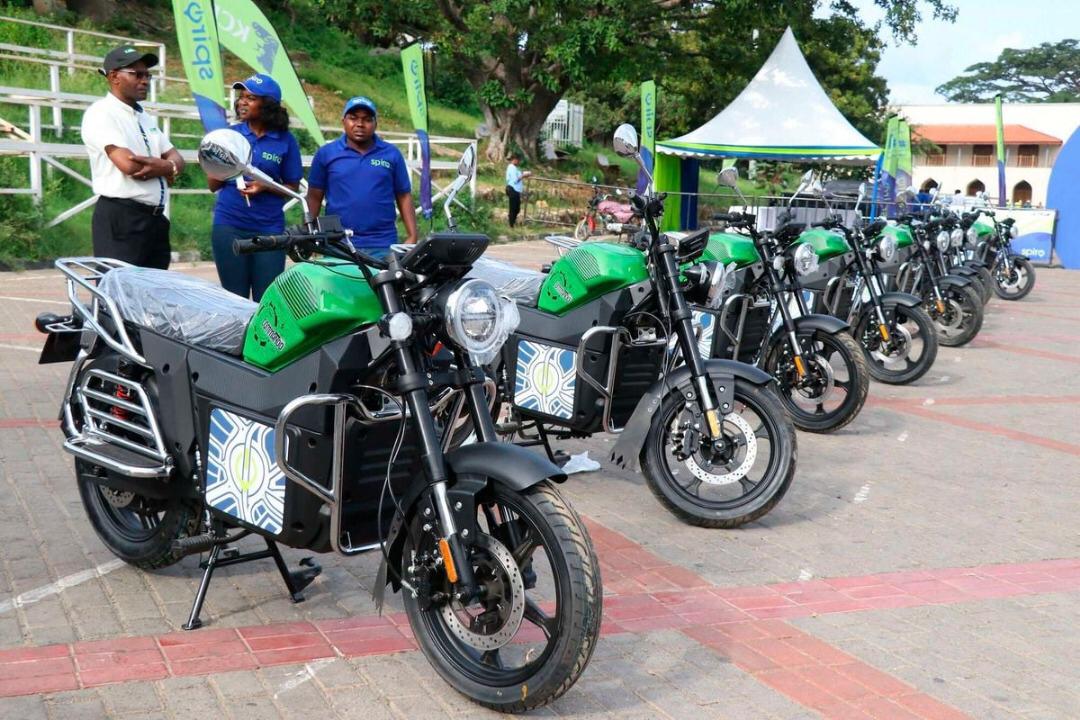
Spiro’s electric bikes are part of that shift, not because they look futuristic, but because they are built for work. While many electric bikes entering African markets are adapted versions of Asian or European models, Spiro took a different route. The company spent months testing bikes across Nigerian cities and semi urban roads, watching how riders actually move, how often bikes break down, and where imported designs fail under local conditions.
That groundwork now defines Spiro’s approach. Its bikes are engineered first for commercial riders. Okada operators. Delivery companies. Couriers who ride all day and cannot afford downtime. The Ekon series and Alpha+ models are designed to replace petrol bikes in daily income driven use, not sit idle as lifestyle products.
At the core of the design is durability. The bikes use a 4.5 kilowatt motor with peak output that can reach 6 kilowatts, enough to match the performance of common 125cc petrol motorcycles on Nigerian roads. Frames are heavier and reinforced to handle potholes, uneven surfaces and frequent loading. Battery placement prioritises balance and stability rather than aesthetics. These choices may not look glamorous, but they directly affect safety and longevity.
The financial implications for riders are where the conversation gets serious. Spiro’s electric bikes cost about 1.75 million naira including the battery and charger. That price is higher than a standard petrol bike, but daily operating costs tell a different story. Electric riding costs roughly 125 naira per 100 kilometres, compared to well over 3,000 naira on petrol for the same distance. Maintenance is also lower because electric bikes have fewer moving parts. Over time, riders can cut running costs by as much as 40 percent or more, according to Spiro’s estimates.
For delivery companies, this changes the economics of scale. Lower fuel and maintenance expenses mean fleets can grow without costs rising at the same pace. For individual riders, it can mean steadier income and fewer days lost to repairs.
News: Tourism Potential in Rivers State to Receive a Boost
Beyond the bikes themselves, Spiro is building something that could influence how transport is managed in Nigeria. Every bike and battery is connected through an embedded system that tracks location, performance and usage in real time. Fleet owners can monitor routes, control operating hours and even disable bikes remotely if needed. This level of visibility reduces theft, improves accountability and helps businesses manage assets more efficiently.
The data generated also has wider implications. Information on routes, traffic patterns and usage could eventually support better planning for urban mobility, delivery logistics and infrastructure development. In a country where informal transport dominates, reliable data has always been scarce. Spiro’s system begins to fill that gap.
Charging infrastructure is another area where the company has adapted to local realities. Battery swap stations allow riders to exchange depleted batteries for charged ones in under two minutes. These stations are supported by solar energy and backup systems to cope with unstable power supply. Riders pay only for the energy they use, not a flat fee, which keeps costs fair and predictable.
Fast charging stations are also being introduced in major cities, allowing multiple riders to top up at once. For private users, home charging remains an option, especially overnight. This mix of swapping, fast charging and home charging reflects how Nigerians actually live and work, rather than forcing a single model.
Local assembly adds another layer to the strategy. Spiro’s operations in Nigeria already rely heavily on Nigerian workers, with technical teams supporting activities across Africa. While many components are still imported, the long term plan is to increase local value addition and reduce exposure to currency fluctuations. This approach aligns with government goals and strengthens the ecosystem around electric mobility.
What makes Spiro’s presence significant is not just the technology, but the timing. Nigeria’s delivery economy is expanding rapidly, driven by e commerce, food delivery and informal logistics networks. At the same time, riders are feeling the pressure of rising costs. Electric bikes designed specifically for Nigerian conditions offer a way to keep this system moving without relying entirely on petrol.
The shift will not happen overnight. Challenges remain, from infrastructure expansion to financing options for riders. But Spiro’s model shows that electric mobility in Nigeria does not have to start with luxury cars or pilot projects. It can begin with the bikes already powering everyday movement in cities.
If scaled properly, this approach could quietly redefine how people and goods move across urban Nigeria. Not through hype or imported narratives, but through reliability, cost savings and systems built for the streets as they are. In a transport economy driven by daily survival and efficiency, that kind of practicality may be the real breakthrough.
