


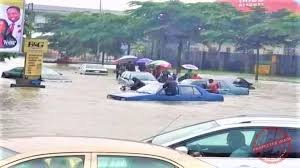
In the early hours of October 11, 2025, residents of Eligbolo, a low-lying community in Port Harcourt’s Obio/Akpor area, woke to floodwaters rising to chest level. Fourteen-year-old Daniel and his family climbed onto chairs to stay above the water as it poured into their home. Tragically, two of Daniel’s friends were swept away while attempting to reach higher ground, highlighting the deadly consequences of recurring floods in the city.
Flooding has become a seasonal reality in Port Harcourt and across Rivers State. This year alone, heavy rainfall affected 27 of Nigeria’s 36 states, overwhelming weak drainage systems, submerging homes and farmlands, and displacing thousands. In Tai Local Government Area, torrential rains destroyed crops just before harvest, pushing many families into survival mode.
At relief centres in Oyigbo and Gokana, displaced residents sorted through donated blankets, tarpaulins, and food items. Despite heavy losses, many expressed determination to rebuild. “We’ve lost livestock, crops, and even identity cards,” said Enefiok, a father of five. “But we are alive, and we must begin again.” Rivers State authorities, through the Flood Prevention and Management Committee, say relief materials are being distributed, with assurances of transparency.
Read also: NYSC: What Are We Asking Our Youth to Risk?
Experts attribute the persistent flooding to several factors. Much of Port Harcourt’s drainage infrastructure is outdated and unable to cope with increasing rainfall. Blocked gutters, illegal structures, and poor waste disposal further restrict water flow, forcing floodwaters into residential areas. The city’s coastal and low-lying geography also increases vulnerability, while climate change has intensified rainfall patterns nationwide.
Beyond property damage, residents warn of health risks from stagnant water, including disease outbreaks. The destruction of crops and homes has also threatened livelihoods and food security in affected communities.
In response, state authorities have begun desilting drains, enforcing cleanup campaigns, and increasing public awareness on flood preparedness and waste management. Local councils and community groups are participating in early-warning drills and evacuation planning. While these efforts mark progress, experts stress that lasting solutions require major infrastructure upgrades and consistent policy implementation.
For many residents, resilience remains the strongest defence. Daniel’s return to school with water-damaged shoes and notebooks reflects a wider determination across Port Harcourt to recover and rebuild. As the 2025 flood season fades, it leaves behind a clear message: protecting lives and livelihoods will require not only community strength, but sustained investment in urban planning, drainage systems, and climate adaptation.
