


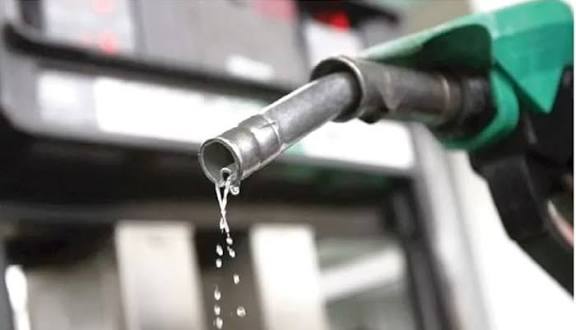
The Federal Government’s decision to impose a 15 percent import duty on Premium Motor Spirit stands as a policy that promises protection for local refineries yet delivers immediate pain to citizens.
Festus Osifo, President of the Trade Union Congress, captures this tension perfectly: importers will pass the cost directly to consumers, pushing pump prices higher at a time when refineries produce little.
Nigeria imports around 70 percent of its petrol needs, so any duty translates into steeper fuel costs without delay.
This increase hits households hard nationwide. Official estimates indicate that the landing cost is rising by approximately ₦99.72 per litre, resulting in prices in Lagos of roughly ₦964.72.
In Rivers State, residents face even greater strain. Transport operators rely on fuel to move goods and people through busy markets and waterways.
Also Read: http://The Existential Threat of Islamic Terrorism and How We Got Here
A jump in prices means higher fares for buses, boats, and tricycles that many use daily. Commuters in Port Harcourt already stretch thin budgets; this duty forces them to cut essentials like food or school fees.
Small businesses suffer too. Traders in Mile 1 Market or artisans in Diobu depend on generators during frequent power outages.
Elevated fuel expenses eat into profits, leading to higher prices for goods or reduced operations. Families feel the ripple: parents skip meals to cover transport, and students miss classes when fares rise beyond reach.
The government aims to boost local production, including modular plants in various states. Yet without full refinery output, the duty acts as a tax on survival. Labour leaders demand consultation and clarity to avoid confusion that burdens the poor most.
Nigerians deserve policies that ease hardship, not add to it. Delay this duty until local supply meets demand. Provide subsidies for public transport in high-impact areas like Rivers State.
Prioritize workers and citizens over rushed measures. Without these steps, the 15 percent duty deepens poverty and erodes trust in economic reforms.
