


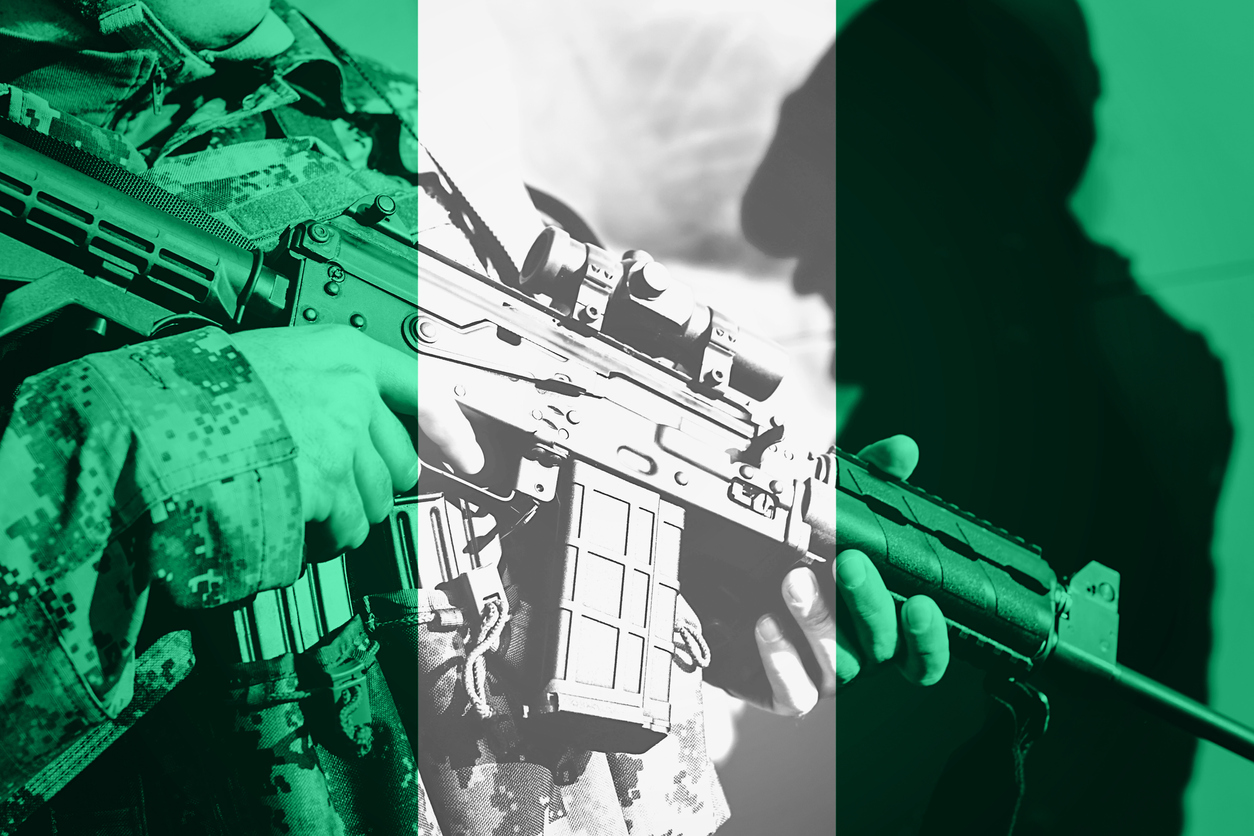
On April 7, 1994, in Rwanda, neighbours turned against neighbours. Armed Hutu militias hunted their fellow countrymen from house to house, killing men, women, and children of Tutsi descent. In just 100 days, more than 800,000 Tutsis and moderate Hutus were butchered — not by invading forces, but by ordinary people incited into believing that their compatriots were enemies.
The world still shudders at the horror. But Rwanda’s tragedy did not begin with machetes; it started with words — with propaganda that portrayed the Tutsis as cockroaches and traitors. The rhetoric, initially dismissed as harmless, became the fuel for one of the most horrific genocides in modern history.
Rwanda learned its lesson the hardest way. Tribe has since been abolished; there are no more Hutus or Tutsis — only Rwandans. The country understood that labels, once weaponised, can destroy a nation.
The Nigerian Parallel
That lesson is one Nigeria urgently needs to learn — before it is too late.
In recent weeks, a group called Yoruba Ronu has dominated headlines with hateful anti-Igbo rhetoric. Their utterances, laced with venom and superiority, resurrect dangerous ghosts of division. They have openly demonised a section of Nigerians who have contributed immensely to the economic and cultural fabric of the country.
Words like theirs are not harmless. History has proven that rants can become roadmaps to ruin. What starts as online mockery or political grandstanding can, if left unchecked, spiral into violence. When a group of people is persistently portrayed as outsiders, invaders, or enemies, violence only becomes a matter of time.
Unfortunately, these words now echo against a disturbing backdrop — the ongoing spate of demolitions in Lagos State that many perceive as being targeted at Igbo traders and property owners.
Even if the state government insists on legality, perception is also important. When demolitions disproportionately affect one group — when Igbo businesses are razed while others nearby remain untouched — when due process is questioned — it feeds a narrative of persecution. It validates the rhetoric of hate-mongers and gives their poisonous words flesh.
The Danger of Silence
The greatest danger in moments like this is not only in the voices of those who incite but in the silence of those who know better. The Rwandan genocide was not only the fault of the killers but also of those who kept quiet when hate became normalised.
The Belgian radio host Georges Ruggiu, later convicted by the International Criminal Tribunal, never killed anyone himself — but he incited. His broadcasts dehumanised the Tutsis and fanned the flames of slaughter.
Also Read: Ihunda Reaffirms Partnership with NEMA on Disaster Management in Port Harcourt
Nigeria must take heed. When broadcasters, influencers, or political groups begin to make people the subject of mockery, blame, or exclusion, they are not engaging in free speech — they are preparing the ground for violence. And as history has proven, those who incite wars are more dangerous than those who fight them.
A Call for Justice and Leadership
It is time for the Nigerian government to draw a red line — one that protects free expression but punishes hate speech and incitement to violence. Leaders who fan ethnic division, whether in the name of politics, religion, or regional pride, must face the law. Justice must be swift and impartial. Political leniency only emboldens future offenders.
Freedom of speech must never include the freedom to endanger others. The right to self-determination cannot come at the expense of another’s right to exist.
Our Constitution promises equality for all citizens, yet too often, that promise is betrayed by selective justice and prejudice. The state must rise above ethnic considerations and ensure that every Nigerian — whether Igbo, Yoruba, Hausa, or any other — enjoys equal protection under the law.
The Way Forward
We can still avert our own Rwanda. But it will require moral courage — from citizens, media, and government alike. Nigerians must reject the voices that preach hate and question the policies that appear discriminatory. The media must refuse to amplify divisive rhetoric. And the government must govern with fairness, transparency, and empathy.
The demolitions in Lagos should be reexamined — not through the lens of politics, but through justice. Are they lawful? Are they equitable? Are they humane? These are the questions that a fair society must ask itself.
As Rwanda learned, no nation survives long when its citizens are divided by fear and suspicion. Nigeria must not learn that lesson the hard way.
Those who incite wars are, indeed, more dangerous than those who wage them — because they ignite the fire that others die in. Let us douse those embers now, before our own house catches flame.
