


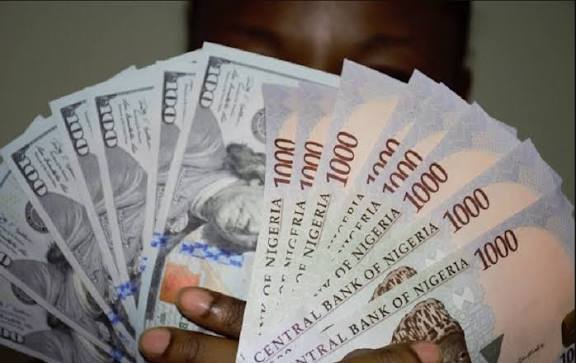
The naira reached its strongest level since December 2024, closing at N1,455.17/$ on October 10, 2025, after gaining 0.72% (N10.5) at the official market, according to Central Bank of Nigeria data released October 13,2025. At the parallel market, it rose 0.88% to N1,475/$, driven by robust foreign exchange inflows from portfolio investors and remittances.
The foreign exchange market saw mixed trading last week. Early demand pressures from exiting Foreign Portfolio Investors (FPIs) weakened the naira, but midweek inflows, particularly from FPIs meeting local fixed-income obligations, bolstered market sentiment. Nigeria’s external reserves climbed to $42.57 billion, fueled by oil sales, remittances, and portfolio investments, enhancing the Central Bank’s ability to manage short-term pressures.
Analysts at AIICO Capital predicted naira stability in the near term, citing improved dollar supply and reserve growth. Cowry Assets Management echoed this, noting that steady inflows and Central Bank interventions should sustain the naira’s value. However, they cautioned that rising import demand or weaker dollar inflows could temper gains, with global oil market volatility potentially affecting investor confidence.
A significant boost came from FTSE Russell’s September 2025 review, which added Nigeria to its Watch List for possible reclassification to Frontier market status by March 2026. This follows Nigeria’s “Unclassified” designation in September 2023 due to delays in capital repatriation.
Also see: Reverend Uma Ukpai Passes On
Recent reforms have improved liquidity, prompting the decision. Meristem Securities noted that this move repositions Nigeria for global funds, with active funds likely to preposition for gains and passive funds preparing for future allocations. Anticipated FPI inflows are expected to enhance dollar supply, supporting naira stability.
It bears mentioning that sustained policy reforms are critical for long-term success, analysts emphasized, as Nigeria navigates this probationary period to secure its place on the global investment stage.
