


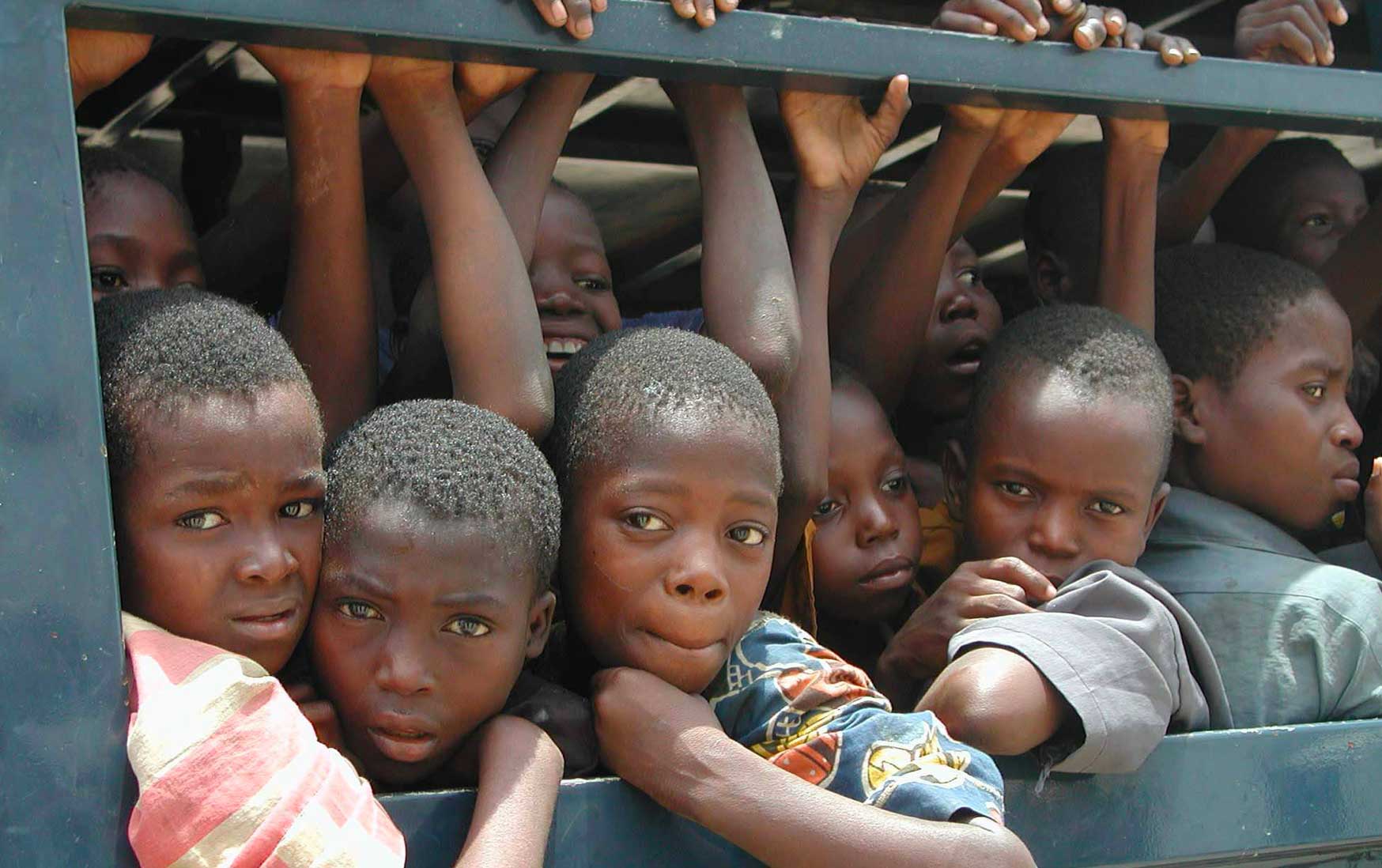
In a country as vibrant in culture as Nigeria, it is deeply unsettling that some of our most vulnerable children continue to be subjected to the darkest forms of abuse: trafficking and molestation.
These are not isolated incidents tucked away in remote corners. They happen in our cities, towns, and even within our communities. The silence surrounding them is deafening, and it is costing us our future.
Every year, thousands of Nigerian children are trafficked, bought, sold, and exploited for forced labour, domestic servitude, street hawking, and, most harrowingly, sexual exploitation. Behind every statistic is a child robbed of innocence, family, and a chance at a dignified life. Molestation, often hidden behind closed doors or dismissed as “discipline” or “family matters,” continues to ruin young lives, leaving deep psychological scars that often go untreated.
Let’s be clear: child trafficking and molestation are crimes, not cultural mishaps, not family issues to be swept under the rug, not unfortunate realities to be quietly endured. They are crimes against humanity and against the soul of our nation.
Why does this continue? The reasons are not far-fetched. Poverty creates fertile ground for exploitation. Corruption and weak law enforcement allow traffickers and abusers to operate with impunity. A culture of silence and stigma discourages victims from speaking out. And perhaps most painfully, apathy, our collective refusal to truly see and act, gives this evil space to grow.
Also Read: Int’l Girl Child Day: Rivers NAWOJ Urges Collective Action to Empower Girls
We must stop waiting for the government alone to act. Of course, stronger policies and enforcement are non-negotiable. Agencies like NAPTIP (National Agency for the Prohibition of Trafficking in Persons) must be better funded, trained, and supported to protect children and bring perpetrators to justice. But communities, families, religious institutions, and schools must also rise.
We need more than outrage; we need responsibility. We need to teach our children, not just to fear strangers, but to understand consent and boundaries. We need to train teachers and community leaders to spot the signs of abuse and respond appropriately. We must create safe spaces for children to speak and be believed.
If Nigeria is to have any real hope for progress, we must protect our children not only in words but in action. We must treat every child’s life as sacred, regardless of their background, gender, or circumstance.
The time for silence is over. The time for justice, awareness, and action is now.
