


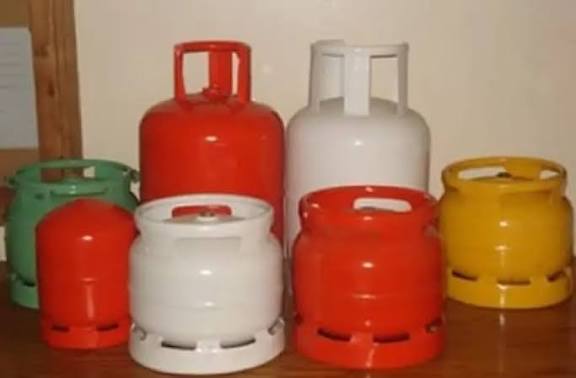
Nigeria’s Dangote Refinery has lowered its ex-depot price for liquefied petroleum gas (LPG), or cooking gas, to ₦760 per kilogram, offering significant relief to households facing skyrocketing costs.
This adjustment, announced on the 7th day of October 2025, comes after routine maintenance at the facility and aims to curb market volatility. Previously, rival suppliers charged between ₦910 and ₦950 per kilogram—Matrix and Ardova at ₦920, A.Y.M Shafa and NIPCO at ₦910, and Stockgap Depot at ₦950. Dangote’s new rate creates a gap of ₦150 to ₦190, potentially pressuring competitors to follow suit.
The move addresses recent nationwide shortages and price surges, where retail costs in Rivers and other regions hit ₦1,400 to ₦3,000 per kilogram. Long lines at depots and black-market dealings became common as supply chains faltered.
Bayo Ojulari, group chief executive of the Nigerian National Petroleum Company Limited (NNPCL), attributed the disruptions to a strike by the Petroleum and Natural Gas Senior Staff Association of Nigeria (PENGASSAN). “The industrial action halted loading and distribution for days, creating an artificial shortage and driving up prices,” Ojulari explained on October 5, 2025. He added that full operations are restarting, promising quicker stabilization.
Energy analysts praise the decision as a deliberate strategy to promote fair pricing and boost domestic supply. “This post-maintenance reduction signals Dangote’s commitment to restoring order in the LPG sector,” one expert noted, highlighting its role in tackling long-standing artificial inflation.
Also see: Nigeria Must Tap Global Climate Funds for Growth – Edun
Since launching in 2024, Dangote Refinery has ramped up local production to reduce import reliance, which previously exposed consumers to global fluctuations. This price cut aligns with broader efforts to make cooking gas more affordable, especially for low-income families who spend up to 20% of budgets on fuel.
As of October 7, 2025, retail outlets report gradual improvements in availability, though full effects may take days. Industry watchers anticipate a ripple effect, lowering end-user prices soon.
It bears mentioning that this development underscores Dangote’s growing influence in stabilizing Nigeria’s energy market amid economic pressures.
