


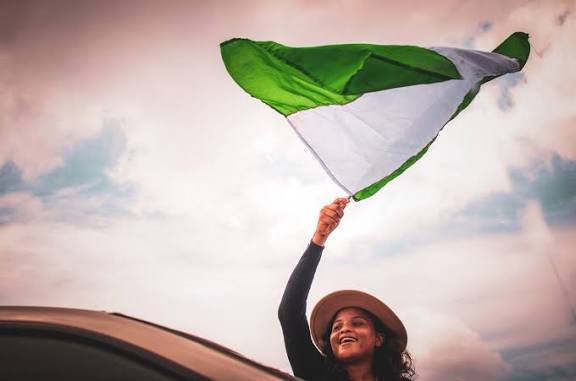
For decades, certain phrases and beliefs about Nigeria have been repeated so often that they’ve taken on the weight of truth. These sayings, passed down through generations or amplified by popular culture, have shaped perceptions of the country both within and beyond its borders.
Yet, as Nigeria evolves, many of these claims have begun to unravel, revealing themselves as myths that no longer hold up under scrutiny. This article explores several widely held assertions about Nigeria, examining why they persist and how they’ve been debunked over time.
One of the most enduring claims is that Nigeria is the “Giant of Africa.” This title, often tied to the country’s large population and economic potential, has been a source of pride for many Nigerians. With over 200 million people and a wealth of natural resources, Nigeria’s influence in African politics and culture is undeniable.
However, the “giant” label implies unmatched dominance and stability, which doesn’t fully align with reality. Economic challenges, infrastructure deficits, and governance issues have often hindered Nigeria from realizing its full potential.
While the country remains a major player in Africa, the “giant” moniker overlooks the complexities of its struggles, making it more of an aspirational slogan than a definitive truth.
Another popular saying, particularly in the Niger Delta, is “Warri no dey carry last.” This phrase, born in the vibrant city of Warri, reflects a spirit of resilience and pride, suggesting that people from Warri always come out on top. It’s a cultural boast, often said with humor and confidence.
Yet, this claim doesn’t hold up when viewed through the lens of Warri’s challenges. The city has faced economic decline, environmental degradation from oil exploration, and social unrest. While the spirit of the phrase captures Warri’s tenacity, the reality of its struggles shows that no place is immune to setbacks.
Also Read: http://The Case Against Presidential Vacations: Duty Must Come First
The notion that the Yoruba are the most educated tribe in Nigeria has also been widely circulated. Rooted in the historical emphasis on education in Yoruba-speaking regions, particularly in the southwest, this claim points to the high number of professionals and academics from this ethnic group.
However, education levels vary widely across Nigeria, and other ethnic groups, such as the Igbo or Hausa, have also produced significant numbers of educated individuals. Access to education depends more on geography, economic status, and government policies than on any inherent tribal advantage. This myth oversimplifies Nigeria’s diverse educational landscape.
The concept of “One Nigeria” has long been a rallying cry for national unity. It suggests a cohesive nation where diverse ethnic, religious, and cultural groups work together harmoniously. In practice, Nigeria’s unity is often strained by ethnic tensions, regional disparities, and political divisions.
While the idea of a united Nigeria remains a powerful ideal, the reality of separatist movements and intergroup conflicts shows that unity is more a goal than a given.
Another claim, “Youths are the leaders of tomorrow,” has been a staple in motivational speeches and political rhetoric. It paints a hopeful picture of young Nigerians stepping into leadership roles to shape the nation’s future. Yet, the persistent dominance of older generations in politics and governance tells a different story.
Many young Nigerians face barriers to leadership, including limited access to resources and entrenched political structures. The phrase, while inspiring, often feels hollow to a generation eager for change but sidelined by systemic challenges.
Finally, the saying “Police is your friend” has been promoted as a way to build trust between citizens and law enforcement. In reality, many Nigerians have experienced or witnessed police misconduct, corruption, or brutality, which undermines this slogan. Public distrust in the police remains high, fueled by incidents that contradict the idea of a friendly, protective force.
These debunked myths reveal a gap between Nigeria’s aspirations and its realities. They persist because they offer comfort, pride, or a sense of identity in a complex nation. Acknowledging their limitations doesn’t diminish Nigeria’s potential but rather calls for a more honest conversation about its challenges and opportunities.
By moving beyond these outdated claims, Nigerians can focus on building a future that reflects the country’s true strengths and diversity.
