


The World Health Organization (WHO) has issued new draft guidelines that mark a significant shift in its approach to obesity, urging countries to recognize it as a chronic, progressive, and relapsing disease.
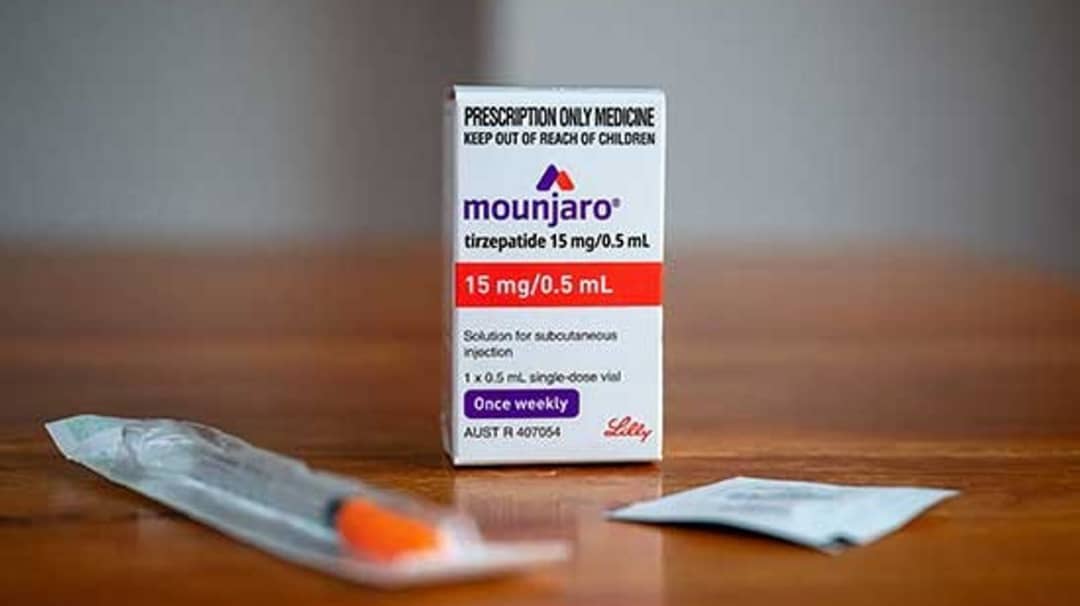
The guidelines recommend the use of popular weight-loss drugs, particularly GLP-1s, for the long-term management of obesity in adults.
While this is a major global development, health experts in Rivers State are now evaluating the unique challenges and opportunities this new stance presents for the local population.
The WHO’s endorsement of these drugs for adults with a Body Mass Index (BMI) of 30 or higher is a departure from its previous focus solely on lifestyle interventions.
This new approach acknowledges that obesity is a complex medical condition and not simply a result of personal choices. This shift is crucial for de-stigmatizing the condition and encouraging people to seek medical help.
Despite the positive outlook, implementing these guidelines in Rivers State faces significant hurdles. The major challenge is the exorbitant cost of these weight-loss drugs.
Due to their high price and limited availability, the new treatment options will be largely inaccessible to the majority of people in the state.
Also Read: http://Nigeria, Africa Grapple with Cardiovascular Disease Epidemic
Local healthcare providers also face the challenge of sourcing and prescribing these medications, which are not widely available in Nigerian pharmacies.
The WHO’s decision not to add these drugs to its Essential Medicines List for obesity, citing their cost, further complicates the issue for low- and middle-income countries.
The new guidelines present an opportunity for the Rivers State government and local health agencies to develop policies that address the twin challenges of obesity and access to care.
Public education campaigns are crucial to inform the populace about the new treatment options while also emphasizing that these drugs are not a magic bullet and must be used in conjunction with a healthy diet and exercise.
The effective implementation of the WHO’s new guidelines will require a collaborative effort between the government, health providers, and the public to overcome the significant hurdles of cost and access.
The new mindset is a crucial first step toward a more comprehensive approach to combating obesity in Rivers State.
