


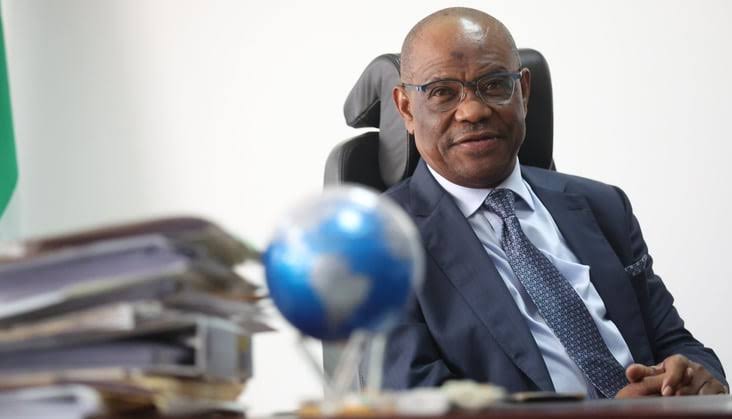
Reports of a $2 million Florida mansion allegedly linked to Nigerian politician Nyesom Wike have sparked outrage, raising questions about how public officials amass wealth far beyond their salaries. According to West Africa Weekly, the Winter Springs property, purchased in March 2025, is registered under the names of Wike’s wife, Justice Eberechi Wike, and their children.
An X post by @ume_nwokedi questions U.S. oversight, suggesting a pattern where foreign elites stash assets abroad. Why do such allegations persist? My Intent with this article is to examine claims of international corruption through this case, exploring how foreign systems like U.S. real estate may be exploited, the role of Nigeria’s elite in such allegations, and potential geopolitical risks.
Prevailing sentiment on X argues that Western economic interests enable these patterns and calls for reforms to ensure accountability, all while navigating the complex interplay of global wealth and public trust.
The U.S. real estate market, a magnet for foreign investment, often faces scrutiny for lax oversight. In 2024-2025, foreign buyers invested $56 billion in U.S. homes, with cash purchases raising concerns about money laundering. Unlike citizens, non-residents face no mandatory source-of-funds checks, potentially allowing illicit wealth to flow freely.
The Department of Justice has acted, repatriating $52.88 million in Nigerian assets tied to corruption in 2025. Yet, the economic boost from foreign investments, including higher property values and tax revenue, may discourage stricter regulation.
In my view, this creates a moral dilemma: the U.S. benefits economically while potentially enabling unverified wealth to distort markets. X users like @sillygist argue that global systems prioritize profit over ethics. Without reform, the U.S. risks complicity in cycles where alleged corruption finds a haven, undermining global anti-graft efforts.
In Nigeria, allegations of elite corruption are not new. West Africa Weekly claims Wike, earning roughly $5,000 annually, is linked to a $2 million U.S. property, raising questions about funding sources. Past cases, like former minister Diezani Alison-Madueke, whose alleged $20 billion theft led to $50 million in U.S. asset forfeitures in 2025, show a pattern. As @ume_nwokedi notes, it’s a “rinse and repeat” cycle: officials face scrutiny, assets are probed, yet little changes.
Reports often cite family members as holding assets, a tactic seen in other Nigerian cases. In my opinion, such allegations, if true, erode public trust, as X users lament leaders prioritizing personal gain. Nigeria’s anti-corruption agencies must investigate such claims transparently to address systemic issues fueling inequality and public discontent.
Also Read: http://The Misguided Shift of NAFDAC and Nigeria Customs Service: Revenue Over Duty
Allegations like those against Wike could have broader implications. If verified, foreign-held assets might expose officials to geopolitical pressures, as the U.S. could leverage forfeiture powers, as seen in past Nigerian cases.
West Africa Weekly notes Wike’s wife’s Democratic Party registration, which some on X suggest could complicate matters if linked to U.S. political vulnerabilities, like 2025 ActBlue fraud concerns.
In my view, such ties, if proven, highlight risks where foreign wealth intersects with political systems. Unchecked, these patterns could fuel unrest in Nigeria, where youth already distrust elites, or enable foreign influence over African leaders.
The cycle persists because global systems rarely prioritize accountability over profit. Strengthening international oversight and local investigations is critical to ensure allegations don’t become tools for manipulation or perpetuate systemic flaws.
Breaking this cycle demands action. International pacts, like those proposed by anti-corruption bodies, could mandate transparent property registries globally. Nigeria should empower citizen audits of officials’ wealth, backed by legal protections.
The U.S. must enforce stricter funding checks, balancing economic gains with ethical responsibility. As X voices demand, accountability starts with collective pressure. The cycle ends when citizens and governments demand transparency at home and abroad.
