


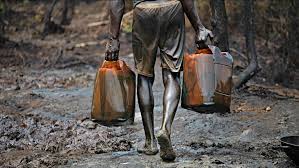
As Nigeria grapples with economic hardships, the recent military operations in the Niger Delta serve as a stark reminder of how deeply entrenched oil theft undermines our nation’s stability.
The arrest of 71 suspects, the destruction of 14 illegal refining sites, and the recovery of over 33,000 liters of stolen petroleum products in just a few weeks are commendable steps. Yet, these actions, while necessary, highlight a persistent crisis that demands more than sporadic crackdowns.
In my view, oil theft is not just a criminal enterprise; it is a symptom of broader failures in governance, community engagement, and environmental stewardship. Without addressing the root causes, we risk perpetuating a cycle of poverty and pollution that hits regions like Rivers State particularly hard, where oil wealth should be a blessing but often feels like a curse.
Let us first acknowledge the positives. The Nigerian Army’s 6 Division has shown impressive resolve in these operations, spanning late July to early August. By targeting hotspots and collaborating with other security agencies, they have disrupted networks that siphon billions from our economy annually.
In areas near Degema and Omoku, for instance, troops deactivated refining sites and intercepted vessels laden with crude oil, preventing further losses. These efforts extend beyond mere arrests; they include seizing jerry cans in Bayelsa and stopping suspicious vehicles in Delta State.
Major General Eric Emekah’s praise for public tips underscores a vital point: community involvement is key to success. When citizens report suspicious activities, it empowers the military to act swiftly, as seen in the recovery of hidden storage pits along the Imo River. On Eradicating Oil Theft in Nigeria’s Niger Delta
However, praising these operations does not mean ignoring their limitations. Oil theft thrives because of corruption, unemployment, and inadequate infrastructure.
In Rivers State, where dense oil pipelines crisscross communities, illegal refining often stems from desperation. Young people, facing limited job opportunities, turn to these activities for quick gains, only to poison their backyards.
The environmental toll is devastating: spills from makeshift refineries contaminate rivers, killing fish stocks and ruining farmlands that locals rely on for survival.
This not only exacerbates food insecurity but also fuels health issues, with polluted water sources leading to diseases that strain already overburdened healthcare systems. If we truly care about sustainable development, we must view these military successes as band-aids on a gaping wound.
Consider the economic implications. Nigeria loses an estimated $10 billion yearly to oil theft, money that could fund schools, roads, and hospitals. In Rivers, a state rich in resources yet plagued by inequality, this theft widens the gap between the elite and the masses.
While multinational oil companies and government officials benefit from legitimate extraction, ordinary residents bear the brunt of the fallout. The recent seizures of over 22,500 liters in Degema alone represent a fraction of the daily losses, but they symbolize how theft erodes trust in institutions.
Why should communities protect pipelines when they see little return on the wealth extracted from their land? This resentment breeds complicity, turning potential allies into silent enablers.
To break this cycle, we need a multifaceted approach. First, enhance military efforts with technology. Drones and surveillance systems could monitor vast areas more effectively than foot patrols, reducing the risk to soldiers and increasing detection rates.
Second, invest in youth empowerment programs. In Rivers and neighboring states, vocational training in renewable energy or agriculture could provide alternatives to illegal refining. Imagine redirecting the ingenuity behind those makeshift sites toward legitimate enterprises; it could transform the Niger Delta into an innovation hub rather than a hotbed of crime.
Third, tackle corruption head-on. The fact that suspects are handed over for prosecution is good, but convictions remain rare due to weak judicial processes. We must strengthen anti-corruption agencies and ensure transparency in oil revenue allocation.
Also Read: http://Nigeria’s $2.2 Billion Agricultural Leap Could Transform Rural Economies If Done Right
The Petroleum Industry Act offers a framework, but its implementation lags. Moreover, environmental cleanup should be prioritized. The destruction of sites is essential, but without rehabilitation, polluted areas in places like the Imo River basin will continue to suffer. International partnerships could help, bringing expertise in remediation while holding polluters accountable.
Critics might argue that these operations infringe on local rights or displace communities, but the greater infringement is the theft itself, which robs future generations. Lieutenant Colonel Danjuma Jonah’s updates emphasize returning legitimate products to owners, showing a commitment to fairness.
Yet, fairness demands more: equitable resource distribution. Rivers State, with its vibrant culture and strategic ports, could lead Nigeria’s economic revival if oil revenues were reinvested locally. Instead, theft perpetuates underdevelopment, driving migration and social unrest.
In conclusion, while the recent arrests and destructions are victories worth celebrating, they must catalyze deeper reforms. Oil theft is a national emergency that affects every Nigerian, from Lagos traders facing higher fuel prices to Rivers farmers dealing with contaminated soil.
By combining military might with social and economic initiatives, we can reclaim our resources and build a prosperous Niger Delta. It is time for leaders to act decisively, not just reactively. Our nation’s future depends on it, and with public support, we can turn the tide against this insidious threat. Let these operations be the start of a new era, where vigilance and vision replace exploitation and despair.
