


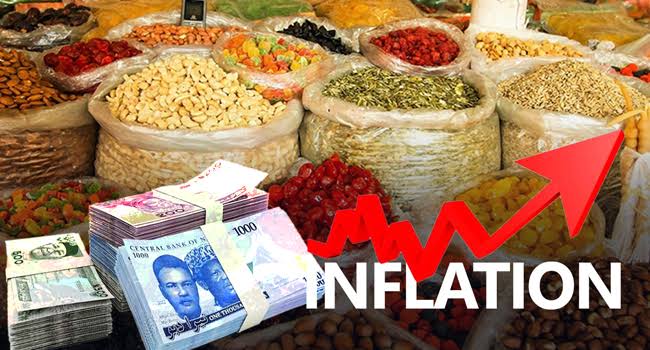
The rising cost of living in Nigeria has reached a painful point. For the average Nigerian, basic necessities like food, transportation, and healthcare are now out of reach as inflation continues to soar, and the prices of everyday commodities are breaking the backs of the poor. This is not just an economic issue. It is a national emergency that demands urgent, sincere, and practical action from the the government and relevant authorities.
If Nigeria must ease the burden on its citizens, then the political leaders must begin by addressing the root causes of inflation, not just the symptoms. The Central Bank has a major role to play in this regard. Managing the flow of money into the economy and stabilizing the exchange rate are crucial steps. When the naira fluctuates wildly, it affects the cost of nearly every item, especially imported goods like rice, fuel, and medicines.
However, the long-term solution is not in importation but in production. Nigeria must begin to produce what we consume. Our farms must come alive again. Farmers should be supported with improved seeds, tools, loans, and security. There is no reason for the country to be importing food when we have the land and the people to feed themselves.
Also, if we are serious about bringing down prices, then the energy sector must be fixed. No business can grow when it spends half of its income on diesel or petrol. Stable electricity will reduce production costs and help manufacturers produce goods at prices ordinary people can afford.
Security remains a critical factor. Farmers cannot go to their farms in peace. Transporters are afraid of moving goods across regions. Until the government decisively tackles banditry, terrorism, and kidnappings, food scarcity will persist, and prices will continue to rise.
Another area that cannot be ignored is the cost of governance. There is too much waste at the top while the masses are left to suffer. Leaders must cut down on luxury spending and invest those savings in education, health, agriculture, and infrastructure. The roads that carry food from the farms to the markets are in terrible shape, and this adds to the final price paid by consumers.
Related: Falana Slams Tinubu’s Economic Reforms, Says Policies Deepening Poverty
Furthermore, price regulation agencies must wake up. The practice of hoarding goods to create artificial scarcity must be dealt with. The government must stand up for the poor and ensure that market forces do not become tools of oppression.
The time for empty promises is over. Nigerians are hungry. The common man is tired. We need bold leadership, honest reforms, and people-centered policies. It’s time to stop the blame game and get to work.
Reducing inflation and the cost of living is possible. It starts with sincerity, accountability, and a commitment to put the people first. We can build a Nigeria where the price of food is not a luxury, and where hard work brings reward, not hardship.
The government should act now, before more Nigerians are pushed beyond the edge.
