


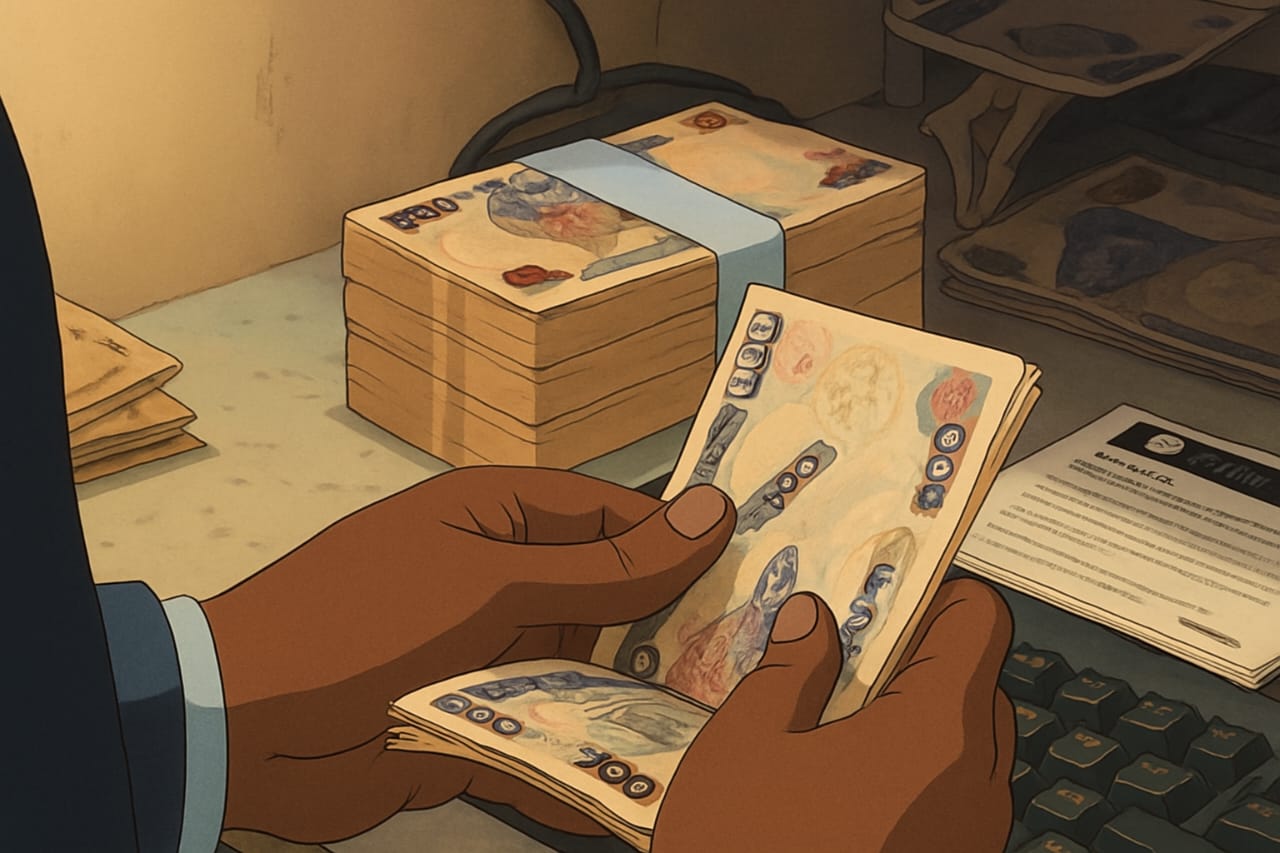
Money can be a tricky thing. For some, it’s just numbers in a bank account, but for others, it’s tied to deep emotions like fear, shame, or pain. Financial trauma happens when bad experiences with money, such as growing up in poverty, losing a job, or drowning in debt, leave you feeling stressed or scared about your finances. It’s like a bruise on your mind that makes you anxious every time you think about money. The good news? You can heal from it. Here’s how to start rebuilding your relationship with money in a way that feels empowering and hopeful.
First, acknowledge the problem. Financial trauma isn’t just about not having enough money. It’s about how those experiences make you feel. Maybe you grew up in a home where there was never enough, and every bill felt like a crisis. Or maybe you made a mistake, like racking up debt, and now you feel ashamed. These feelings are real, and ignoring them won’t help. Start by admitting to yourself that money stresses you out and that it’s okay to feel this way. It’s like telling a friend about a bad day. It doesn’t fix everything, but it’s a start.
Next, try to understand where your feelings come from. Think about your past. Did your parents fight about money? Did you lose something important because of financial struggles? These memories shape how you see money today. For example, if you grew up watching your family struggle, you might feel like money is always going to slip through your fingers. Writing down these thoughts can help you see patterns. It’s like solving a puzzle. Once you see the pieces, you can start putting them together differently.
Now, let’s talk about knowledge. Money can feel like a mystery, but learning about it is like getting a map for a new city. Start small: read a book, watch a video, or listen to a podcast about budgeting or saving. You don’t need to be a math genius. Simple things, like understanding how interest works or how to make a budget, can make money less scary. For instance, a budget is just a plan for where your money goes each month, like deciding what snacks to buy with your allowance so you don’t run out.
Another big step is setting goals. Think about what you want your future to look like. Maybe it’s having enough to buy a car or just feeling calm when you check your bank account. Write down one or two small goals, like saving $50 a month or paying off a small bill. These goals are like stepping stones. They help you move forward without feeling overwhelmed. Celebrate when you hit them, even if it’s just treating yourself to an ice cream cone. Small wins build confidence.
Talking about money is also key. It’s tempting to keep your worries to yourself, but opening up to a trusted friend, family member, or even a counselor can lift a huge weight. They might not have all the answers, but just sharing your fears can make them feel less heavy. Plus, you might be surprised. Lots of people have money stress, and they might share tips that worked for them.
One thing that’s super important is changing how you think about money. If you see it as the enemy, it’ll always feel like a fight. Try to see it as a tool instead. Money isn’t good or bad. It’s just something you use to live your life. For example, instead of thinking, “I’ll never have enough,” try saying, “I’m learning how to manage what I have.” This shift in mindset is like switching from a scary movie to a comedy. It changes the whole vibe.
Related News: http://The National Celebration of Pain
Don’t forget to take care of yourself along the way. Financial stress can mess with your sleep, your mood, and even your health. Make time for things that make you happy, like going for a walk, watching a funny show, or hanging out with friends. These things recharge you, so you have the energy to tackle your money goals. It’s like refueling a car. You can’t keep driving if the tank is empty.
Finally, be patient. Healing from financial trauma doesn’t happen overnight. There will be days when you feel stuck or scared again, and that’s okay. What matters is that you keep moving forward, even if it’s just a tiny step. Over time, those steps add up, and you’ll start to feel more in control.
In the end, overcoming financial trauma is about taking back your power. Money doesn’t have to control your life or make you feel small. By facing your fears, learning new skills, and being kind to yourself, you can build a healthier relationship with money, one that feels less like a burden and more like a tool for creating the life you want. Start today, and you’ll be amazed at how far you can go.
