


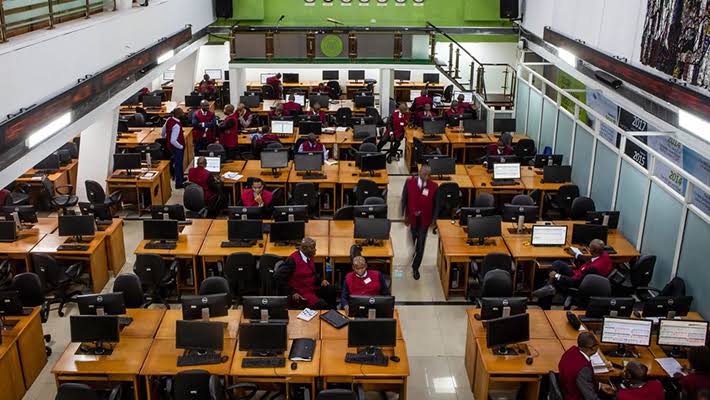
Nigeria’s stock market, valued at a staggering N85 trillion, stands as a beacon of economic potential, with a 30.6% year-to-date gain in 2025 signaling robust investor confidence. Yet, beneath this success lies a persistent barrier: the underdeveloped state of digital retail platforms, which stifles broader participation and limits growth, particularly in regions like Rivers State.
Compounding this challenge is the Nigerian stock market’s troubled history of manipulation, a legacy that continues to erode trust and hinder the transformative potential of digital innovation. To fully harness this N85 trillion opportunity, Nigeria must confront its past, overhaul its digital infrastructure, and rebuild investor confidence.
The Nigerian Exchange Limited (NGX) has demonstrated remarkable resilience, driven by strong performances in the banking and cement sectors. However, the market’s growth is lopsided, with institutional investors dominating, while retail participation lags. In Rivers State, a vibrant economic hub, local traders and small-scale investors face significant hurdles. Unreliable online trading platforms, insecure payment systems, and logistical bottlenecks like poor last-mile delivery deter engagement.
For many in Nigerian Exchange Limited (NGX), the idea of investing in stocks through a smartphone app feels like a distant dream, forcing reliance on traditional brokers or informal channels. This digital divide isn’t just a technological issue; it’s a barrier to democratizing wealth creation in a nation of 230 million, where only a fraction actively engages in e-commerce or stock trading.
Historically, Nigeria’s stock market has been plagued by manipulation, a shadow that looms large over its current challenges. In the early 2000s, the market saw rampant insider trading, price rigging, and pump-and-dump schemes, particularly during the banking sector consolidation of 2004-2005.
Unscrupulous brokers and corporate insiders artificially inflated stock prices, luring retail investors into overvalued assets only to see them crash. The 2008 global financial crisis exposed these vulnerabilities, wiping out billions in market value and shattering public trust.
Regulatory lapses allowed these practices to fester, with weak enforcement by the Securities and Exchange Commission (SEC) failing to hold culprits accountable. Even today, allegations of market abuse persist, with reports of insiders manipulating share prices to benefit institutional players at the expense of retail investors. This history fuels skepticism, particularly among younger Nigerians who view the market as a rigged game.
The lack of robust digital retail platforms exacerbates this mistrust. Unlike global markets where platforms like Robinhood or eToro empower retail investors with seamless access, Nigeria’s digital offerings are patchy. Fintech startups like PiggyVest and Bamboo have made strides, offering user-friendly interfaces for stock trading and savings.
Yet, their reach remains limited, with less than 10% of Nigerians using such platforms, according to industry estimates. In Rivers State, where internet penetration is growing but still inconsistent, potential investors face frequent transaction failures and security concerns.
A 2024 survey by the Nigerian Economic Summit Group found that 62% of respondents cited distrust in online payment systems as a reason for avoiding digital investments. This lack of confidence, rooted in both technological shortcomings and historical market scandals, keeps Nigeria’s retail investor base small and cautious.
To unlock the market’s full potential, Nigeria must prioritize a digital retail revolution. First, regulators and private stakeholders should invest in secure, scalable platforms that simplify stock trading for the average citizen. The African Union’s Digital Economy Initiative, targeting full business digitization by 2030, offers a roadmap.
Related News: Nigerian Stock Market Soars, Gains N1.81 Trillion in Rivers State and Beyond
Nigeria could emulate Kenya’s M-Pesa model, which transformed mobile payments, by creating a national stock trading app backed by robust cybersecurity. Such a platform could integrate with existing fintechs, offering real-time trading, educational resources, and transparent pricing to rebuild trust.
Second, addressing the legacy of market manipulation is critical. The SEC must strengthen enforcement, leveraging technology like blockchain to track transactions and deter insider trading. Public campaigns showcasing successful prosecutions could signal a break from the past.
For instance, the 2019 conviction of a prominent Lagos broker for price manipulation was a step forward, but such actions remain too rare. Transparency in corporate earnings and stricter penalties for market abuse would encourage retail investors, particularly in regions like Rivers State, where economic activity is high but digital access lags.
Finally, consumer education is essential. Many Nigerians, especially in semi-urban areas like Port Harcourt, lack the financial literacy to navigate stock markets. Schools, community centers, and fintechs could partner to offer workshops on investing, demystifying the process, and highlighting safeguards against fraud.
A 2025 Afrinvest report projects a 30.4% market gain this year, driven by banking sector recapitalization and potential major listings. Capturing this growth requires a broader investor base, which digital platforms and education can enable.
The stakes are high. Nigeria’s stock market could drive economic inclusion, channeling wealth to millions while fueling industries like construction and technology. Rivers State, with its oil-driven economy and growing middle class, stands to benefit immensely from accessible digital trading.
Yet, without addressing the dual challenges of poor digital infrastructure and historical mistrust, this N85 trillion potential will remain out of reach for most. By investing in technology, enforcing transparency, and educating citizens, Nigeria can transform its stock market into a true engine of prosperity, leaving the ghosts of manipulation behind.
