


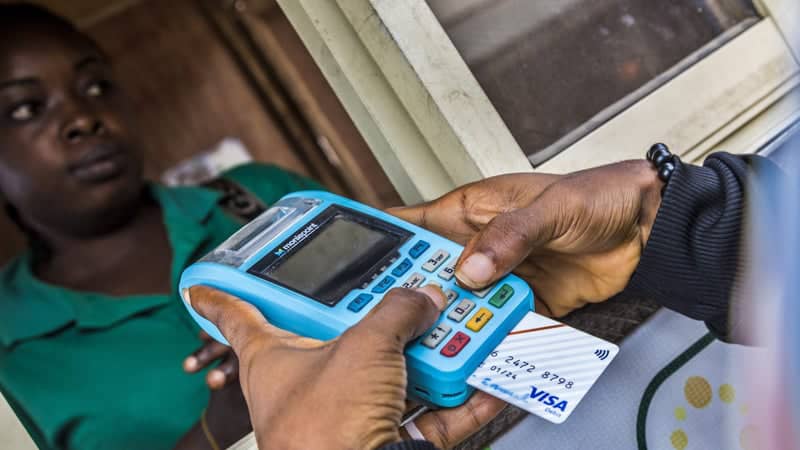
Nigeria’s electronic payment transactions surged to a record N284.9 trillion in the first quarter of 2025, marking a significant 22% increase compared to the same period last year. The latest figures released by the Nigeria Inter-Bank Settlement System (NIBSS) demonstrate the nation’s accelerating shift toward a cashless economy.
The breakdown of quarterly transactions reveals consistent growth across all three months, with January recording N100 trillion worth of transactions, followed by N88.8 trillion in February and N96 trillion in March. Transaction volumes followed a similar upward trend, reaching 792 million in January, 687.5 million in February, and 735.5 million in March.
Central Bank of Nigeria (CBN) officials attribute this exponential growth to sustained cashless policy initiatives and periodic cash scarcity that has pushed more Nigerians toward digital alternatives. The fintech sector’s rapid expansion has further fueled adoption, with active bank accounts growing by 8.4 million to reach 320 million by March 2025.
Also see: Aliko Dangote Steps Down as Dangote Cement Chairman, Shifts Focus to Refinery
NIBSS recently introduced the National Payment Stack (NPS), a new platform designed to enhance instant payments with real-time transactions, faster settlements, and improved fraud detection. The innovation aims to support financial inclusion, streamline government payments, and boost revenue collection as Nigeria works toward its $1 trillion economy target.
Despite these advancements, challenges persist, including limited internet access in rural areas, unreliable electricity, and ongoing cybersecurity concerns. However, the record Q1 performance underscores digital payments’ critical role in Nigeria’s economic transformation and financial inclusion efforts.
The sustained growth in e-payments reflects both changing consumer behavior and the financial sector’s continued innovation, positioning Nigeria as one of Africa’s leading digital economies.

One Response
How are the banks making these huge gains in a sick economy? These financial institutions are part of the problem. They are silent about the unfavorable policies because they benefit from it.