


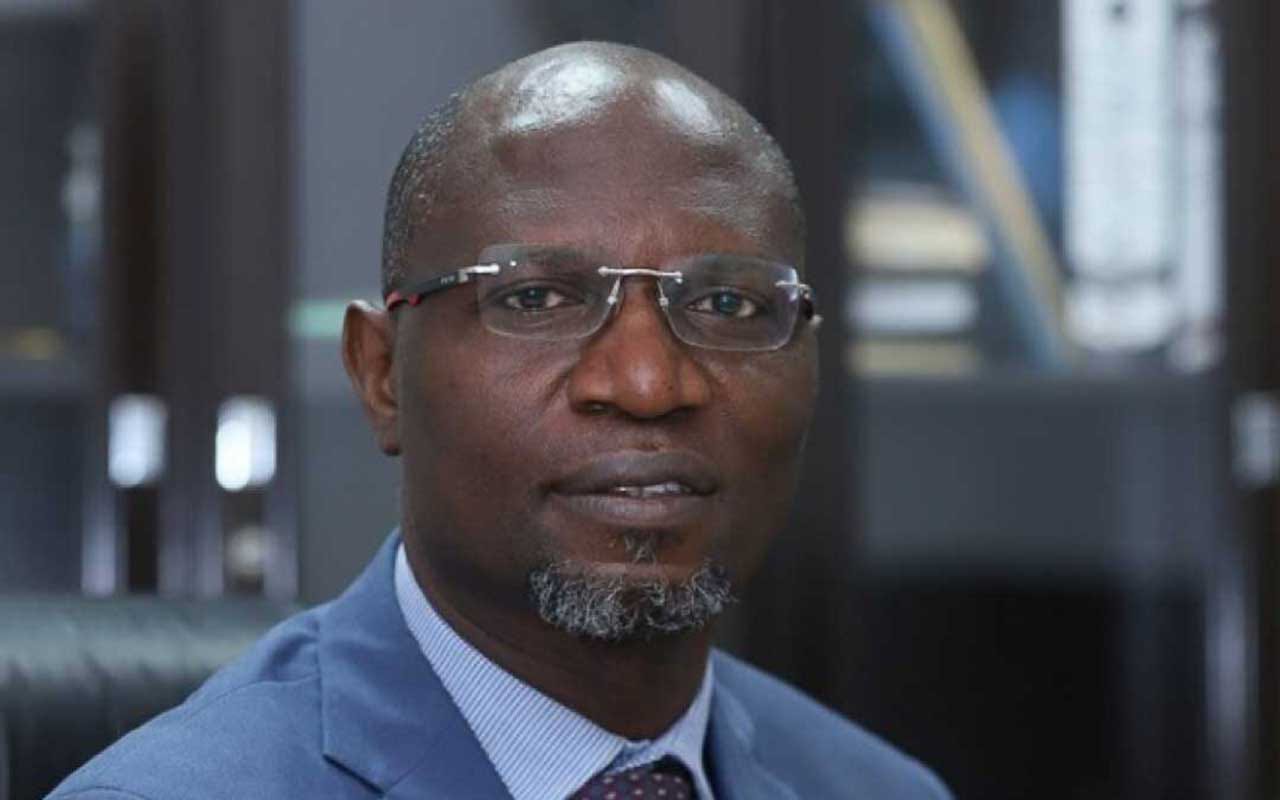
The recent call by Dr. Emomotimi Agama, Director General of Nigeria’s Securities and Exchange Commission (SEC), for a nationwide effort to bring millions of unbanked and investment-excluded Nigerians into the capital market sounds noble on paper.
The idea is to boost financial inclusion, tap into untapped economic energy, and drive national growth by getting more people to invest in stocks, bonds, and other financial instruments. But let’s pause and think this through. While financial inclusion is a worthy goal, pushing millions of Nigerians, many of whom lack basic financial literacy or economic stability, into the volatile world of capital markets could do more harm than good. Here’s why.
First, let’s talk about the reality for most Nigerians. The majority of the population, especially those in the informal sector, live hand-to-mouth. I remember a conversation with a market trader in Lagos last year. She told me she barely makes enough to cover her family’s daily needs after paying rent and school fees.
The idea of setting aside money to invest in stocks or mutual funds was as foreign to her as flying to the moon. Forcing people like her into capital markets without addressing their immediate economic challenges, unstable incomes, lack of savings, and rising inflation is like asking someone to run a marathon before they’ve learned to walk. Financial inclusion should start with accessible banking, affordable credit, and basic financial education, not a leap into the high-stakes world of investments where losses can wipe out hard-earned money.
Also see: Enekwechi Sets a New African Record in The Men’s Shot Put
Second, the capital market isn’t a magical fix for Nigeria’s economic woes. Agama’s vision paints it as a golden ticket to wealth creation, but markets are inherently risky. In 2008, Nigeria’s stock market crashed, and countless retail investors, many of whom were lured by promises of quick wealth, lost their life savings. My uncle was one of them.
He invested his retirement savings in bank stocks after hearing they were safe. When the market tanked, he was left with nothing but regret. The SEC’s push for broader participation glosses over these risks, especially for people who can’t afford to lose. Without robust investor education and protections, this drive could lead to a repeat of past disasters, eroding trust in the financial system rather than building it.
Third, the call for collaboration among regulators, asset managers, and policymakers sounds good, but it sidesteps a glaring issue: Nigeria’s capital market isn’t exactly a beacon of trust. From insider trading scandals to Ponzi schemes masquerading as investment opportunities, the market has a history of leaving small investors burned. Just last year, a friend of mine was duped into a guaranteed return scheme that vanished overnight.
The SEC’s own data shows that only a tiny fraction of Nigerians participate in the market, and that’s not just because of exclusion, it’s because many don’t trust it. Instead of pushing for mass participation, the SEC should focus on cleaning up the market, enforcing transparency, and cracking down on fraud. Trust is earned, not mandated.
Moreover, the emphasis on capital market participation ignores deeper structural issues. Nigeria’s economy is plagued by unemployment, power outages, and a reliance on oil revenue. Encouraging people to invest in a market tied to such an unstable economy is like building a house on quicksand.
The SEC’s vision assumes a stable, growing market, but without addressing these macroeconomic challenges, it’s setting up ordinary Nigerians for disappointment. Financial inclusion should mean empowering people to save, plan, and grow wealth securely, not gambling on a market that even seasoned investors struggle to navigate.
Finally, let’s consider the role of digital platforms, which Agama and others tout as a way to democratize access. While technology can help, it’s not a silver bullet. Many Nigerians lack reliable internet or the tech know-how to use investment apps safely.
And let’s not forget the rise of fintech scams, fake apps, and fraudulent investment platforms that prey on the digitally naive. Rushing to onboard millions without addressing these gaps risks exposing vulnerable people to exploitation.
In short, the SEC’s push for mass capital market participation is mal-intentioned and dangerously premature. Nigeria needs a stronger foundation, better financial education, a more stable economy, and a trustworthy market, before asking its citizens to dive into investments.
Instead of chasing grandiose visions of untapped economic energy, let’s focus on practical steps: teaching people to save, ensuring markets are fair, and building an economy where ordinary Nigerians can thrive without risking it all. That’s the real path to financial inclusion, and it’s worth getting right.
