

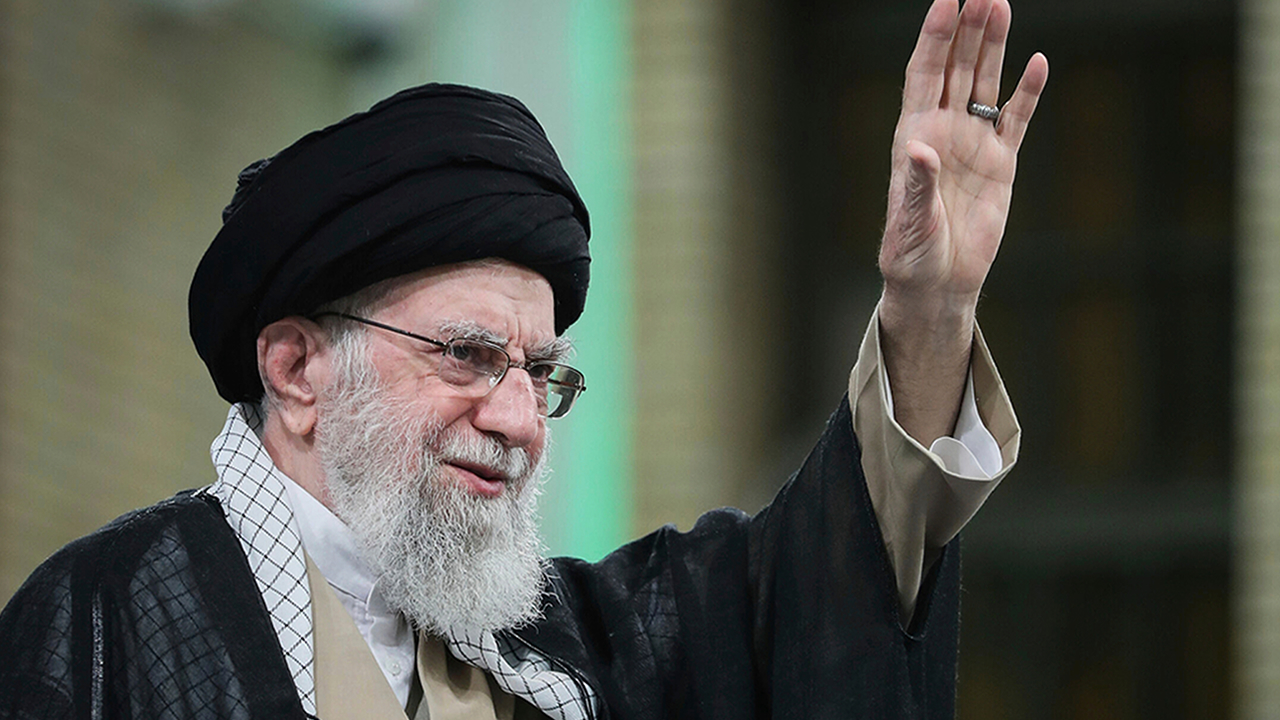
For large parts of humanity, that announcement landed not like a death in the family, but like news of an enemy’s fall but the deepest divide isn’t between Tehran and the West. It runs through the heart of the Muslim world itself.
For the majority of Sunni Muslims, from the palaces of the Gulf to the crowded markets of Kano in northern Nigeria, Khamenei was no figure of veneration. He was something closer to the devil made flesh. This wasn’t just political rivalry; it was a wound with ancient roots, theological and psychological.
So let’s not pretend at universal grief. The weeping in Tehran was real enough, but it was the grief of a particular tribe. This brings us to the harder question, the one about power and change and what happens when a people live under a regime they didn’t choose.
History teaches a hard lesson here. When a people rise up on their own, when they tear down a tyrant from within, the men who emerge from that fire are built differently. They understand the tangled web of tribe and faction because they grew up inside it.
Their authority is earned in blood and struggle, not handed over at an embassy gate. Think of Atatürk rising from the ashes of empire, or Lee Kuan Yew forging a nation from a fragile island. They could hold competing forces in check because everyone knew they answered to no foreign master. The nation bent to their will, but it bent as one.
Now imagine the opposite regime change brought in from outside. The new leader isn’t a strongman forged in his people’s struggle; he’s a generalissimo whose real boss lives in Washington. From day one, he’s seen as a proxy. The country doesn’t unite; it fragments into a low-grade civil war fought for the attention and favour of the foreign power. The result isn’t stability. It’s managed chaos, and the only winner is the outsider who pulled the strings.
This is the uncomfortable place where Iran sits. Yes, the regime is oppressive. The morality police patrol the streets, the courts hand down harsh sentences, the economy is a wreck of corruption and mismanagement. The people live in a cage of dogma and fear. Yet, if millions of citizens cannot find the will or the unity to break those bars themselves, what business does an outsider have doing it for them?
If the factions inside; reformers, hardliners, monarchists, ethnic minorities, are so paralysed by distrust that they can’t even coordinate to seek help against a common enemy, then maybe there’s a grim logic to letting things stand. It’s the oldest wisdom in politics: the devil you know is better than the devil you don’t know.
Also see: Wobodo Unveils ‘Budget of Service, Renewed Hope’ For Ikwerre
But here’s the contradiction Iran can’t escape. The regime brought this on itself. Rigidity in a world that keeps moving is a slow suicide note. You cannot keep citizens in shackles forever once they know what freedom looks like. That knowledge seeps in through satellite dishes hidden under chadors, through forbidden internet connections, through whispered stories from relatives who have seen the outside.
A population that is educated, that is connected, that can measure its own stunted existence against the flawed but open world beyond, such a population cannot be treated like sheep forever. The deal tyranny offers — stability and meaning in exchange for obedience — falls apart the moment people realise the stability was always an illusion and the meaning just a cage.
Today, there are Iranians who would celebrate the regime’s fall. They aren’t CIA plants or Mossad agents. They are the children of the revolution itself, young people for whom 1979 is ancient history, for whom the regime’s theology feels like an irrelevant imposition. What they want is simple and fierce: to dance, to love, to think, to simply exist without asking permission.
Their joy wouldn’t be about destruction. It would be about hope. They see the Islamic Republic not as something sacred, but as a decaying prison. When it finally falls, if it falls, they won’t shed crocodile tears. They will breathe, for the first time, the air of an uncertain dawn.
Abdullahi Hamza
